

How do you create an online 7 differences game?

How do you create an online 7 differences game?

Who hasn’t heard of the game of differences? This game involves finding the details that change from one image to another. In the marketing version, players who manage to spot the differences can be rewarded with attractive prizes (goodies, discount vouchers and other gifts) in a prize draw.

Creating a game of 7 differences online is an asset for brands wishing to run differentiating campaigns and capture the attention of a large audience. It is a lever for engagement and loyalty. Thanks to its visual appeal, the difference game is an effective way of promoting products and services.

In this article, we share the 6 steps you need to follow to create an impactful 7 differences game and achieve your objectives. Using concrete examples, you can find inspiration for personalising your mechanics and making them attractive!

What are the objectives of an online 7 differences game?

The Difference Game is an effective game that involves finding the differences between two apparently identical images. Accessible to all and easy to customise, it can be made more or less difficult by increasing the number of differences or reducing the time allowed. To make this marketing game interesting, rewards are offered to participants who succeed in finding the differences.


Versatile and original, the 7 differences game enables retailers to target several strategic commercial objectives:

Increase brand awareness and visibility

This format is an excellent marketing tool, as well as being a fun and engaging game. It can help the brand to raise its profile by reinforcing the association between certain images and the brand. The game can be shared on social networks to increase the brand’s visibility among potential new customers.

Example: Showroomprivé’s campaign in partnership with Disneyland Paris aimed to raise the profile of the theme park. But also to engage visitors to the marketplace with a fun game mechanic. The 7 different games captivated the audience, with an average of 2.2 games per subscriber.

The aim of the campaign was to increase the appeal of travel and leisure offers. At the same time, it boosted sales of Disneyland Paris tickets on Showroomprivé.com. By offering attractive prizes (such as free tickets), the company succeeded in attracting 109,000 new subscribers to the campaign.
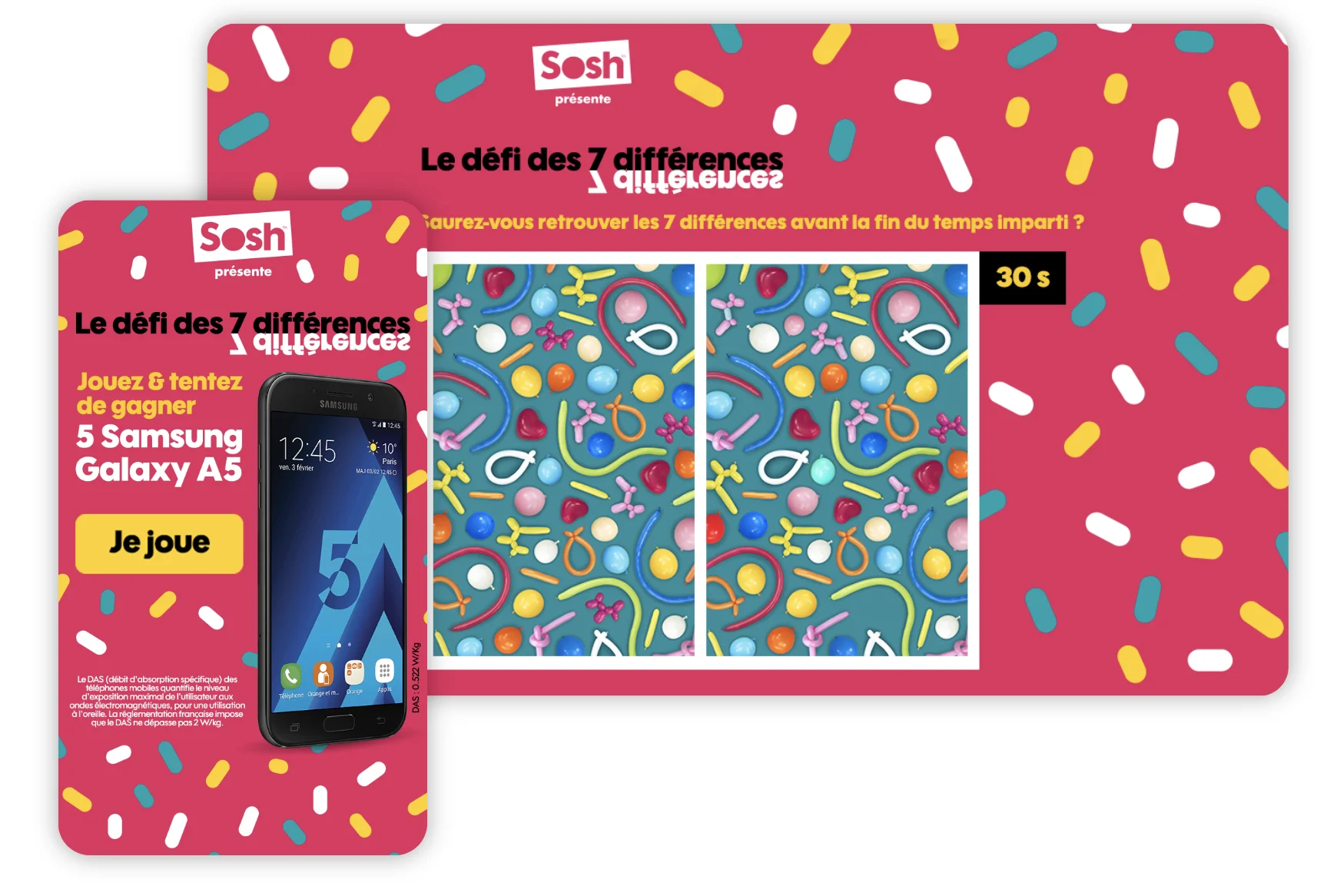
SOSH - 7 differences game
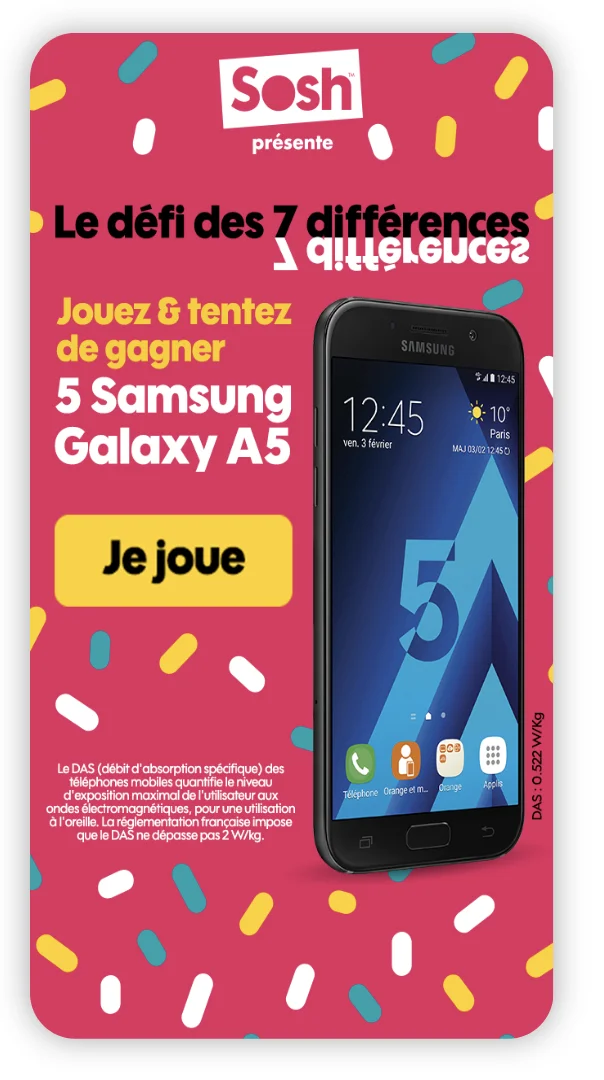
SOSH - 7 differences mobile game

Boost consumer engagement and generate new leads

The 7 differences game is ideal for multiplying the points of contact with prospects and maximising the time they spend with the brand. It can be added to a web page, a mobile application, or on social networks via a url to increase user engagement and generate new leads and sales.

Example: Sosh launched a campaign based around a game of 7 differences to attract new qualified leads and further engage its prospects. This interactive format enabled visitors to discover the world of the Sosh brand, its products and its advantages.

The campaign aimed to generate qualified traffic to the Sosh website by highlighting the brand’s offers. Players could win Sosh smartphones. As a result, this co-branding game enabled the two brands to generate 61K new leads and strengthen their relationship with them. Participants played an average of 3 games.
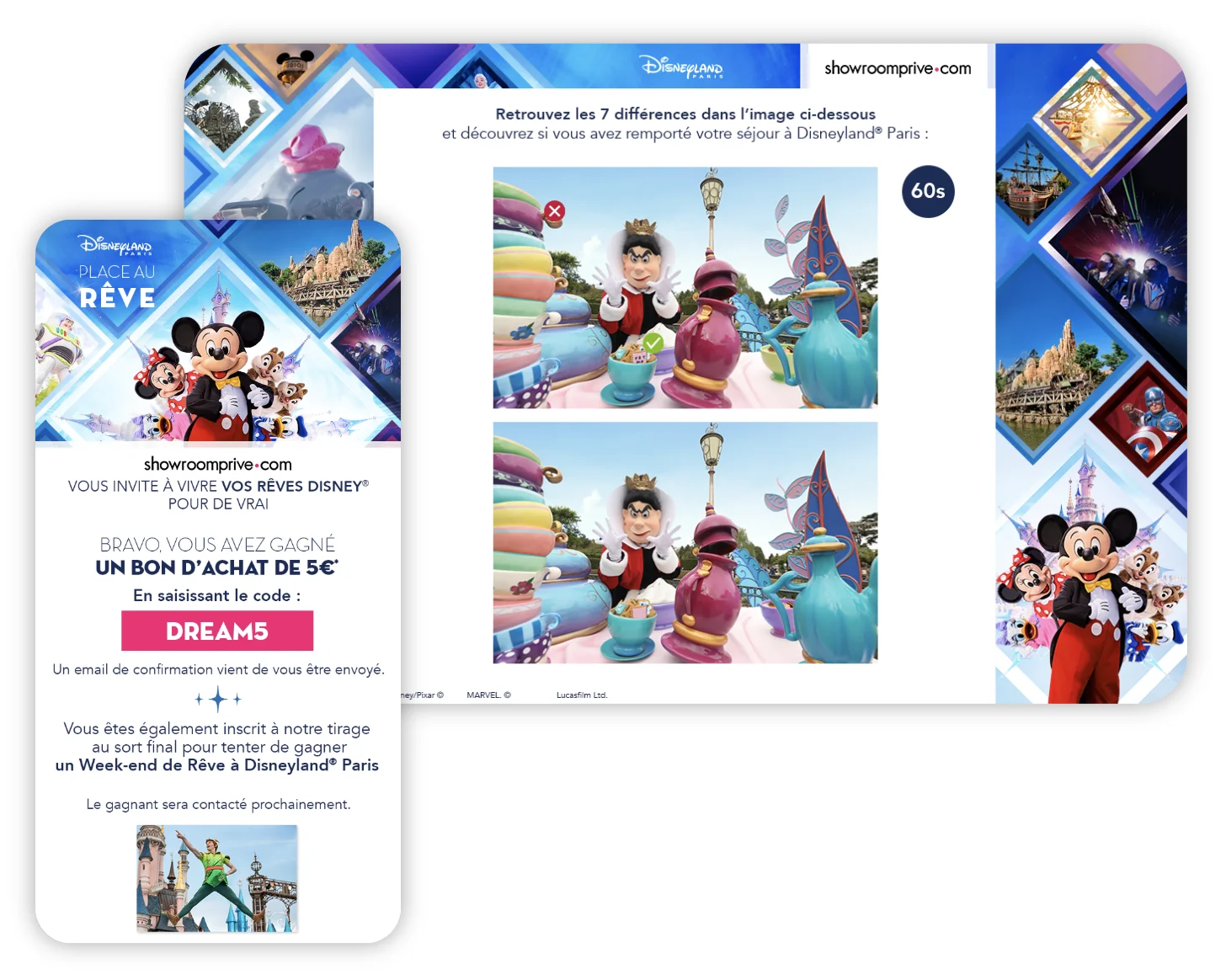
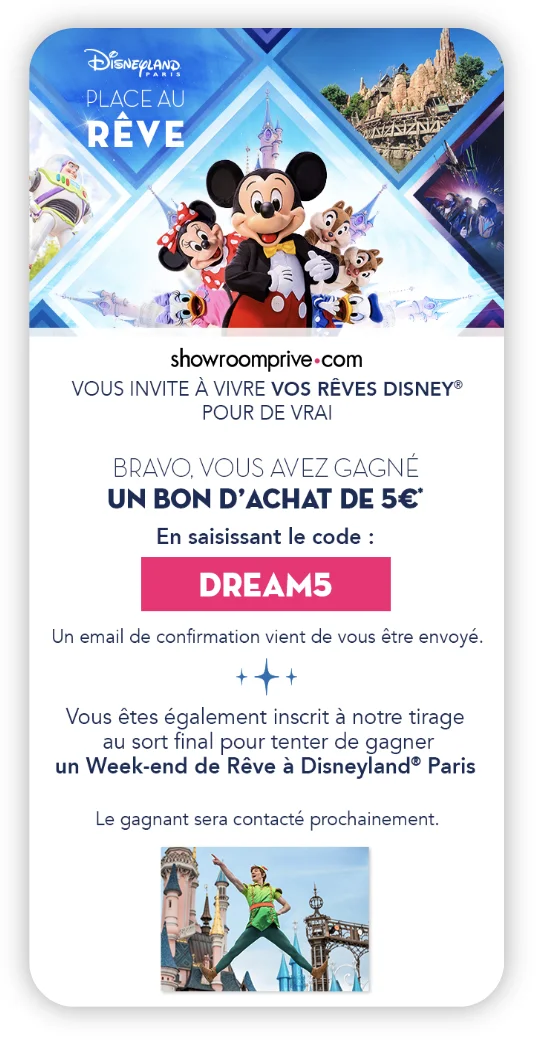
showroomprivé disneyland - 7 differences game
7 differences game-mobile<br />

Our tips for configuring and distributing a 7 differences game

To maximise the reach and impact of your 7 differences game online, here are the steps to follow:

1. How to set up the players’ route?

Once the Game of Differences mechanic has been selected, the brand configures its game path. The Game of Differences template consists of 4 pages:

  • A form (to collect customer data)
  • The Difference Game
  • A Results page (indicating whether the player has won or lost, either immediately after the game or following a draw)
  • An end-of-campaign page

You can complete the game experience by adding a home page (to share the rules of the game or contextualise the campaign) and a teaser page (to <a href=”https://www.adictiz.com/blog/5-actions-marketing-pour-captiver-vos-audiences-a-la-rentree/
“>capture players’ attention and boost engagement).

2. Is it worth personalising the 7 differences game?

The whole point of this marketing game is to immerse participants in the world of the brand. The 7 differences game needs to be customised by adding a background image and the tables containing the differences. You can also customise the ‘success’ and ‘error’ icons and the game’s loading bar.

3. How do you set up the marketing game mechanics?

Depending on the objectives, the brand will set its mechanics in detail. Thanks to our difference game generator, they can choose :

  • The number of participations (per day, week, month or campaign and per user). To maximise the time spent with the brand and strengthen the relationship with players. It is advisable not to activate limited participation in order to be able to play several times.
  • Scoring: based on the differences found (7 differences found = 7 points) or the errors made (the score will be based on the time remaining, the length of the game, the differences found and the number of errors).
  • Whether or not to time the game (to add difficulty)
  • Displaying the results, so that users can find out if they have won.

4. How to select attractive endowments?

The impact of the 7 differences game will be all the greater if the prizes are attractive: in these examples, the results are due to the appeal of the mechanics, but also to the prizes to be won (smartphones, free admission to an amusement park).
Gamification and endowment
endowment gamification guide

5. Can the mechanics be tested and adapted to all channels?

The Game of 7 Differences is a visual mechanic, which requires a good display (whatever the device) to work. The player needs to be able to see the image (without having to scroll) to detect the differences.

It’s important to distinguish between desktop and mobile animation. In the mobile version, the picture is 60% resized and cropped on the sides. Users will have to scroll sideways to see the whole image. It’s a good idea to provide an “instructions” page before launching the game, to explain its parameters.

6. What methods should you use to boost the visibility of your campaign?

Once the desktop and mobile versions have been finalized, you’ll need to share them with your audience. To maximize the reach of your campaign, it’s advisable to choose the right channels for your audience (social networks to reach new leads, your website or emailing to engage and retain existing customers).

It’s also possible to boost the visibility of the mechanics via an upstream teasing campaign. Thanks to ads options on social networks or by configuring a personalized emailing suite for each segment.

Conclusion

Would you like to boost your brand’s visibility and generate new leads with an online 7 differences game? Adictiz can help you create your visuals, set up your marketing game and publicize it on your communication channels!

In 30 minutes, we show you how to launch your own high-performance interactive marketing campaign

Instant win competitions: 6 original marketing examples

Instant win competitions: 6 original marketing examples

De toutes les mécaniques de gamification à la disposition des entreprises, les instants gagnants sont parmi les plus efficaces. Si les jeux marketing sont puissants pour engager son audience, c’est parce qu’ils permettent de faire gagner des dotations attractives. Et avec des jeux concours instants gagnants, la récompenses est immédiate !

Ce format de marketing peut être utilisé à toutes les étapes du parcours client afin de permettre aux marques d’engager et de fidéliser les consommateurs. Pour profiter du potentiel des Instants Gagnants, nous présentons les objectifs que les entreprises peuvent viser. Pour ces objectifs, nous vous partageons des exemples de campagnes de jeux concours instants gagnants inspirantes. 

What is an instant win competition?

Largement adopté pour stimuler l’engagement d’une campagne, l’Instant Gagnant offre la possibilité de remporter des cadeaux instantanément. On le distingue d’un autre jeu comme le tirage au sort, pour lequel il faudra attendre avant de découvrir les gagnants. 

Il est possible de combiner les deux en ajoutant un tirage au sort en étape finale du parcours de l’Instant Gagnant. Ainsi, les joueurs qui ont remporté une dotation peuvent participer à un tirage au sort complémentaire et tenter de gagner des cadeaux d’une valeur plus importante (comme un voyage). 

En fonction de son univers de marque et de l’objectif de sa campagne, la marque peut opter pour différents types de jeux concours Instants Gagnants. Elle aura le choix entre : 

  • La Roue de la Chance. Les participants peuvent tourner la roue et tenter de remporter un cadeau ou un code promo.
  • Le jeu grattage. Dans cette mécanique simple et rapide, il suffit de gratter un visuel pour découvrir le gain. Entièrement personnalisables, les jeux à gratter permettent d’intégrer des éléments de son univers de marque ou de s’adapter à un temps fort (comme Noël ou la Saint Valentin). 
  • La machine à sous (ou Bandit Manchot). Inspiré des jeux de casino, cet Instant Gagnant consiste à aligner plusieurs symboles. Il permet de distribuer des cadeaux à son audience. 
  • Mais aussi la Pinata, le Shuffler, le Grappin, le Click & Win ou encore le Flip & Win

Why launch instant win competitions?

Instant Win offers companies a highly effective way of increasing visibility and engagement. Here are the 3 main reasons for organising a campaign of this type.

1. Engaging your audience

The first advantage of Instant Win is that it makes you want to take part, since you know immediately whether you’ve won or not. For the brand that organises it, the operation of this interactive mechanism is simple. Instant Win works by time slots designated as “winning”. All yuo have to do is enter at the right time to win a gift. Outside these time slots, all participants lose out (or can win a promotional codes in the case of 100% winning instant games).

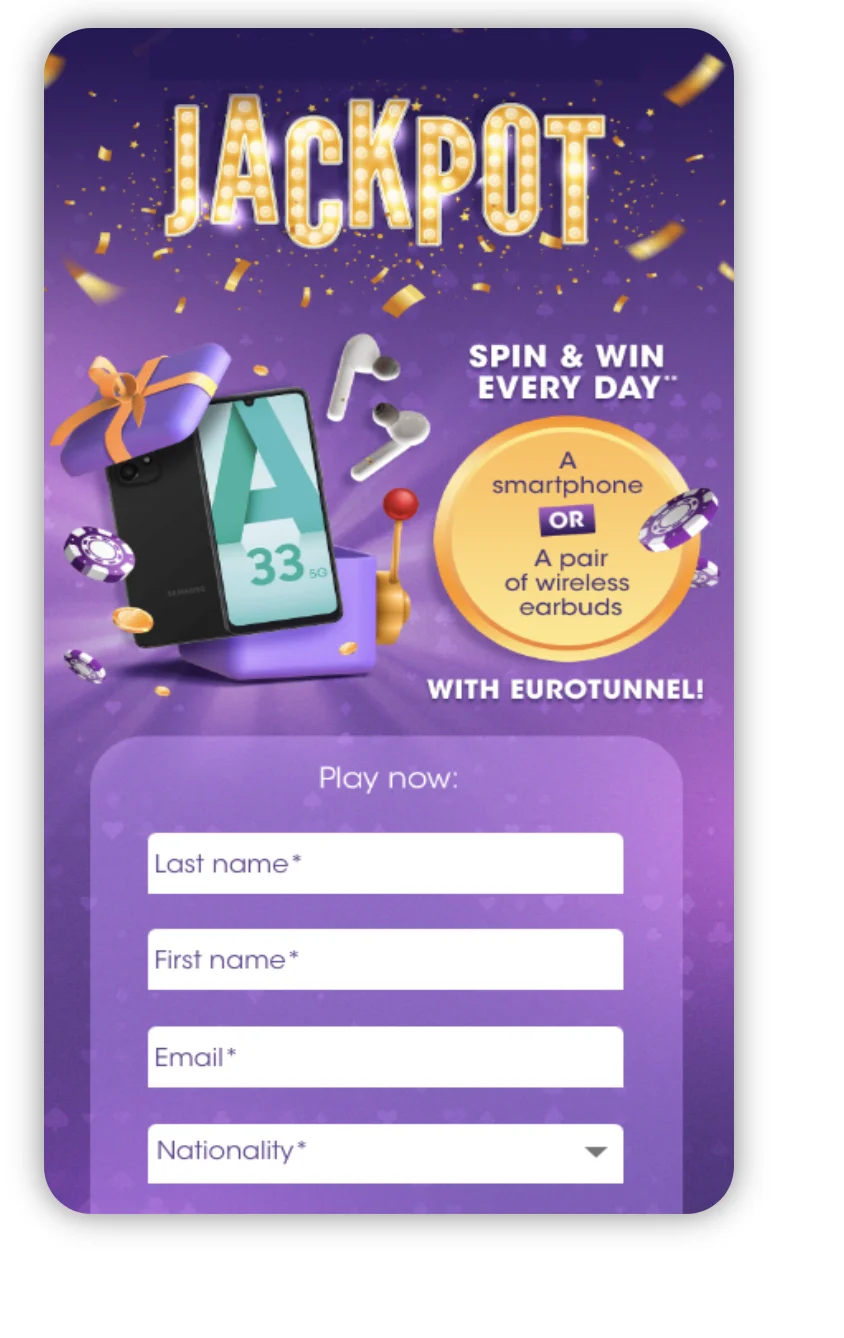
Eurotunnel’s Jackpot campaign

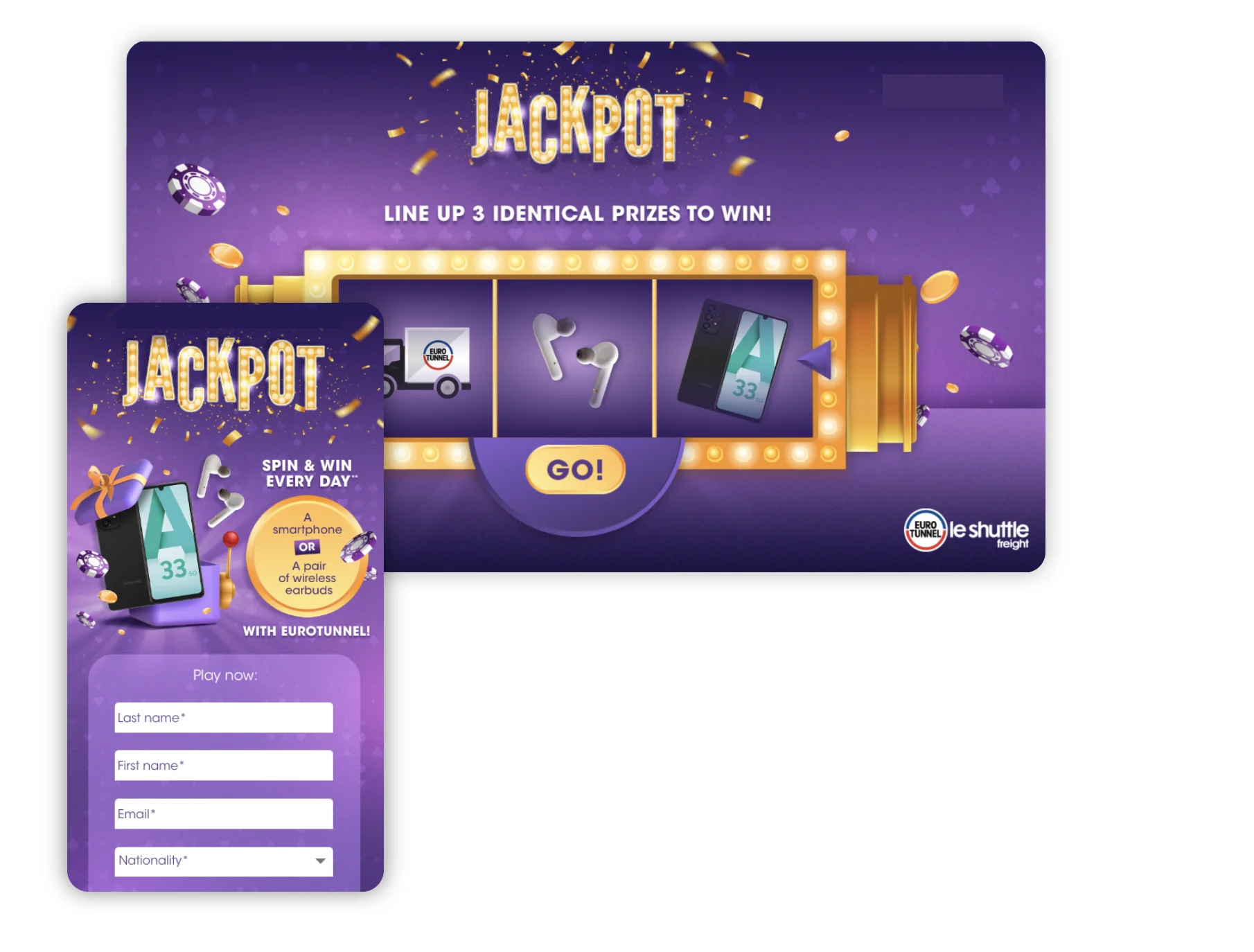
To capture quality leads, Eurotunnel offered its public a captivating game. The jackpot (or One-Armed Bandit) enabled the company that manages the tunnel to strengthen its communications with transport operators. Carriers had to download a Transport Ticket Number (TTN) to take part.

Thanks to this popular mechanism and attractive prizes (smartphone, headphones, bluetooth), Eurotunnel registered more than 29k games.

Eurotunnel - Instant win competitions
Eurotunnel - jackpot

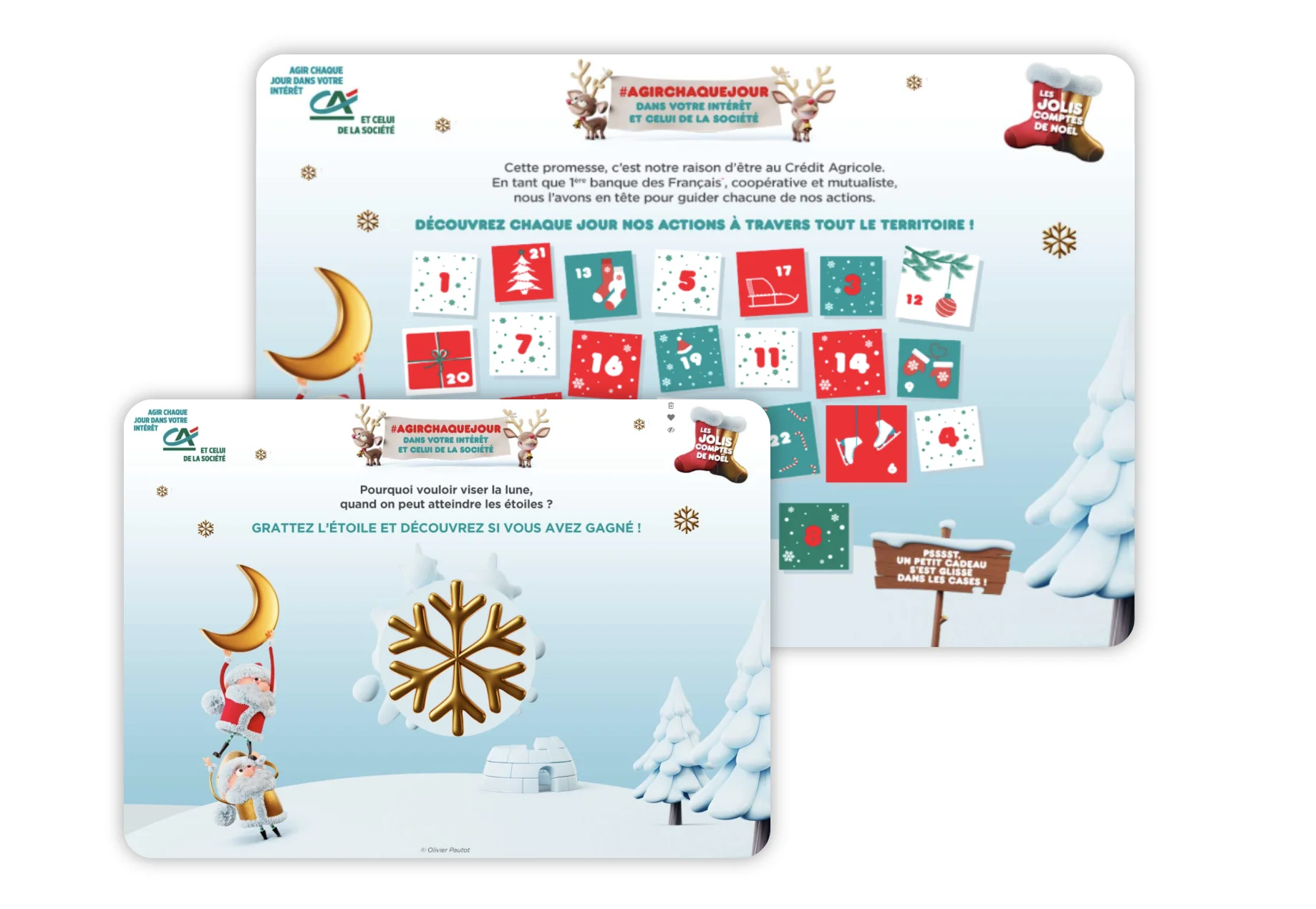
Crédit Agricole’s pretty Christmas accounts

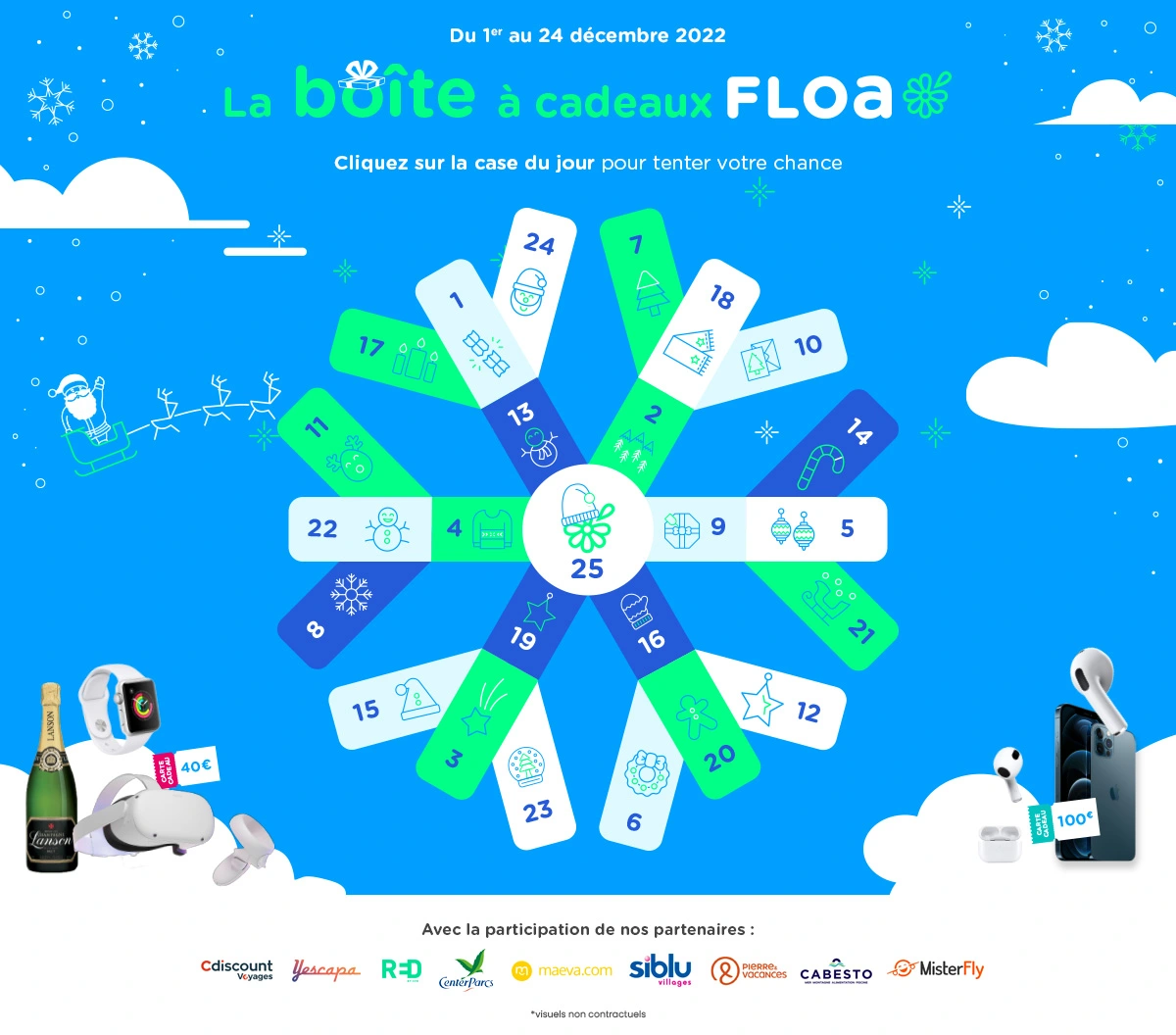
With its “Pretty Christmas accounts” campaign, Crédit Agricole immersed its audience in the spirit of the festive season. Each day, the advent calendar unveiled content highlighting its solidarity initiatives. More than a communications operation, this Instant Win game was designed to engage the community. This format, adaptable to the Regional Banks, enabled Crédit Agricole to strengthen its local roots.

The result: over 10,000 new subscribers to the brand’s mailing list and an opt-in rate of 40%.

Crédit Agricole - instant win competitions

2. Organise instant win competitions to generate leads

Creating an Instant Win competition is a great way of collecting leads. You can ask people to fill in a form before launching the wheel of chanceor cracking a digital pinata. Collecting first-party data (shared by users) will be easier. The brand will be able to refine its customer knowledge and understand the consumption habits of each individual.

Sensation Crispy de Lindt

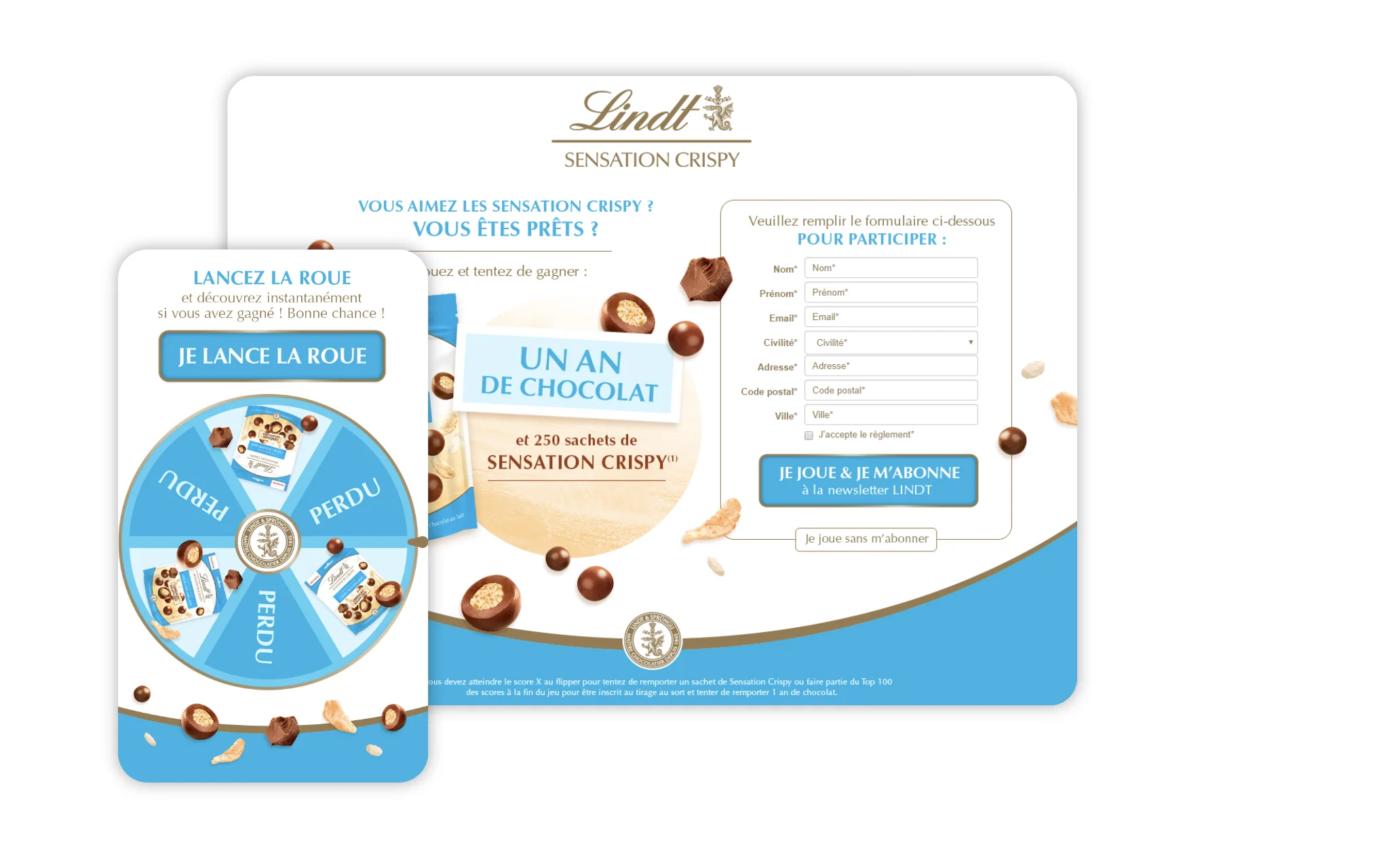
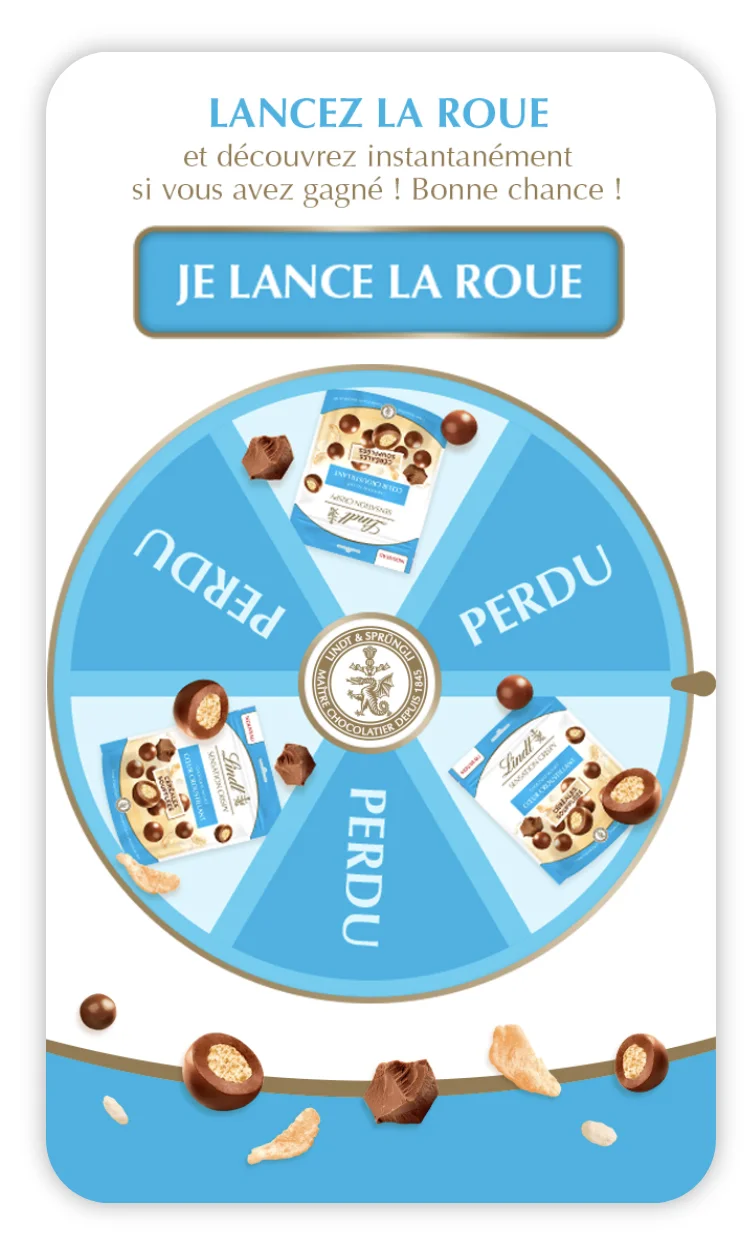
Following the RGPD announcements, Lindt put in place an annual strategy to recruit new leads and build its base through gaing. This approach, based on marketing chestnuts and product highlights, took shape with the Sensation Cripy campaigns.

The aim was to recruit opt-in leads and promote the product via two engaging mechanics; the Wheel of Chance and Pinball. The campaign exceeded 15,000 leads and achieved a particularly high opt-in rate of 62%.

Lindt - online wheel of fortune
Lindt - mobile wheel

The Speedy Advent Calendar

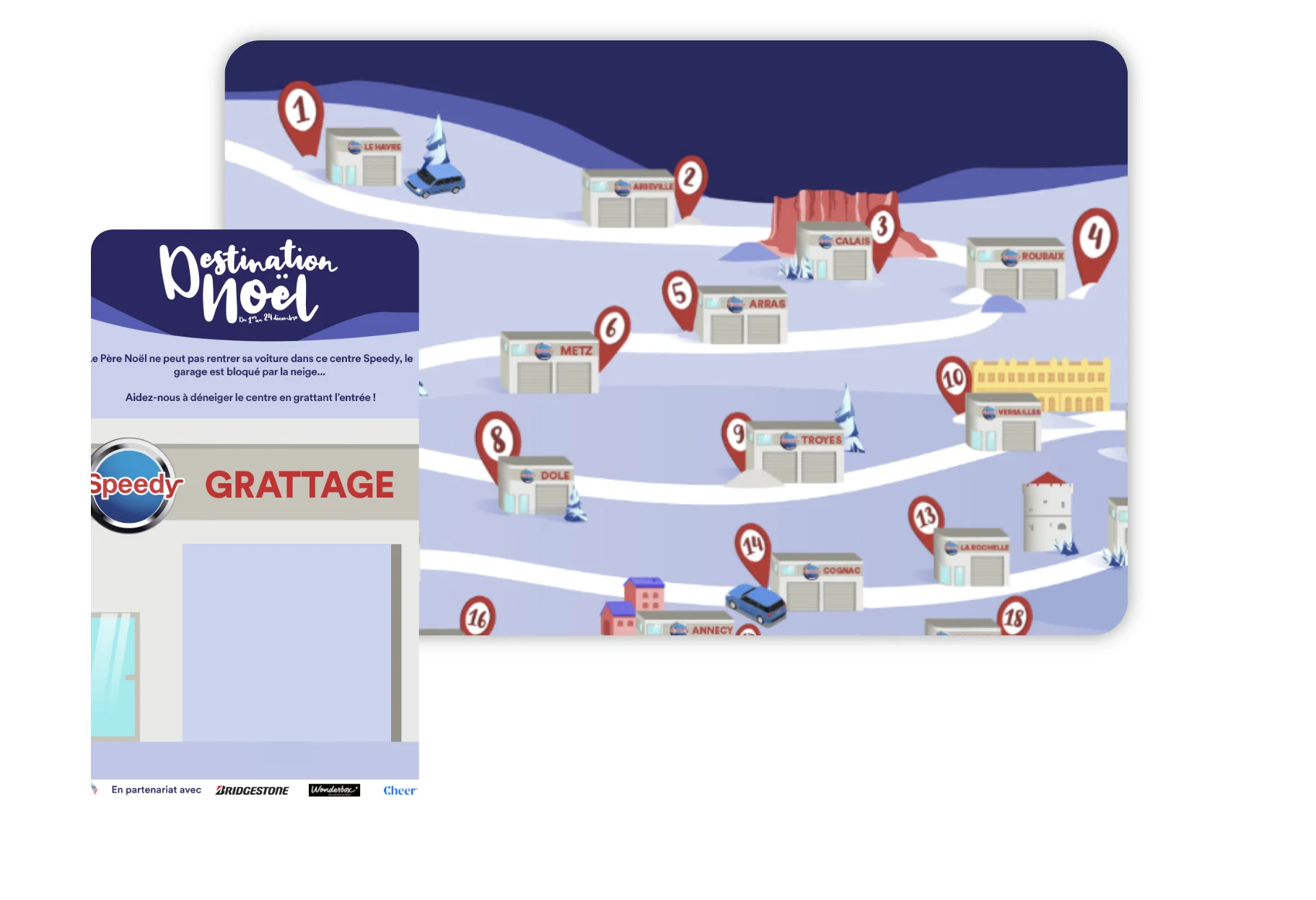
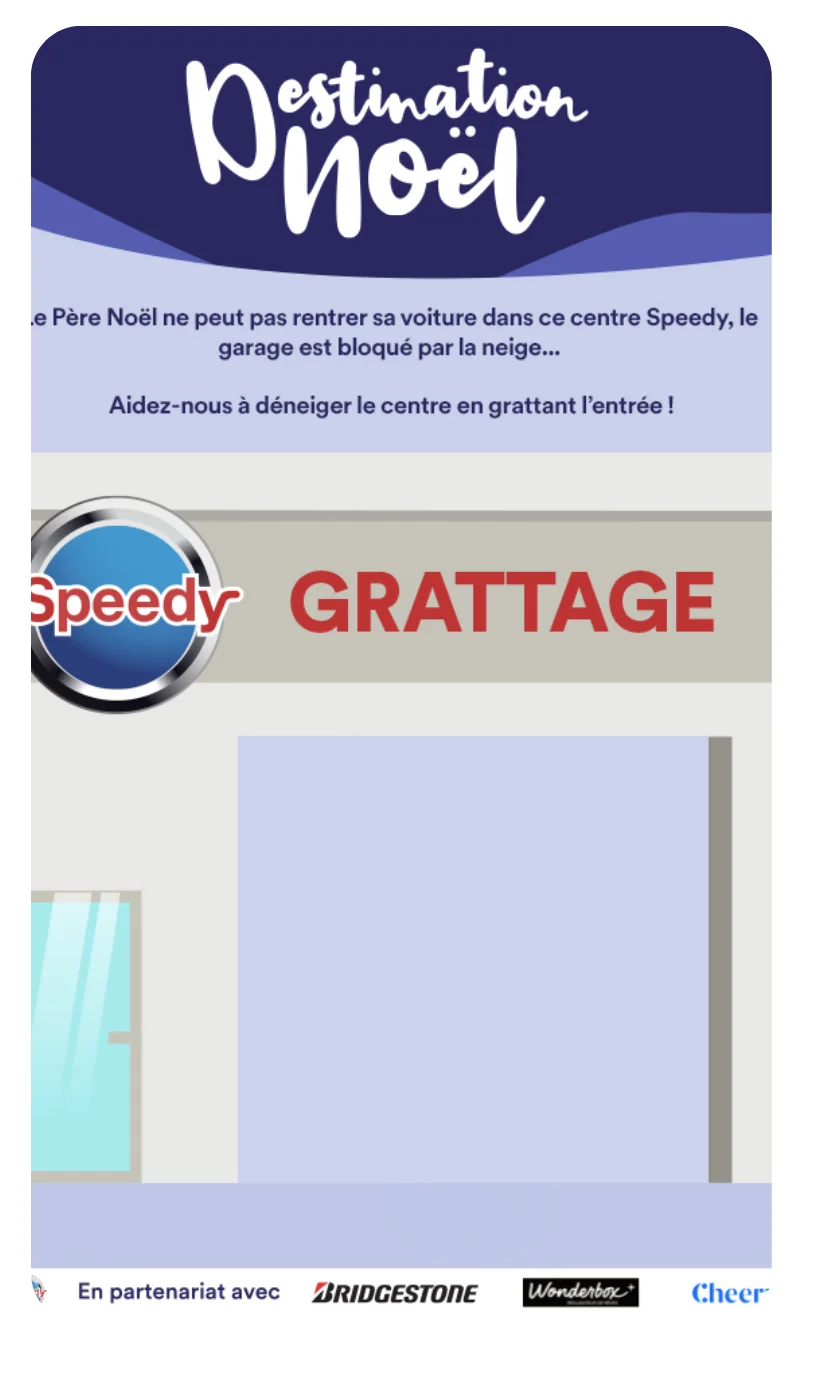
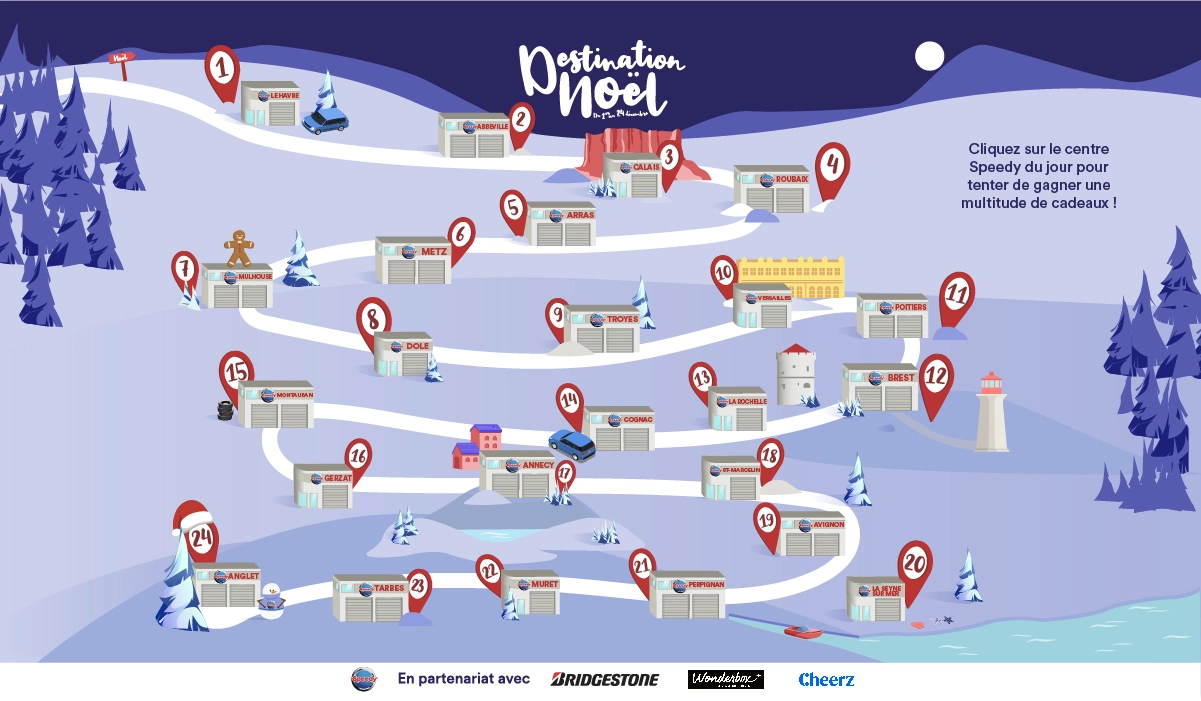
For Christmas, Speedy launched an Advent Calendar aimed at engaging its audience and recruiting leads. The campaign was a great success, with 37k registrations and high engagement, reaching an average of 7.6 games palyed per participant. This operation provided excellent visibility during a crucial sales period, the festive season.

Speedy - instant win competitions
Speedy - scratch game

3. Boost your conversion rate with instant win competitions

Instant win competitions are ideal for companies looking to increase their conversion rate or build customer loyalty.
By awarding promotional codes to the winners, brands can stimulate engagement, encouraging people to visit the website and make pruchases. In this way, they can encourage an increase in their sales and a better conversion.

Showroomprivé Crazy days

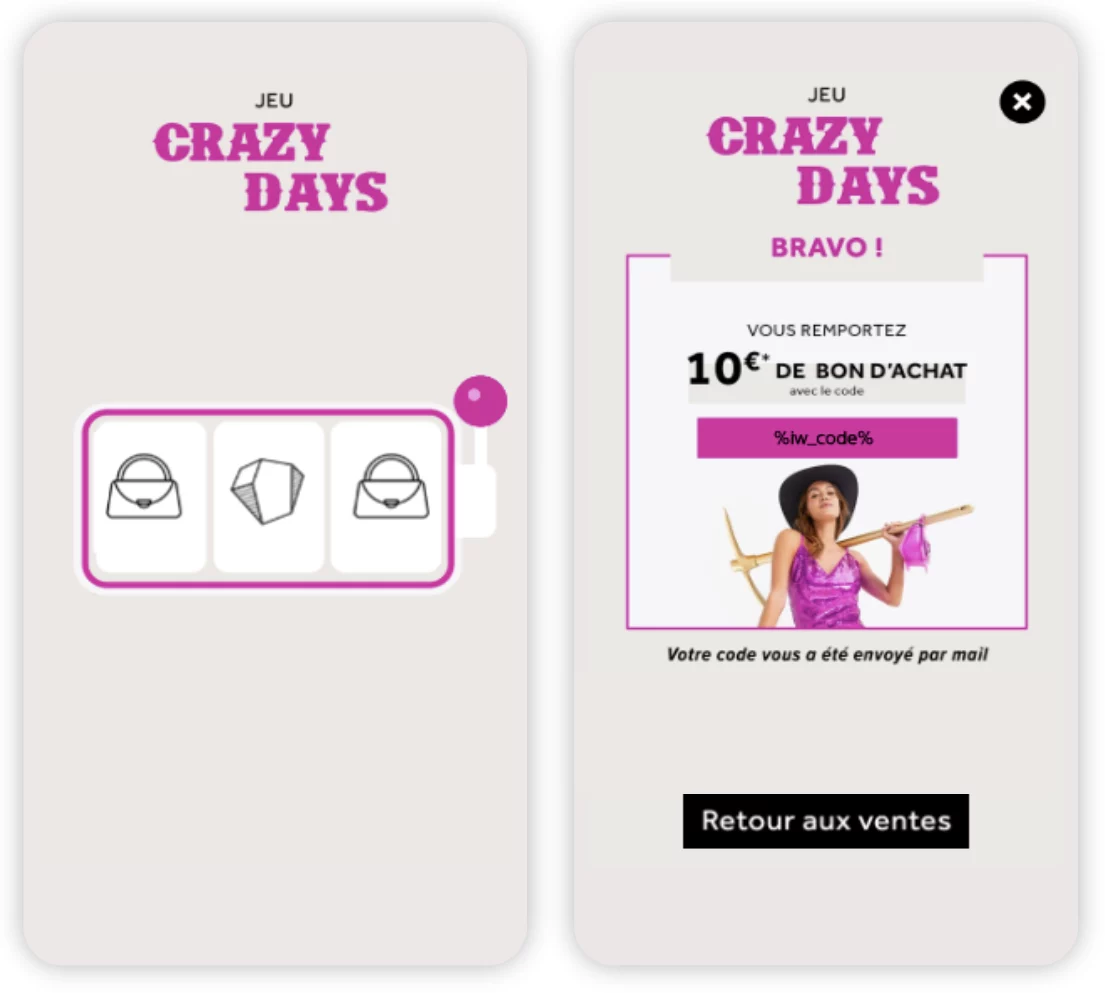
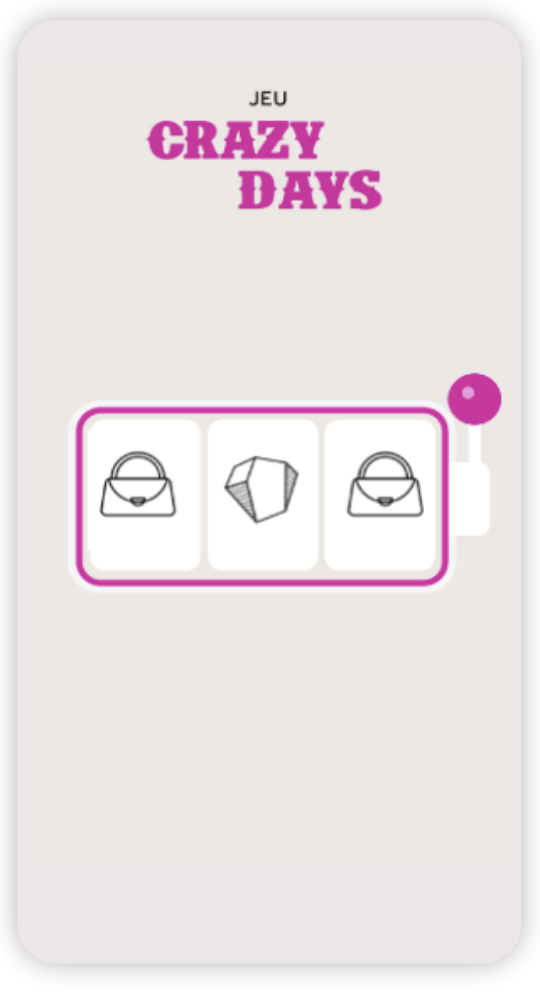
The Crazy Days campaign enabled Showroomprivé to attract customers who responded to the game, while giving the bradn high visibility (with a 76% participation rate) during the sales period. The Instant Win, a one-armed bandit, was used as a sales generator, to stimulate conversion through the distribution of shopping vouchers.

Showroomprivé - Crazy Days sales
Showroomprivé - Crazy Days

BZB Game Center

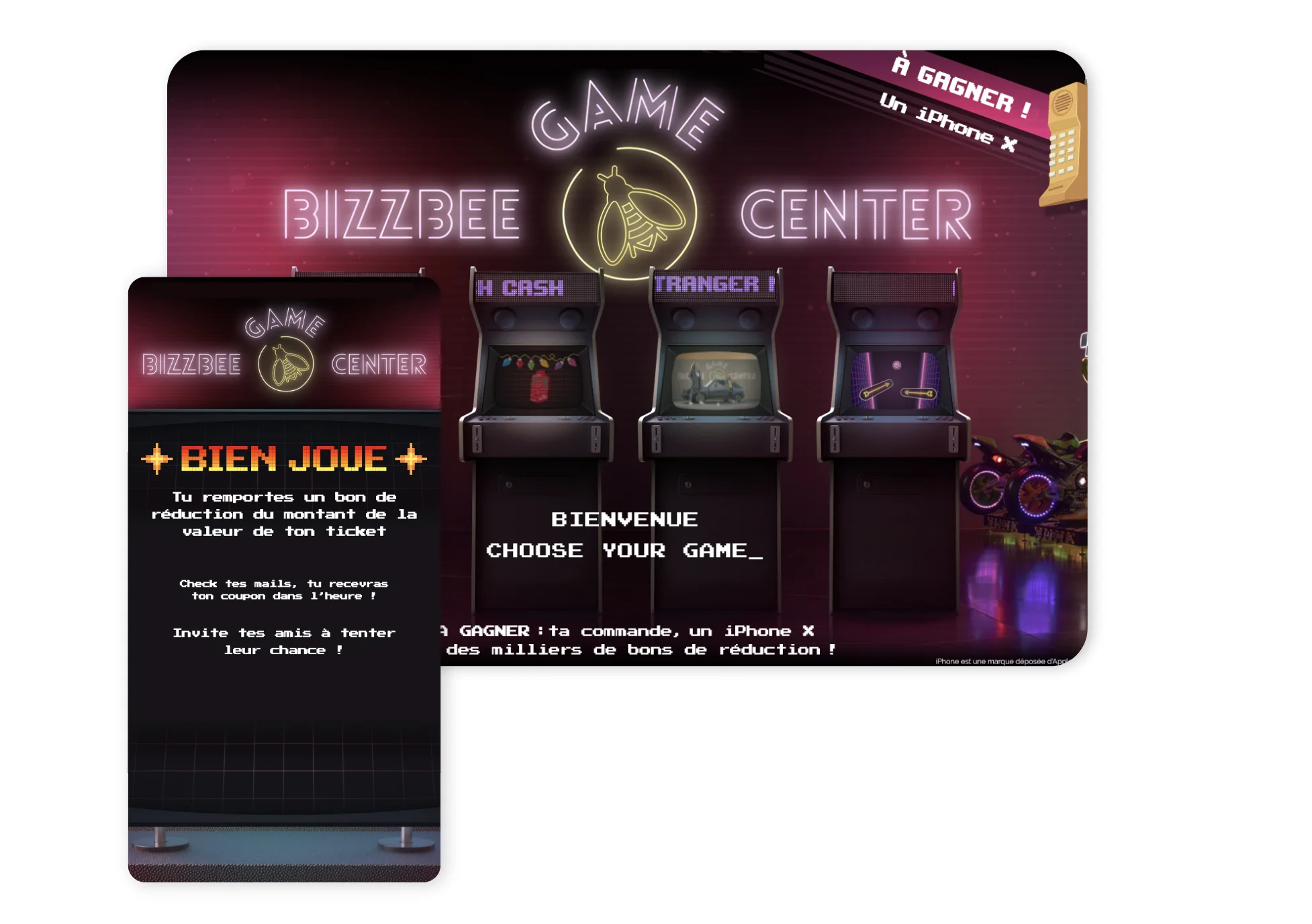
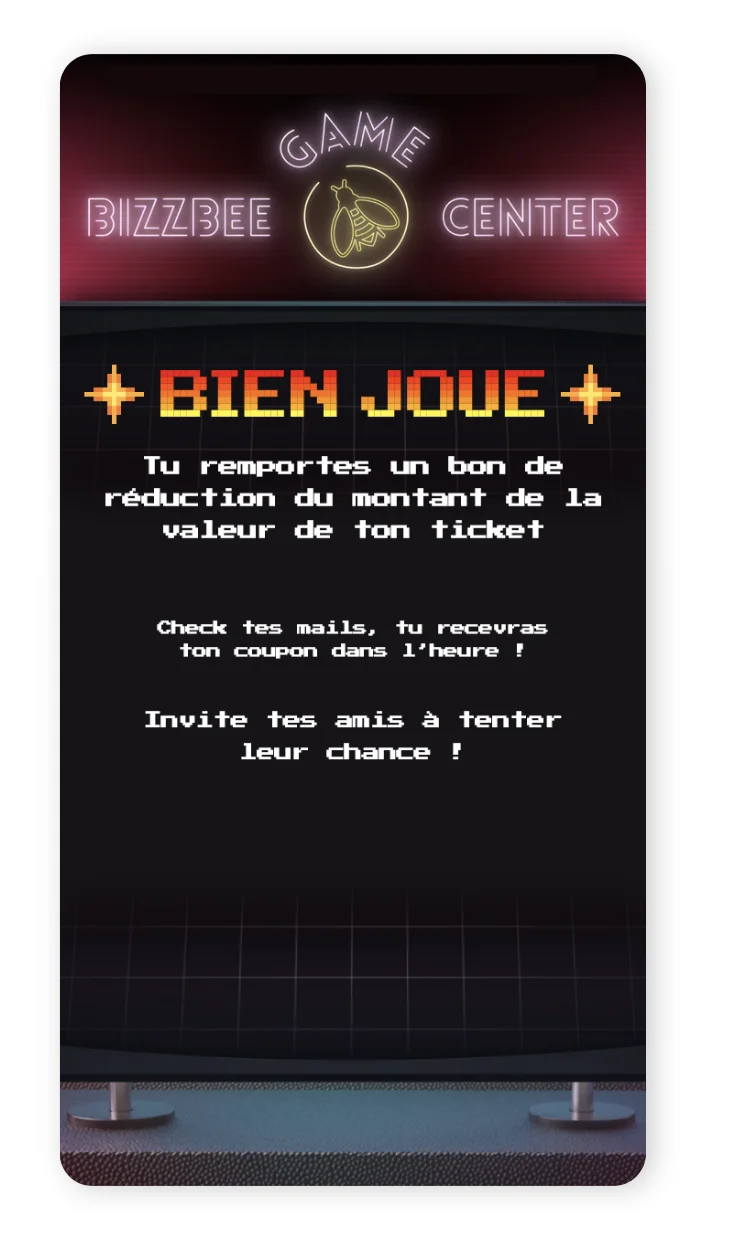
Thanks to an engaging multi-mechanical system, Bizzbee offers an immersion into the world of gaming. After each game, users receive a voucher, boosting sales over the festiv period (with a conversion rate of 2.4%). An integrated conversion pixel monitored the performance of the interactive campaign in real time, continuously optimising its effectiveness.

BZB - instant win competitions<br>
BZB - game center

Conclusion

Organising an Instant Win competition is an excellent way to generate leads, engagement and conversion. Discover
our interactive mechanisms that you can customise or adapt to a specific marketing event to boost your campaigns throughout the year!

4 AdTech trends to incorporate into your marketing strategy

4 AdTech trends to incorporate into your marketing strategy

La manière dont nous communiquons en ligne ne cesse d’évoluer, notamment avec l’usage de l’AdTech. Cela vaut pour les particuliers et pour les marques, qui doivent s’adapter aux nouveaux canaux et stratégies marketing pour garder une longueur d’avance sur leurs concurrentes.

En quelques années, nous sommes passés des encarts publicitaires télévisés ultra scriptés à des campagnes marketing natives sur les réseaux sociaux, créées et portées par les consommateurs. Les marques adoptent ainsi une communication authentique et engageante en misant sur des leviers comme les jeux marketing, les challenges sur les réseaux sociaux ou encore l’UGC.

Ces stratégies marketing repose sur l’usage des nouvelles technologies publicitaires, que l’on appellent aussi AdTech. Quelles sont les tendances fortes pour optimiser la manière dont votre entreprise communique avec son audience ? Comment les intégrer à votre calendrier marketing ? Nous répondons à toutes vos questions !

What is AdTech?

Le concept d’Adtech fait référence à un éventail de technologies et solutions qui permettent à votre marque de créer et diffuser ses campagnes publicitaires. Il peut s’agir de logiciels ou de plateformes SaaS offrant différentes fonctionnalités. Mais encore d’outils plus ciblés qui se concentrent sur la personnalisation, le ciblage, ou le monitoring de vos publicités digitales.

Un très bon exemple d’AdTech est le système de header bidding. Il s’agit d’un programme informatique qui permet de gérer les enchères et de fixer le prix le plus juste entre la régie publicitaire (par exemple Google ou TikTok) et l’annonceur (comme votre marque).

4 tendances AdTech à surveiller en 2023

Le monde des AdTech évolue à vitesse grand V. Pour booster la visibilité de votre marque et maximiser son taux d’acquisition, il est crucial de garder un œil sur les nouvelles technologies publicitaires à intégrer à votre stratégie.

Voici les tendances fortes à surveiller en 2023 :

Advertising programming

La programmation publicitaire (ou programmatic advertising) consiste à automatiser l’achat et la vente d’espace publicitaire sur un large spectre de canaux de diffusion. Mais aussi pour un large choix de format display (y compris les annonces display responsive, qui s’adaptent à l’appareil de l’utilisateur).

Cette technologie permet à votre entreprise d’allouer son budget efficacement et de s’assurer que ses campagnes aboutissent au résultat attendu (nombre de clic, taux de conversion, etc.)

La programmation publicitaire devrait continuer à connaître une forte croissance ces prochaines années. En 2019, plus de 86 % des dépenses publicitaires display ont été programmées. Ce pourcentage dépassera les 91 % en 2023.

Artificial Intelligence and AdTech

L’IA prend de plus en plus de place dans le secteur de l’AdTech. Elle permet d’optimiser la segmentation, d’affiner le ciblage ou encore de personnaliser votre message en fonction des comportements de chaque consommateur.

Netflix utilise par exemple l’intelligence artificielle pour définir automatiquement parmi plusieurs choix de vignettes celle qui a le plus de chances de pousser ses utilisateurs à regarder un film ou une série.

Mobile-first advertising solutions

Les annonceurs reconnaissent de plus en plus l’importance de répondre aux besoins des consommateurs qui utilisent principalement leur mobile pour se connecter à Internet. Les entreprises de l’AD Tech développent donc des formats et stratégies spécifiques aux mobiles, notamment la publicité intégrée aux applications.

The gamification boom in AdTech

L’AdTech est de plus en plus liée au gaming en ligne. Cette connexion se fait à tous les niveaux. On assiste à un véritable boom de la publicité native dans les jeux, en particulier dans les applications de jeu gratuites. Les utilisateurs sont invités à visionner une publicité avant de pouvoir commencer ou continuer leur partie. Cette pratique est de plus en plus populaire, notamment pour les applications partenaires de la plateforme de streaming Twitch.

En parallèle, les publicités intègrent une dynamique de gamification. Les consommateurs étant exposés chaque jour à plus de 1 200 publicités, ils ont développé une forme de banner blindness (soit le fait d’ignorer les informations partagées dans les bannières publicitaires classiques).

Pour gagner la bataille de l’attention, les marques ont donc dû inventer de nouveaux formats, plus ludiques. C’est dans ce contexte que sont apparus les Playables Ads (soit littéralement la publicité jouable). Ces formats display interactifs sont en effet idéaux pour donner de la visibilité aux campagnes, renforcer les performances publicitaires et améliorer la notoriété d’une marque.

Concrètement, la playable ad est donc un mini-jeu qui va s’exécuter pendant quelques secondes. Ce format est devenu si populaire qu’il ne se limite aujourd’hui plus aux applications de jeu mais aussi aux marques généralistes. Elles peuvent ainsi capter l’attention et engager leurs prospects à travers un jeu marketing.

The benefits of Playable Ads for your brand

The Playable ads advertising format offers your brand a number of advantages. The first is to capture the attention and boost the acquisition of your targets by offering them unique and entertaining content.

In the world of gaming, playable advertising is a bit like the interactive trailer for your mobile application. But for a brand in another sector, such as beauty, telecoms or sport, this gamified format is an extension of your game marketing strategy.

Your playable ad allows you to promote a new product or service by letting players discover it in an immersive virtual environment.

Playables ads help you to achieve several objectives:

  • Brand awareness: by raising awareness of your offer and demonstrating its added value;
  • Engagement: by encouraging users to interact with your brand. Playable ads attract 47% more attention than traditional video ads.
  • Conversion: by boosting traffic to your application or website.
  • Qualification: by gathering insights that will enable you to capitalise on consumer preferences.

Examples of interactive and playable displays

When it comes to gamification scenarios, you’re spoilt for choice. Memory, Battle, Swiper or Rattrape-Tout. Your brand can draw inspiration from different game mechanisms depending on the product to be promoted and its target audience.

Annonces jouables memory red sfr

To give you an example of a promotional campaign in the form of Playable ads, RED by SFR recently used the Memory game mechanic to present its range of packages. The interactive format makes the advertising more engaging. But the very nature of the game also encourages better retention of the information presented (and in particular the value delivered by the company).

Conclusion

The new advertising technologies (or AdTech) enable your brand to meet its key marketing challenges and stand out from the competition. Your ability to create unique interactive experiences will be a powerful lever for attracting and converting new customers, as well as gathering and activating valuable insights into your market. Discover our turnkey solutions for creating your Playable ads or opt for customised support for your next campaigns.