

How to build a Social Media strategy

How to build a Social Media strategy

74% of consumers refer to social networks before making a purchase. And 72% of companies have increased their sales and generated more in-store traffic thanks to their Social Media strategy.

Investing in social networks is therefore absolutely essential for brands. Whether to raise brand awareness, reach a wider audience, boost sales or create a community of loyal, committed customers, social media marketing is an ultra-efficient communication channel.

All the more reason to create a relevant Social Media strategy, in which your company will detail the actions it intends to take on social networks. In this article, we’ll take you step-by-step through the process of drawing up this action plan.

What is social media marketing?

Social network marketing involves using platforms like Instagram, X (formerly Twitter) Pinterest or even TikTok to promote your brand to potential customers and sell your products or services.

Social media marketing can take many forms: from the simple act of sharing content on these platforms, to (paid) advertising campaigns or partnerships with influencers (known as influencer marketing). Interaction with platform users (by reposting their publications, replying to their comments, etc.) is also a form of social media marketing.

By social media strategy, we mean the action plan a company creates to plan its efforts on social networks. This involves defining objectives, audience and expectations, as well as developing a content calendar and performance KPIs to measure the achievement of results.

What you need to remember is that social network marketing is a unique acquisition and sales channel. It therefore requires specific expertise, dedicated resources and in-depth tracking and continuous improvement.

Social Media Strategy

Why do companies need a Social Media strategy?

This question may seem obvious when you consider that almost all brands have a presence on social networks. But it is nevertheless important to understand the benefits of a good Social Media strategy in order to identify the results that your company can reap from it.

  • Increase brand awareness. 53% of consumers say their use of social media has increased over the past two years. It is therefore essential for brands wishing to raise their profile or federate a community of committed customers to communicate via this channel.
  • Create a relationship of trust with your audience. Social networks also have a huge impact on the trust that consumers place in businesses, particularly among younger people.
  • Increase sales. Beyond the reach of social networks, the content shared on them is extremely effective in converting new customers. The more authentic publications and social selling levers that are gradually being integrated into the platforms make them excellent tools for promoting products and boosting revenues.
  • Make it easy to track performance. Social networks integrate tools that make it easier to track key performance indicators. This makes it easier to assess the return on investment of your social media strategy.

Steps to follow for an effective social media strategy

Now that we’ve proven the relevance of developing a Social Media strategy, it’s time to take action. To create a precise and effective action plan, it’s important to follow these steps.

1. Establish your brand’s objectives on social networks

As we’ve seen, social networks enable you to reach and engage your prospects at every stage of the sales funnel. But it’s also a complex marketing channel, requiring a great deal of time and resources from companies. So it’s important not to jump in blindly, but rather to target your strategic objectives precisely.

The idea is to focus on one or two objectives that are particularly crucial for the company. If it is just starting up, the main challenge will be to raise awareness and generate new leads. If it is already well established, social networks can be a lever for engagement and loyalty, etc.

Each objective must be linked to precise performance KPI’s, which will enable us to monitor their achievement and adjust the Social Media strategy if necessary.

2. Analyze your audience

To create impactful content on social networks, you need to understand who you’re talking to and what your audience’s expectations are. The best way to do this is to question your audience and collect zero-party customer data (through interactive mechanisms such as polls, for example).

Brands can also benchmark companies in their sector or content creators in their niche. By studying their publications and the interactions they generate with their audience, they’ll have a better understanding of the codes they need to respect to share their own content (the tone to use, the frequency of publication, the most popular formats, etc.).

3. Choose the best channels to invest in

The worst mistake a brand can make when drawing up its Social Media strategy is to be everywhere at once and simply duplicate its content across all these networks. Each platform has its own specific audience and codes. You therefore need to choose the channel that best reaches your target audience, and the content format that best matches your brand image.

4. Plan and diversify your content

With these last elements, the brand can start planning and sharing its content. The aim isn’t to publish as often as possible, even if regularity is crucial to cracking the social network algorithm. Rather, it’s to create truly differentiating content that generates strong emotions in its audience, resonates with their expectations and values, and captures their attention.

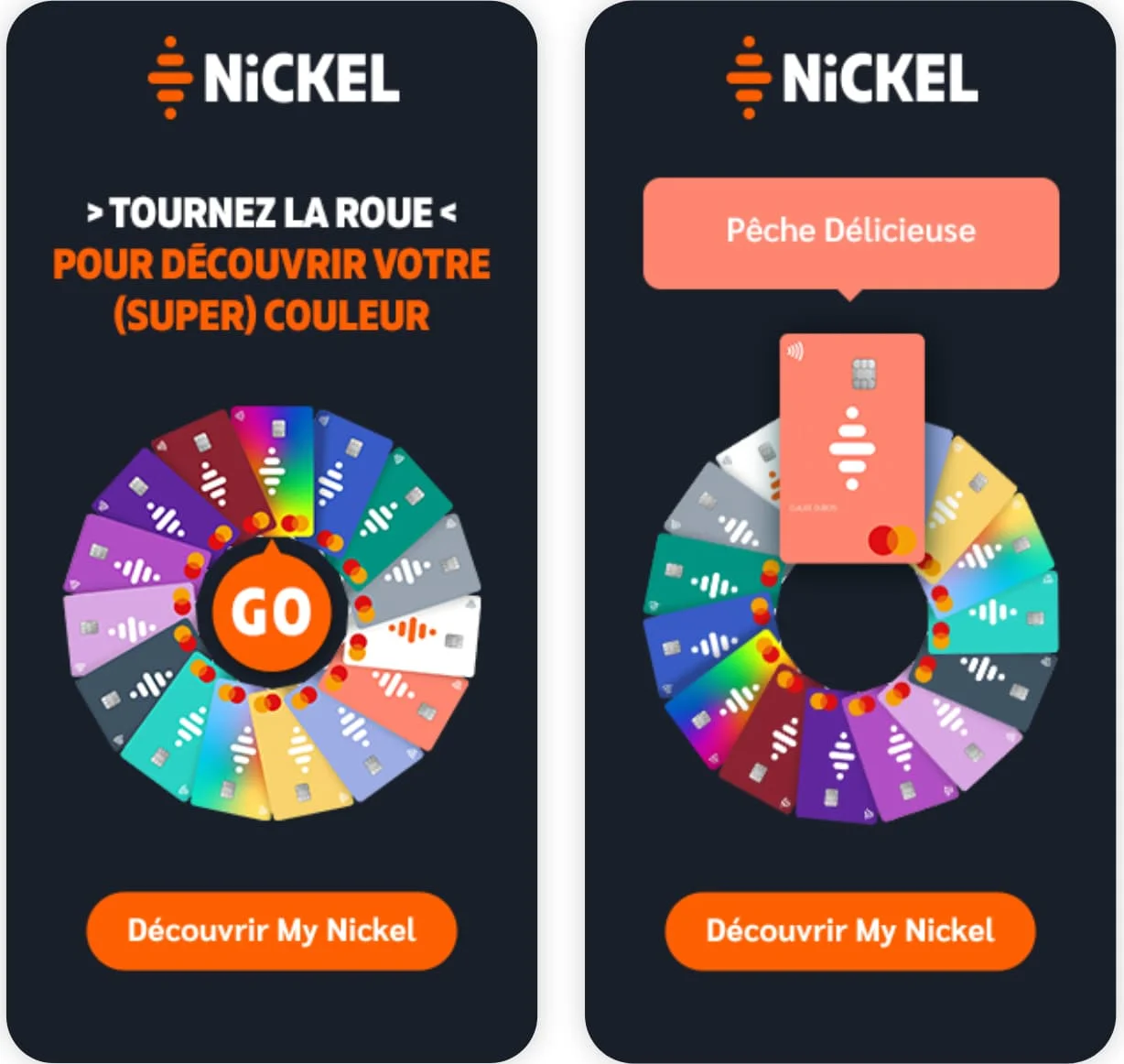
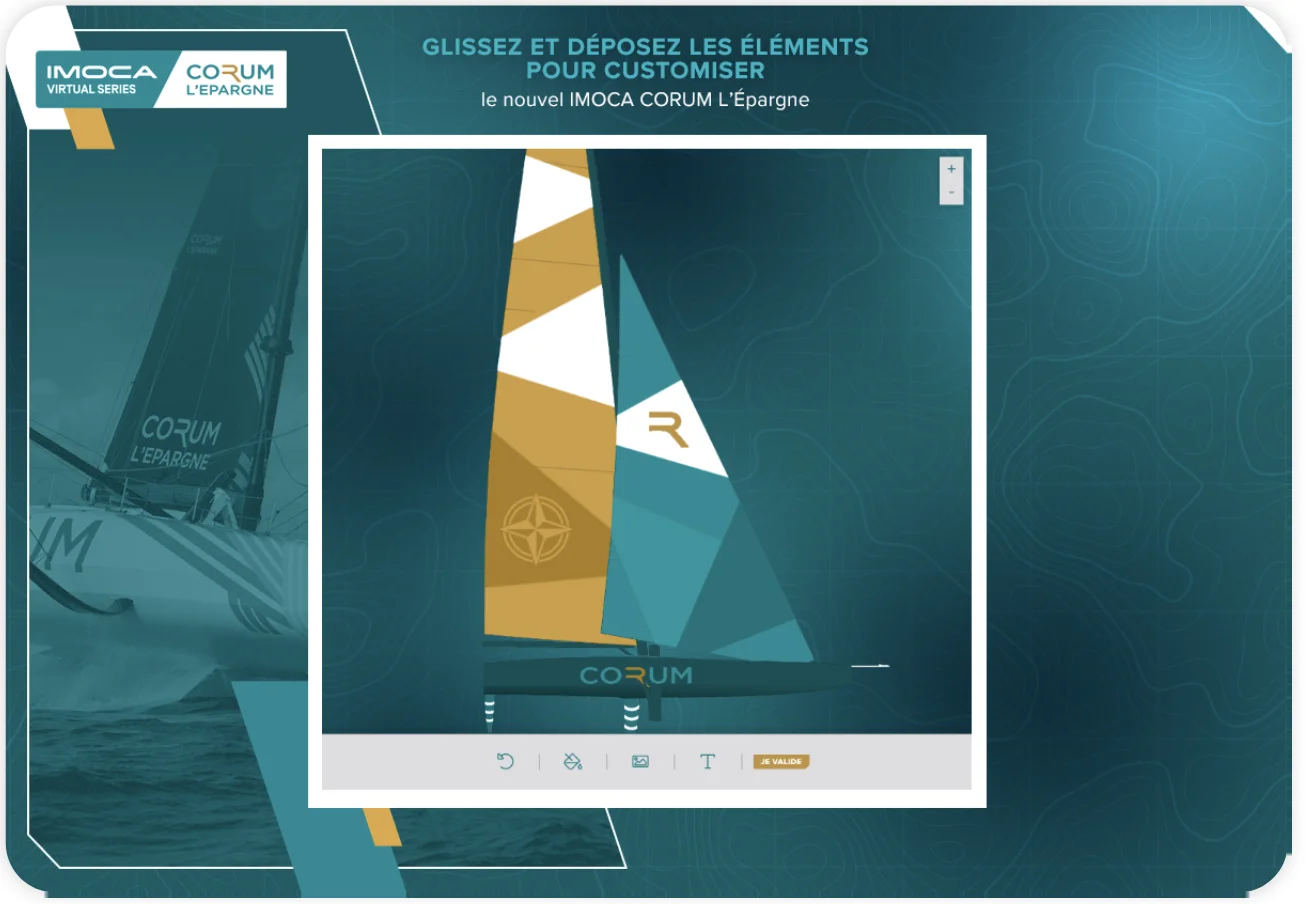
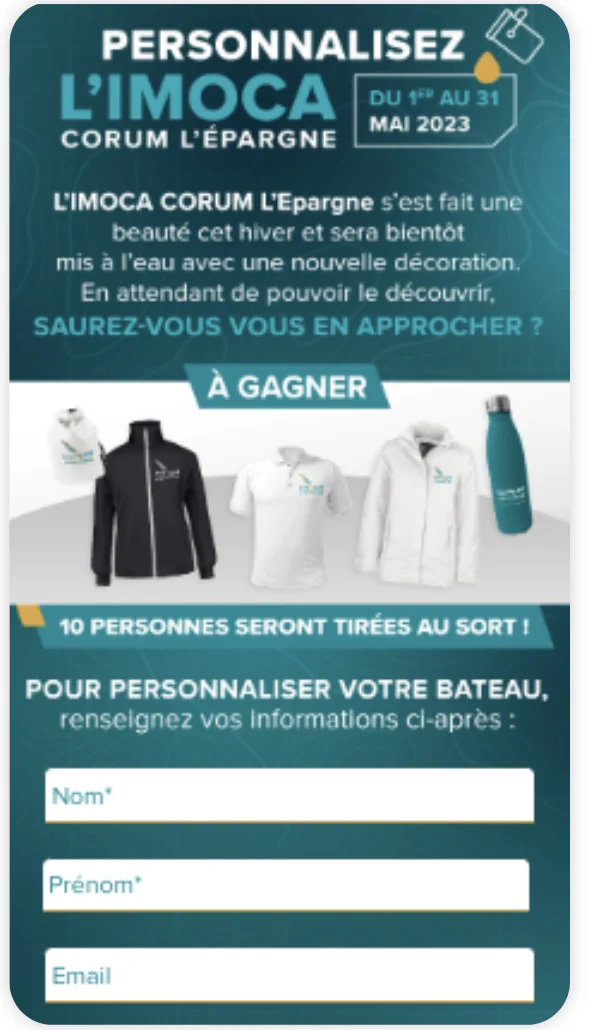
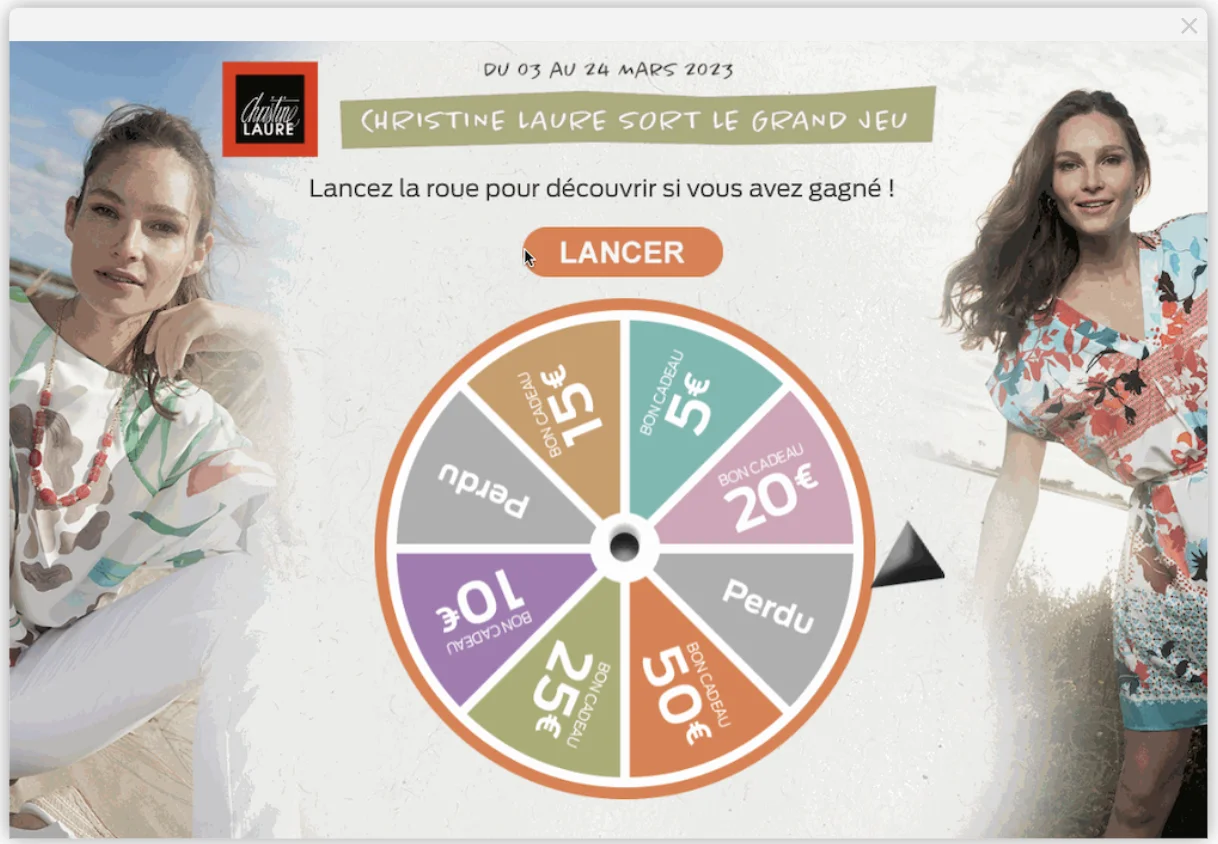
Gamification is an excellent lever for making content on social networks more original and engaging. Competitions, for example, are a very popular format on platforms, helping to capture users’ attention (particularly through the promise of an attractive prize).

These campaigns are all the more powerful when backed up by other levers of visibility and engagement specific to social networks. For example, they can be publicized via an advertising campaign or a partnership with an influencer to reach a wider audience.

5. Measure results and adjust your Social Media strategy

The most important KPIs to track on social networks are engagement KPIs. They enable brands to assess the relevance of their content to their audience and the interest it generates.

Depending on the results of its publications and advertising campaigns, the brand can refine its Social Media strategy. Many companies, for example, have learned from experience that the more authentic the content (i.e. the less elaborate and promotional it is), the more engagement it generates.

Conclusion

Boost your Social Media strategy by integrating gamification into your marketing campaigns. Marketing games are highly effective at capturing attention and engaging your audience. To create differentiating interactive experiences, you can choose from a catalog of playable mechanics the one best suited to your strategic objectives. Our team can also take charge of your campaign!

Interactive surveys: the engaging solution for collecting opinions

Interactive surveys: the engaging solution for collecting opinions

With the depreciation of data and the end of third-party cookies, companies are constantly looking for new ways to collect customer opinion and feedback. Surveys have always been a very practical way of gathering data about your target audience. But its gamified format, the interactive survey, is proving even more effective.

In fact, 89% of consumers say that when a task is gamified, they are more motivated to complete it because of its competitive and playful nature.

In this article, we present the advantages of interactive surveys to better understand the expectations of your audience. We’ll also look at how to use gamification to boost engagement, obtain relevant responses and optimise your campaigns.

What is a survey?

A poll is a survey in which data is collected from a specific group of people. The aim is to acquire more in-depth knowledge about the various questions you ask yourself about your marketing target: what are its consumer habits, its budget, its preferred purchasing channel, and so on.

Why use surveys to improve your marketing campaigns?

The different types of survey

Just as there are several reasons to share a survey with your audience, there are also different survey formats. On peut ainsi distinguer :

  • Market research surveys These are used upstream of a project to gauge the needs and aspirations of the target audience. It is aimed at companies wishing to launch themselves with a new audience. It can also help them find out how they are positioned in relation to their competitors, or whether there is a demand for a new product.
  • Satisfaction surveys (or NPS – for Net Promoter Score)). Ce type de sondage permet d’évaluer si les clients sont satisfaits de l’expérience ou de l’offre de l’entreprise. Concrètement, il consiste à indiquer, sur une échelle de 1 à 10, quelle est la probabilité que le consommateur recommande la marque à ses proches.
  • Awareness surveys : They involve asking shoppers about their knowledge of the brand. This is a good way of measuring the success of an advertising campaign, for example, or identifying unexpected associations that consumers may make with the company.

Why opt for interactive surveys?

The simple act of asking someone for their opinion is already an effective way of capturing their attention and increasing their commitment. However, responding to a survey can also be a tedious task, especially if the format is not adapted to the audience.

As we have already discussed in other articles, the trend is towards interactive marketing. Users are looking for entertaining formats that introduce game mechanisms to make content more engaging.

Gamification will motivate more people to take part in a survey, which is why it’s a good idea to opt for interactive surveys.

Fun surveys can serve several purposes:

  • Increase the number of participants and the survey completion rate. The main reason why users rarely complete a survey is that when the format is not interactive or is too long, it loses interest. Incorporating a game element makes the survey more engaging and attractive. This will encourage participants to complete it in order to obtain the reward that has been promised.
  • Obtain better quality data. The aim is not only to increase the response rate, but also to improve the quality of the data collected. If the survey is entertaining, participants will be more likely to give honest answers. This is particularly important if the survey includes more in-depth questions.
  • Increase brand awareness and customer loyalty. By creating fun surveys, participants will associate the brand with this enjoyable experience. They will be more likely to click, comment or even visit the brand’s website afterwards.

How do you gamify your interactive surveys?

Several interactive survey formats are available to make their feedback forms more engaging. Companies can :

1. Turning a survey into a battle

example survey 1

A company that wants to know the tastes and preferences of its audience can gamify its survey by presenting it in the form of a battle.. Par exemple, plutôt que de demander simplement quel est leur influenceur préféré (dans le but d’optimiser son influencer marketing, for example), it can create a battle of content creators by asking participants to choose a winner at each slide.

2. Replace the yes/no format with a swiper

Example-swiper

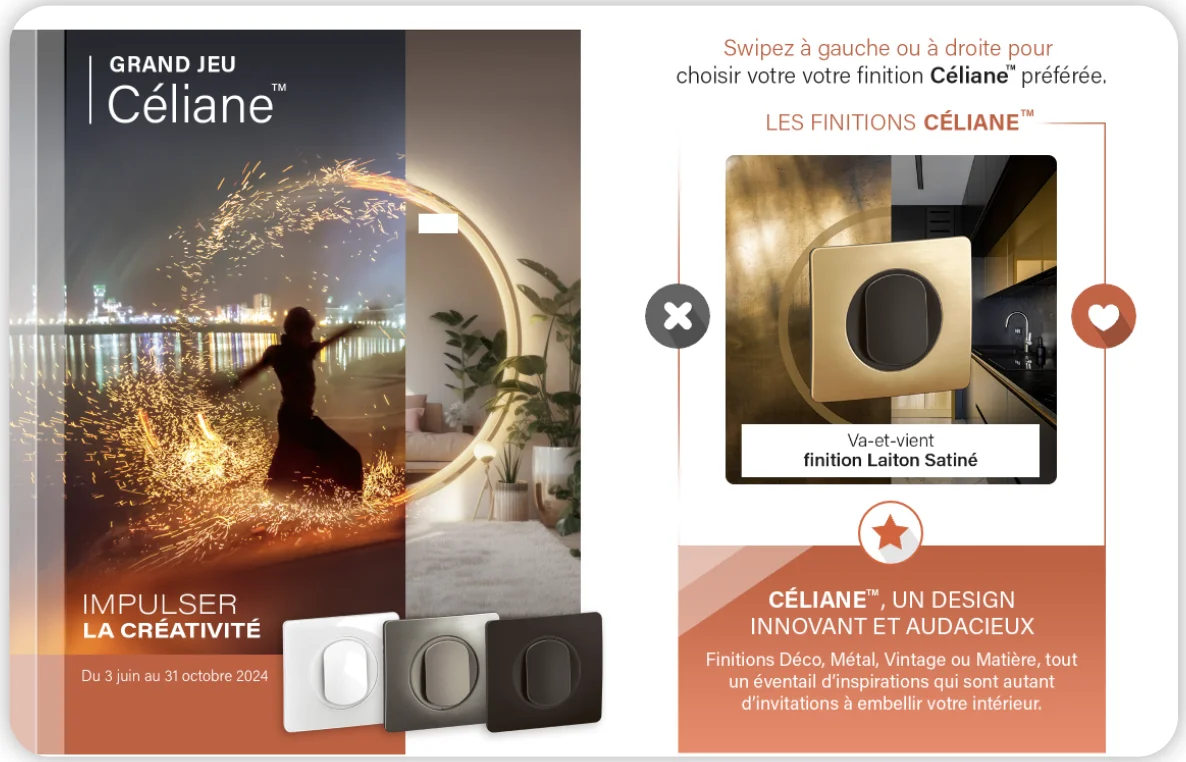
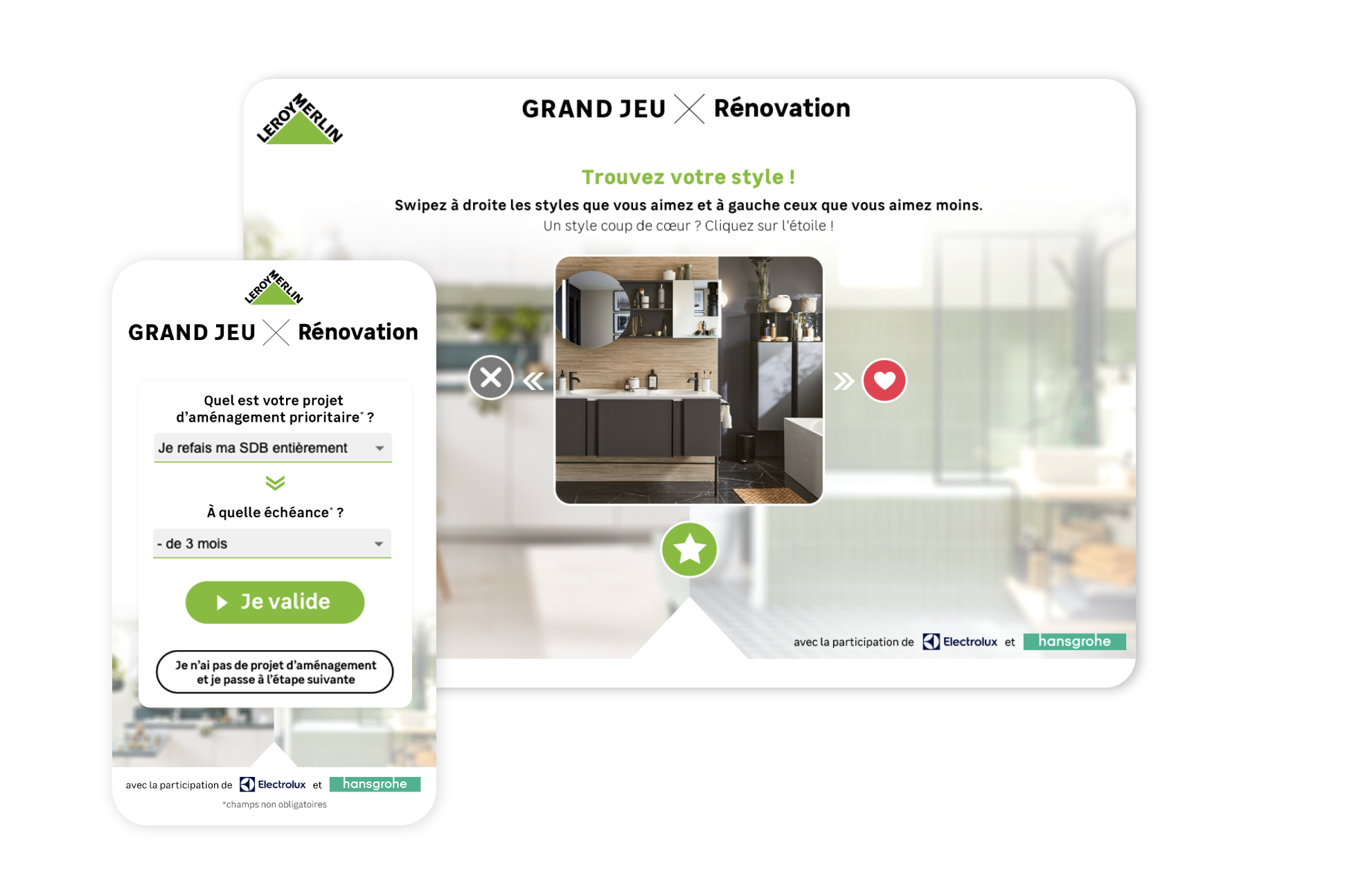
Rather than sharing a survey with closed ‘Yes or No’ questions, brands can make the experience more interactive by opting for the swiper.. Ce format rappelle les applications de dating. Les participants font glisser une image vers la droite s’ils apprécient ou sont d’accord, et vers la gauche si ce n’est pas le cas.

3. Transforming an awareness survey into an interactive quiz

Instead of sending out a long form to test your audience’s knowledge, Trivia is an interactive alternative.. Ce format de sondage permet en effet engage participants, who can test their knowledge and even compare their results with other players.

4. Motivating participants with a personality test

Personality tests are another very popular format for interactive surveys. It allows companies to learn more about their customers and enrich their CRM. But it’s also a way of encouraging participants to complete the survey, since the reward is learning more about their personality. For Valentine’s Day, the personality test can reveal the user’s profile and make personalised recommendations.

In 30 minutes, we show you how to launch your own high-performance interactive survey.

Why create an online interactive quiz?

Why create an online interactive quiz?

The quiz, whether interactive or static, is a particularly popular marketing format for brands, because of its powerful engagement skills. Remember the personality tests you used to fill in in magazines, or the cultural quizzes that enlivened your evenings as a student. The simple curiosity of discovering the number of correct answers you had found or your most prominent character trait encouraged you to answer all the questions in the quiz.

Adapted to marketing, the interactive quiz has all the ingredients to activate your audience and collect valuable data that you can then use to improve your offer or optimise your communication.

In this article, we present the main advantages and types of online interactive quiz that you can organise. Finally, we share our tips and best practices for creating a successful marketing game.

What is an interactive quiz?

An interactive quiz is a type of game in which, after answering several questions, the user obtains the expected answer. A knowledge quiz will reveal the correct answers to the questions asked. As for the personality quiz, it will tell the participant which character trait or personality typology he or she most closely corresponds to.

The whole point of an interactive quiz is to learn a little more about yourself or a subject you’re passionate about.. En tant que tel, le quiz est par nature un jeu interactif, puisque le résultat dépendra des réponses données par l’utilisateur.

Very popular in its educational format, the interactive quiz can also be a powerful marketing tool. For example, it can enable brands to test their audience’s knowledge of their offer, their world or their niche. It’s also a good way of finding out more about their buying habits, what consumers think of a company, and their specific needs.

Why offer an interactive quiz to your audience?

As well as collecting first-party data (i.e. data shared directly by the people concerned) on your audience’s opinion or knowledge, an interactive online quiz generates a number of tangible benefits for the companies offering them.


Engagement and virality

The first obvious benefit of interactive quizzes is to boost the virality of content and audience engagement. Take BuzzFeed, for examplewhich has become famous largely thanks to its interactive online quizzes. These quizzes can be shared thousands or even millions of times on social networks, increasing the brand’s visibility and brand awareness.

The interactive quiz mechanism is one of the most engaging, particularly when it comes to holding your audience’s attention. Because they want to know the answer to the questions asked, or the result of their online personality test, participants will be much more inclined to follow each stage of your interactive quiz, right up to the final revelation. And because they’re curious about the results of their friends and family, they’ll also be tempted to share your quiz with their friends and family.

Creating an interactive quiz is also a very effective way of generating traffic to your site. By adding a ‘hint’ button under a question, it is possible to direct the participant to a page (such as a product sheet, for example) to help them find the answer they are looking for. This way, users who want to win will be more inclined to visit the website, increasing its traffic organically.

Consumer education and differentiation

Another advantage of the interactive quiz is its ability to educate your audience, and therefore generate more qualified leads. A survey conducted by Demand Metric in partnership with Ion Interactive revealed that marketers consider interactive content to be seven times more effective at educating their audience. According to the same survey, this difference in lead qualification generates three times more conversions than in a sales funnel in which the content is exclusively static.

Finally, organising an interactive quiz can enhance your brand image and help differentiate from your competitors. For 88% of the professionals surveyed, interactive content is effective or very effective in this respect, compared with 55% of marketers who only work with static content.

Lead recruitment guide

The different types of interactive quiz and their marketing benefits

One of the advantages of creating an interactive quiz (other than collecting first-party and zero-party data) is the possibility of choosing from a wide range of formats and game mechanics. Depending on your audience and your objectives, you can turn to :

Personality quizzes for collecting and activating first-party data

Already well known to users, the personality test is engaging because we are naturally attracted by the prospect of finding out more about ourselves or those close to us. This format, applied to marketing games, can be used, for example, to discover the product preferences of your audience and optimise your retargeting.

The prediction game to engage a fan base

In the run-up to a major sporting event, an interactive prediction quiz is a highly effective way of boosting community involvement. The excitement generated when the results are revealed and the chance to win prizes encourages the commitment of prospects and brand customers alike.

The same applies to other interactive quizzes such as the Blind test (or music quiz), but this time in the world of music.

In this way, semantic targeting offers a more subtle and precise approach to reaching users interested in a specific subject, while preserving the confidentiality of their data.

Surveys to gather additional information about your audience

It is also possible to create an interactive survey-type quiz to collect qualitative data on its customers and better understand their needs and preferences. Rather than a simple MCQ or personality test, the questions in this online quiz will relate to the buying habits, preferences or aspirations of a segment of consumers.

The company can then use the first-party data collected to optimise its advertising campaigns, improve or adapt its product/service offering, or strengthen the commitment of its community. And more, this gamification mechanism allows you to improve the qualification of your prospects and the satisfaction of your customers without having to use a traditional form.

Our tips for a successful interactive quiz

Ready to create an interactive online quiz? Here are the steps to follow to ensure its success:

  1. Identify the objective of your interactive quiz (to provide online entertainment for your audience or to collect data)
  2. Choose the subject of your quiz (a particular product, the history of your brand, a personality test);
  3. Draft intriguing and hard-hitting interactive quiz questions to keep participants engaged and arouse their curiosity;
  4. Apply a points system to each question in the interactive online quiz;
  5. Define the possible results once the quiz has been completed and any rewards based on these results.

Do you need help creating an interactive online quiz around your brand universe? Discover all our quiz mechanics as well as our different design options and choose the ones best suited to your marketing campaign.