
6 marketing campaign ideas to promote a product

6 marketing campaign ideas to promote a product

Faire la promotion d’un produit suppose de mettre en place une stratégie marketing différente d’une campagne classique de notoriété. La marque va devoir concentrer son contenu sur un article spécifique, pour mettre en avant ses caractéristiques et donner envie de l’acheter.

Mais une campagne pour promouvoir un produit peut servir d’autres objectifs stratégiques. Elle peut être l’occasion de : 

  • gagner en notoriété, 
  • recruter de nouveaux leads (en particulier si la marque étend sa gamme de produits),
  • fidéliser ses clients existants, 
  • collecter de l’opt-in, 
  • ou encore attirer son public en magasin (avec des démonstrations produits par exemple). 

Dans cet article, nous vous proposons 6 idées de campagnes marketing gamifiées pour promouvoir un produit.

1. Promouvoir un produit en donnant un aperçu exclusif

Le lancement d’un nouveau produit est un évènement pour les marques. Certaines en profitent pour organiser un événement durant lequel elles présentent ce nouveau produit. C’est le cas d’Apple et de ses célèbres Keynotes

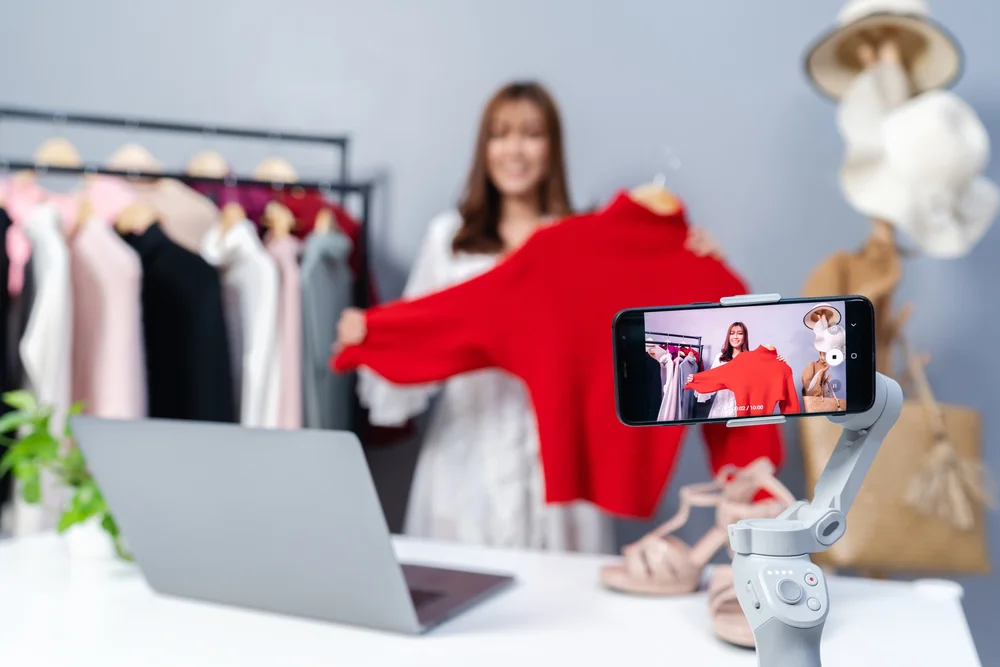
Le live shopping offre une alternative digitale à cette présentation de produit, offrant la possibilité de découvrir en exclusivité l’article utilisé (ou porté dans le cas du marketing de la mode). Les marques peuvent aussi en profiter pour répondre aux questions des internautes et présenter les caractéristiques et la valeur ajoutée de leur produit de manière plus interactive et pertinente. 

Cette présentation du produit peut se faire en amont du lancement. Dans le cas d’un produit digital (un logiciel ou un jeu vidéo), l’entreprise peut créer une forme de teasing en présentant une démonstration de son service ou en faisant tester un MVP (pour Minimum Viable Product, soit une version bêta) à ses utilisateurs engagés. C’est un moyen de collecter des feedbacks pour améliorer le produit final, mais aussi de récompenser ses clients fidèles.

2. Answering customer questions with an interactive quiz

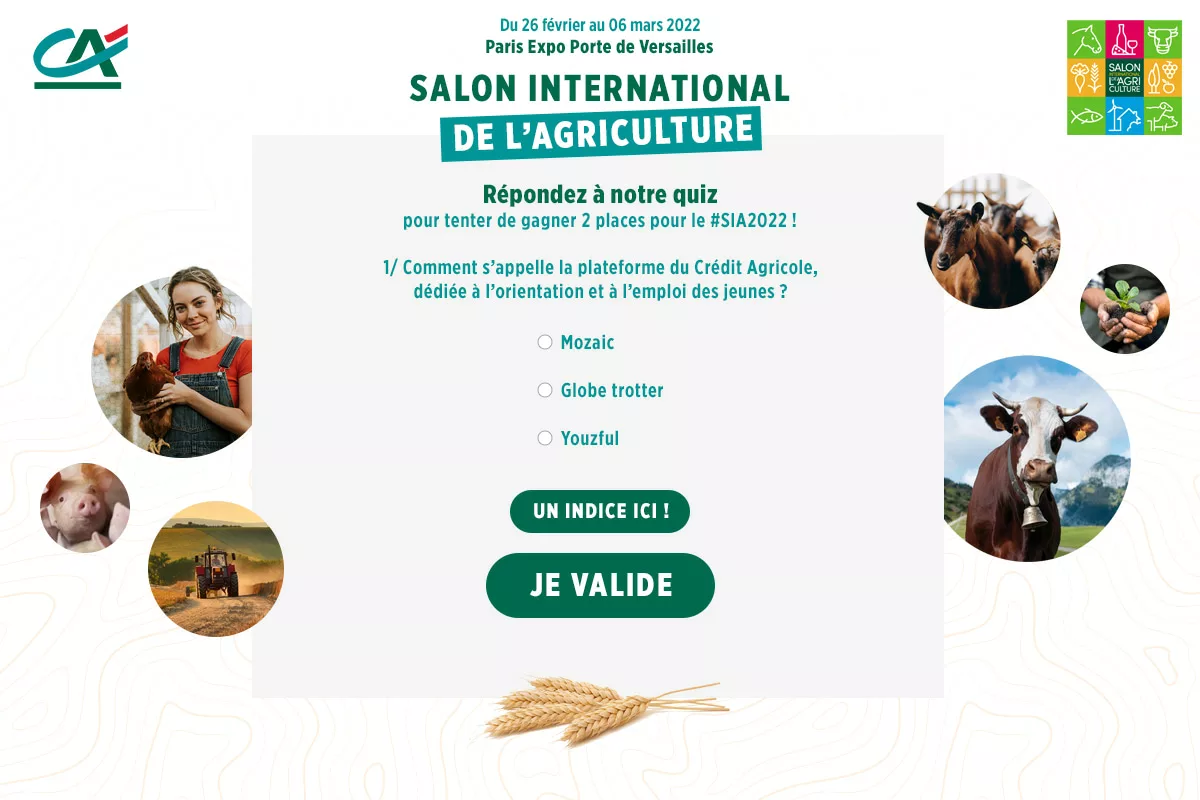
La principale valeur ajoutée d’un produit, et ce qui lui permettra de se distinguer de ses concurrents, c’est sa capacité à répondre aux problèmes que rencontrent les consommateurs. Pour inciter son audience à s’intéresser à un produit, et lui donner envie de l’acheter, la marque peut présenter ses caractéristiques à travers un Quiz interactif.

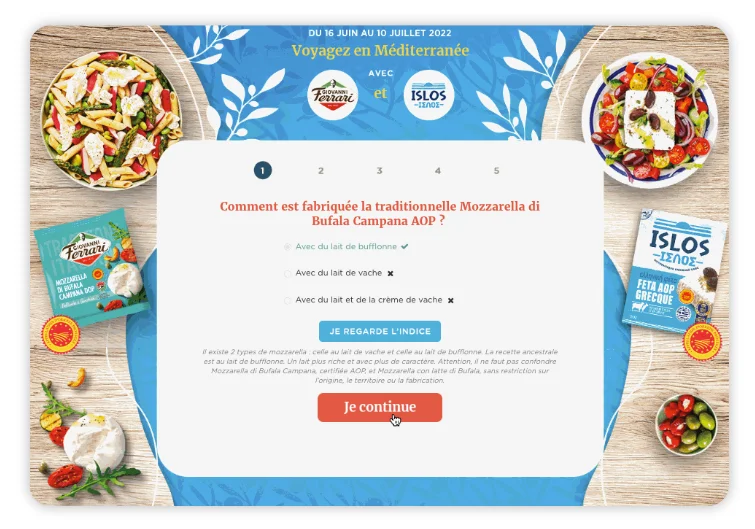
Les consommateurs pourront découvrir le produit de manière interactive, à travers un format gamifié à l’issu duquel ils peuvent remporter un bon d’achat ou une remise. C’est ce qu’a fait Savencia pour mettre en avant ses 2 marques Giovanni Ferrari (mozzarella) et Islos (Féta) durant l’été. L’entreprise a partagé un quiz aux couleurs méditerranéennes dans lequel les participants pouvaient tester leurs connaissances tout en découvrant les produits.  

Les participants peuvent en profiter pour poser des questions via un formulaire partagé en fin de quiz. L’entreprise peut ensuite garder les questions fréquentes et/ou pertinentes pour organiser un Q&A et ainsi répondre aux préoccupations de ses prospects. 

product promotion quiz

3. Share UGC to promote a product

Quelle meilleure façon de faire la promotion d’un produit que de partager des témoignages de la valeur qu’il offre à vos clients. En marketing, c’est ce que l’on appelle l’UGC, soit le contenu généré par les acheteurs. Il peut s’agir de photos ou de vidéos dans lesquelles vos clients se montrent en train d’utiliser (ou de porter votre produit). 

Ce contenu authentique est efficace pour convertir de nouveaux clients, d’autant plus lorsqu’il est repartagé avec un hashtag dédié. Pour collecter de l’UGC, les marques peuvent organiser un concours (là aussi vidéo ou photo). Les clients seront encouragés à participer pour tenter de gagner une dotation attractive et la possibilité d’être repartagé sur le compte de leur marque préférée. 

C’est ce que fait GoPro pour mettre en avant la qualité de ses appareils photo et caméras.

4. Product launch: 100% winning coupons

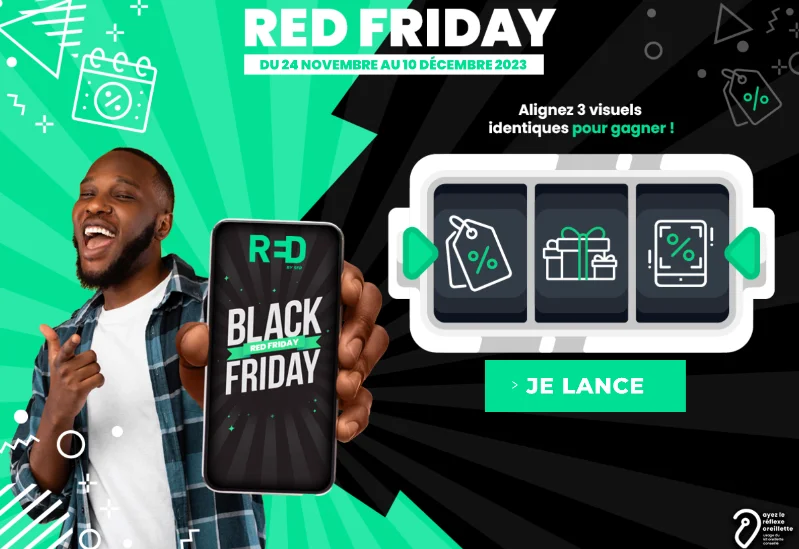
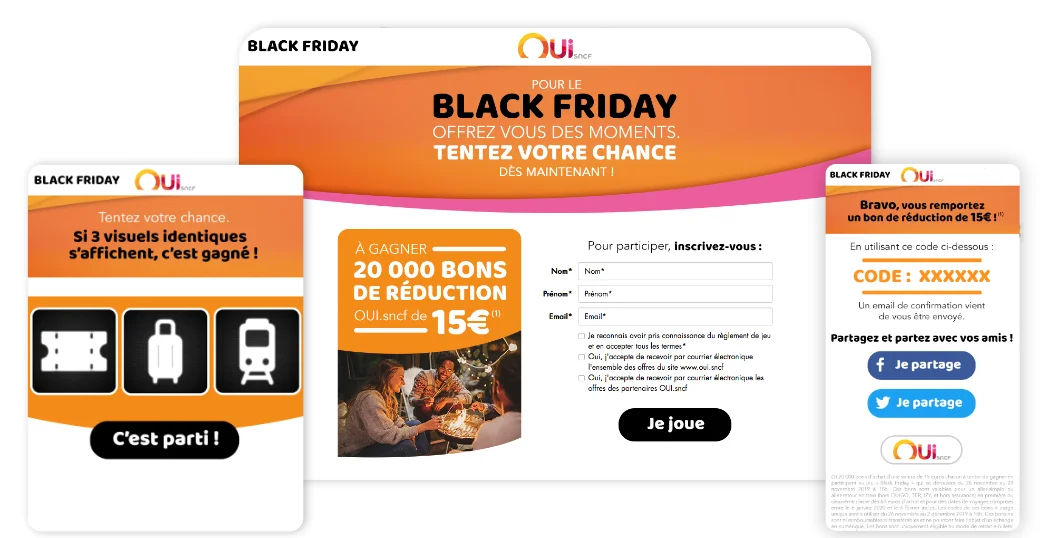
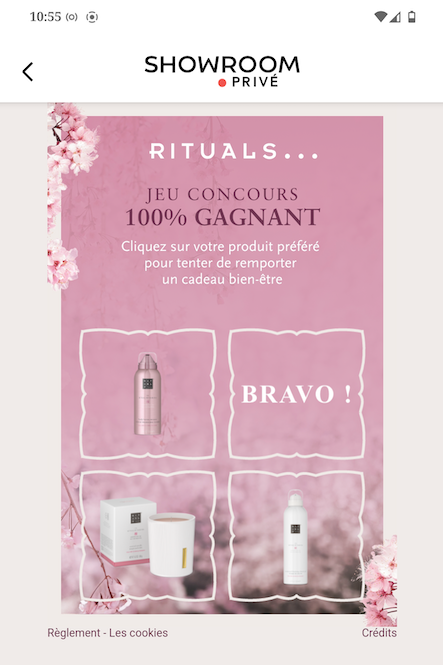
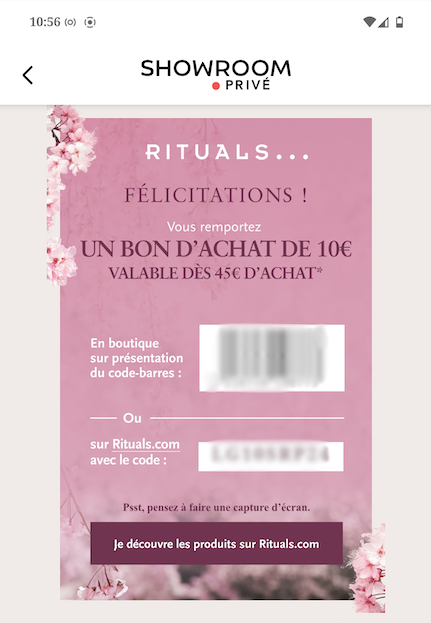
Les entreprises peuvent organiser une campagne promotionnelle pour donner de la visibilité à un nouveau produit et booster les ventes aux lancements. Les instants 100 % gagnants, permettent de distribuer des e-coupons, sont efficaces dans ce cas de figure. 

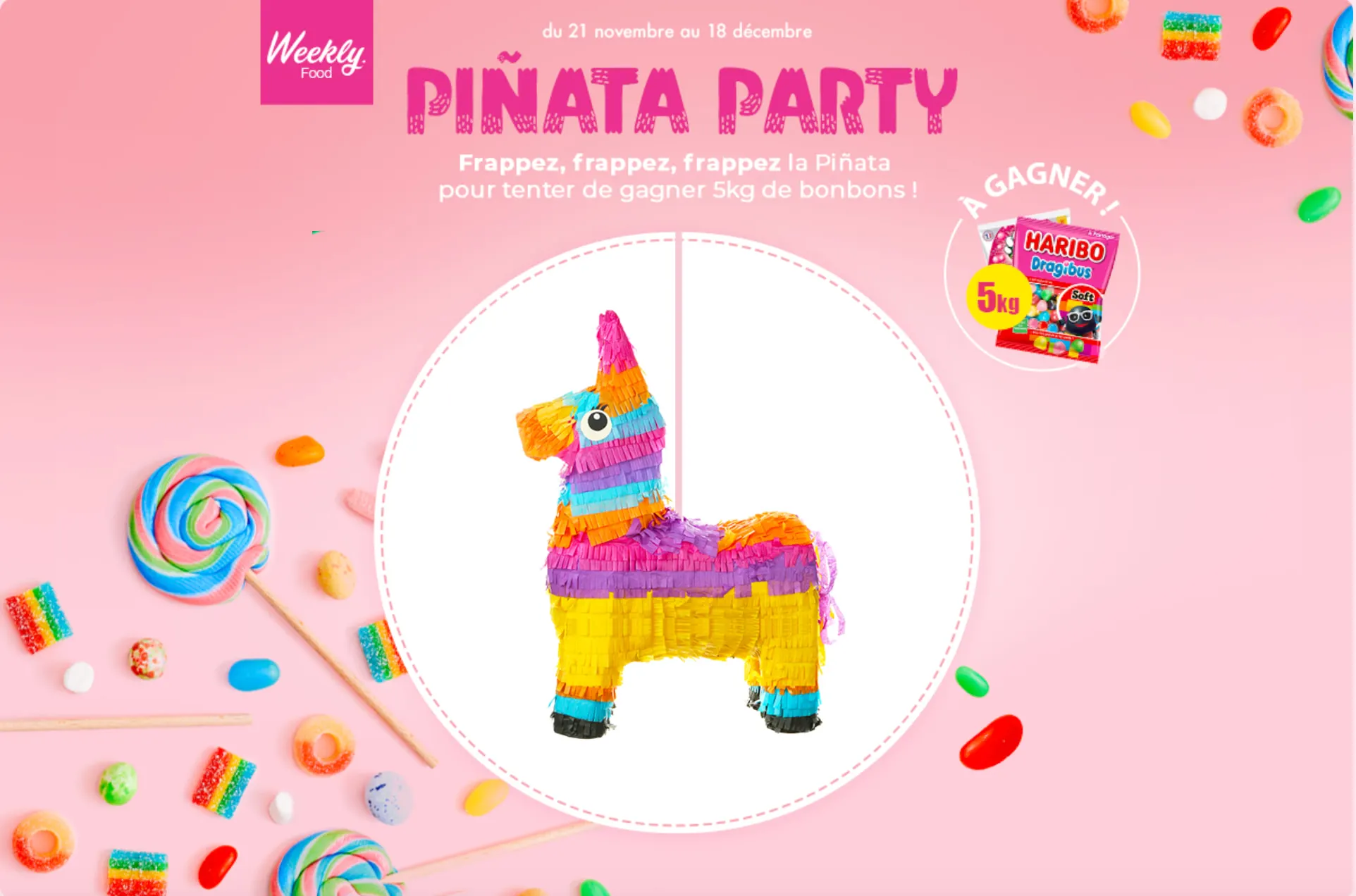
Les participants peuvent remporter une remise (le pourcentage dépend de leur résultat). La marque peut le faire via une mécanique comme le bandit manchot, dont les motifs représenteront son produit, ou opter pour une pinata qui reprendra la forme de l’article. 

pinata marketing contest

5. Present the benefits of the new product

De nombreuses marques qui font la promotion d’un produit ont tendance à se concentrer sur les caractéristiques et fonctionnalités de ce dernier. Or, une stratégie marketing beaucoup plus efficace est de présenter les avantages qu’offre un article et la valeur ajoutée que peuvent en retirer les utilisateurs. Ces derniers sont ainsi encouragés à se projeter avec le produit entre les mains et visualisent mieux ce que ce dernier peut leur apporter. 

Une excellente mécanique de gamification pour présenter la valeur ajoutée de son produit ou de son offre est le Memory. En effet, elle permet de mettre en valeur des contenus promotionnels, d’informer les consommateurs et de maximiser le temps qu’ils passent avec la marque. 

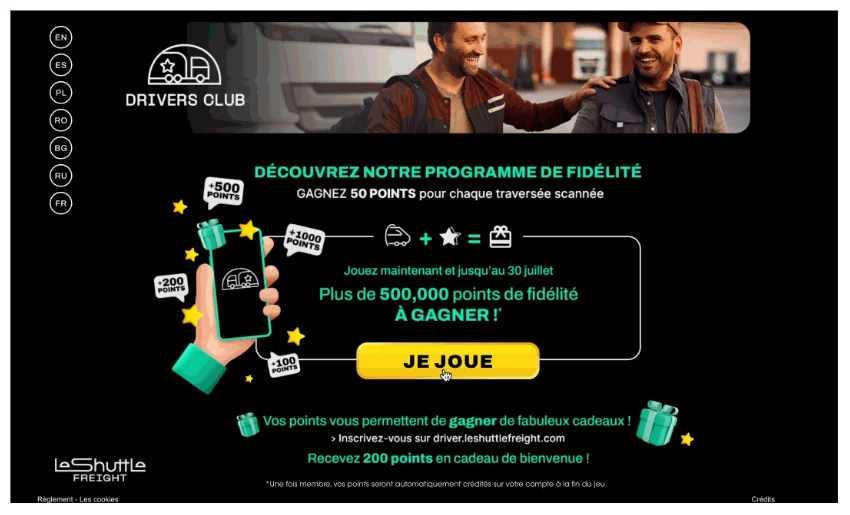
Le Shuttle Freight a opté pour ce jeu marketing pour mettre en avant les avantages de leur programme de fidélité et recruter des adhérents. En cliquant sur une carte, les participants pouvaient découvrir les récompenses auxquelles ils auraient accès selon le nombre de points cumulés (cadeau d’anniversaire, traversée gratuite, etc.). 

Le jeu était suivi d’un instant gagnant leur permettant de gagner des points de fidélité : une mécanique engageante puisque les prospects savaient ce que ces points leur permettaient de débloquer. 

product promotion loyalty

6. Immerse customers in your brand universe with a treasure hunt

Lorsque les marques font la promotion d’un produit, elles utilisent souvent des formats statiques, peu engageants pour les consommateurs. La gamification permet de créer de l’interaction et d’encourager les clients à interagir avec le produit. Ils ne sont plus les spectateurs passifs d’une publicité ou d’une vidéo de présentation didacticielle, mais les acteurs de la campagne, découvrant le produit sous toutes ses coutures et même en action. 

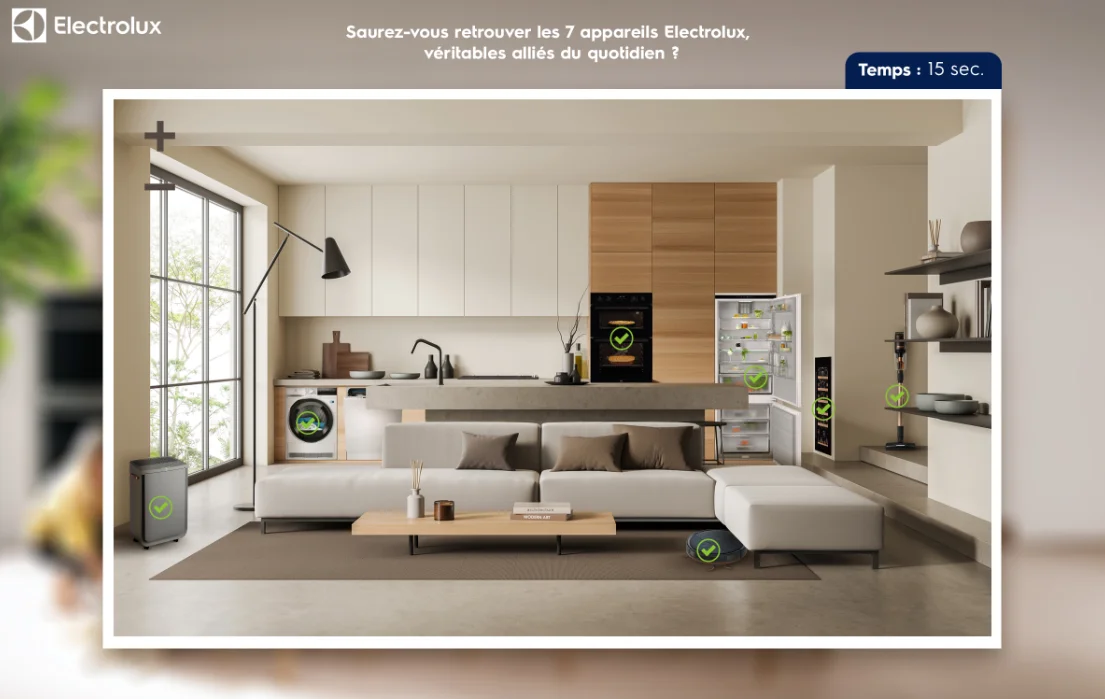
La chasse aux trésort est un format permettant de créer cette interaction entre le client et le produit. Les participants sont plongés dans l’univers de la marque et peuvent découvrir le produit dans un environnement gamifié, en lien avec l’article. Il peut s’agir d’un hidden object (ou objet caché) classique, dans lequel l’utilisateur recherche l’objet dans un monde virtuel. 

La marque peut opter pour une version complexe où l’utilisateur doit réunir les éléments qui composent le produit (les ingrédients d’un soin de beauté). Le client découvre le potentiel du produit, ses fonctionnalités/propriétés et cas d’usage.

hidden object game

Conclusion

Pour faire la promotion de votre produit, misez sur des formats publicitaires interactifs. La gamification vous permet de créer une expérience grâce à laquelle votre marque pourra booster ses ventes en invitant les clients à découvrir ses produits. Dynamisez vos campagnes marketing en personnalisant nos mécaniques jouables !

In 30 minutes, we show you how to launch your own high-performance interactive marketing campaign.

How to attract new customers with a marketing game

How to attract new customers with a marketing game

In an increasingly competitive environment, it is becoming more and more difficult for companies to attract and retain new customers. Traditional marketing and advertising methods are no longer as effective, so brands need to think outside the box to stand out from the crowd.

Gamification is an innovative approach to attracting new customers. This strategy involves incorporating playful elements (from the world of video games, for example) into a marketing campaign to capture the attention and engage the audience.

By making the brand experience more fun and interactive, marketing games can help companies win over new consumers. In this article, we share examples and practical advice at 4 different stages of the customer journey:

  • Lead generation ;
  • Brand awareness ;
  • Conversion ;
  • Creating a customer account.

1. How to attract new customers with marketing games

Identifying and engaging potential customers is the first step in the sales pipeline of a company. The company needs to determine the audience it wants to reach (i.e. the customers most likely to be interested in what it has to offer) and develop a relevant strategy to attract their attention.

The organisation can use a mix of several marketing levers such as content marketing and search engine optimisation (SEO). Or social media marketing by sharing entertaining content on social networks.

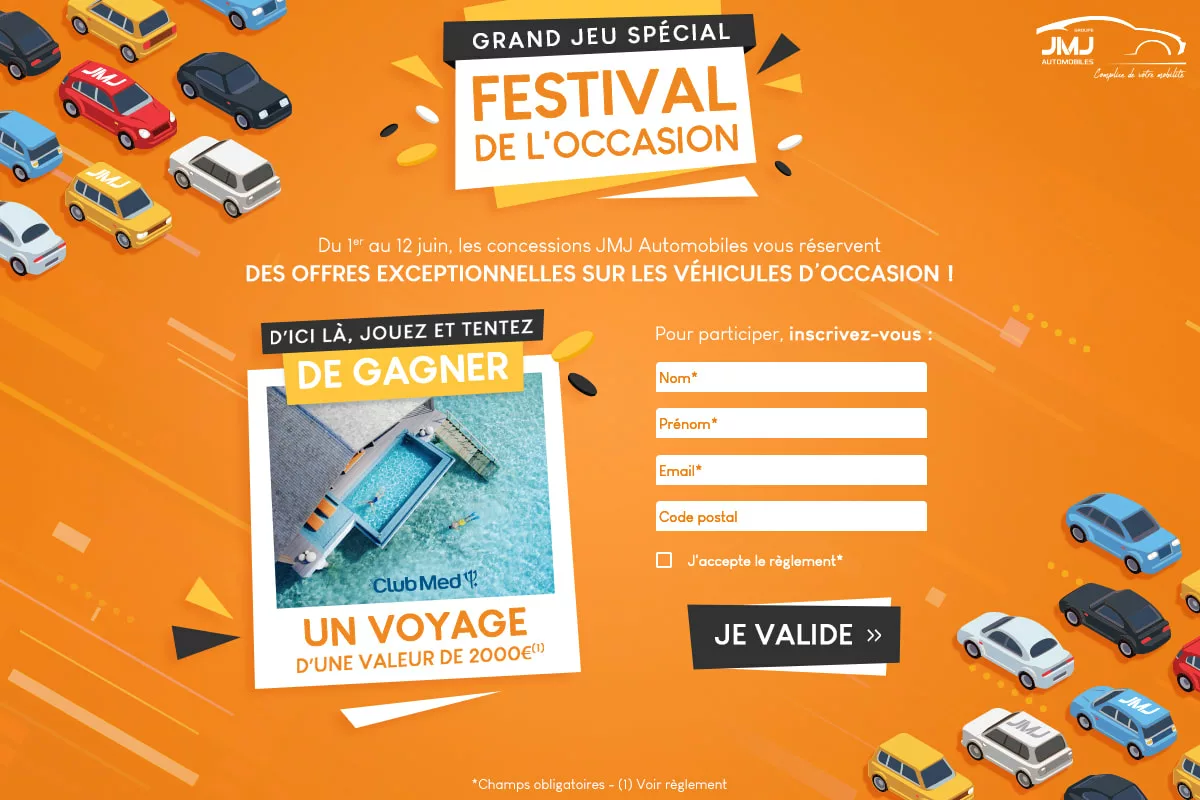
Lead gen will then involve encouraging these prospects to interact with the brand, by giving them an email address to which it can send them personalised emails.The marketing game is a particularly interesting tool for collecting the contact details of new leads. The promise of a reward (such as a discount voucher offered via an instant win) will encourage consumers to fill in a lead generation form.


Which marketing game to use to generate leads?

At this stage in the sales funnel, when the consumer is not yet familiar with the brand, the key is to capture their attention through a simple mechanism that requires little commitment.

The company can therefore bet on a winning moment like a wheel of fortune. Le prospect pourra y accéder après avoir partagé son adresse mail, par exemple. Cette action créera automatiquement un profil de prospect sur la plateforme de gestion de la relation client (CRM) de l’entreprise

The participant will know instantly after launching the game whether they have won a prize or not. By focusing on a prize that encourages people to buy (such as a discount or an attractive prize), it will be easier for the company to convert this new prospect into a customer.

The choice of distribution channel is also important. For lead generation, companies can rely on social networks, which allow them to reach a wider audience. Spreading the campaign on social networks is therefore vital for reaching a large audience. The brand can also give participants the chance to maximise their chances of winning by sharing the marketing game, thereby making the campaign go viral.

how to attract new customers

2. Using gamification to develop brand awareness and recall

To attract new customers, companies also need to raise their profile with their target audience. Gamification is an excellent way of achieving this objective and making your brand more easily recognisable. Marketing games can be used to create a memorable and differentiating brand experience.

Gamification generates commitment by making each piece of marketing content interactive. Prospects can interact with the brand via a fun mechanism which, as well as entertaining them, potentially allows them to unlock advantages or benefits. attractive endowments.

But gamified marketing campaigns are also more effective in terms of receptiveness and memorability of commercial messages. In fact, gamification is already used in a learning context (known as edutainment) because it increases retention of new information.

By transforming the consumer into a player in the marketing game, the company enables them to become more actively involved in the content that she shares with him. This commitment strengthens attention and enables the information shared to be mobilised in concrete situations (such as a memory or a quiz, for example).

Gamification therefore enables marketers to educate and inform people about the brand, its products or services.

how to attract new customers

Which marketing game to use to boost brand awareness

The Memory is a very popular memory game that involves finding pairs of identical cards from a set of face-down cards. The game is entirely customisable. Companies can therefore use it to promote a new product or service. They can personalise the cards according to their graphic charter and the offers and products they wish to promote, for example. Participants will discover it in a more entertaining way, increasing their memory of its characteristics and advantages.

Another option: the puzzle, which involves reconstructing a brand logo or product image.

3. Gamification to increase your conversion rate

The next step is to turn these new prospects into customers Here again, gamification enables companies to increase their conversion rates.

As we have seen, marketing games are highly effective tools for collecting customer data. L’entreprise peut s’en servir non seulement pour obtenir les coordonnées de ses prospects. Mais elle peut aussi mobiliser des formats interactifs (comme the swiper or a form for choosing your favourite product) to identify the preferences of their audience. This customer knowledge will then enable them to retarget their prospects with personalised content that is more likely to convert.

But gamification can also provide prospects with incentives encouraging them to carry out a specific action (in this case, completing a purchase). Through a competition or instant win, the company will give its audience the chance to win discount vouchers or other benefits (such as free delivery). To take advantage of this, participants will be redirected to the company’s website or invited to visit its physical points of sale.

Which marketing game to use to increase your conversion rate

Competitions are a highly effective way of converting new prospects. The brand can offer prizes that are likely to generate a sale (such as a discount or voucher). It can also make these rewards time-limited to generate a sense of urgency that will encourage consumers to take advantage of them before it’s too late.

how to attract new customers

4. Using gamification to boost account creation

Finally, gamification can be used to encourage customers to create an account. As with a loyalty programme, the customer account enables the company to strengthen the relationship with the consumer by offering a series of benefits:

  • product previews,
  • faster, simpler ordering ;
  • vouchers after accumulating a certain number of points.

For them, it’s an opportunity to have a direct channel of communication with their customers. Elle pourra par ce biais réactiver ces derniers avec des recommandations de produits personnalisés, des offres exclusives, etc.

In addition to the benefits offered, brands can encourage the creation of customer accounts thanks to a marketing game. To access the interactive animation, participants will need to create an account.

Which marketing game to encourage the creation of a customer account

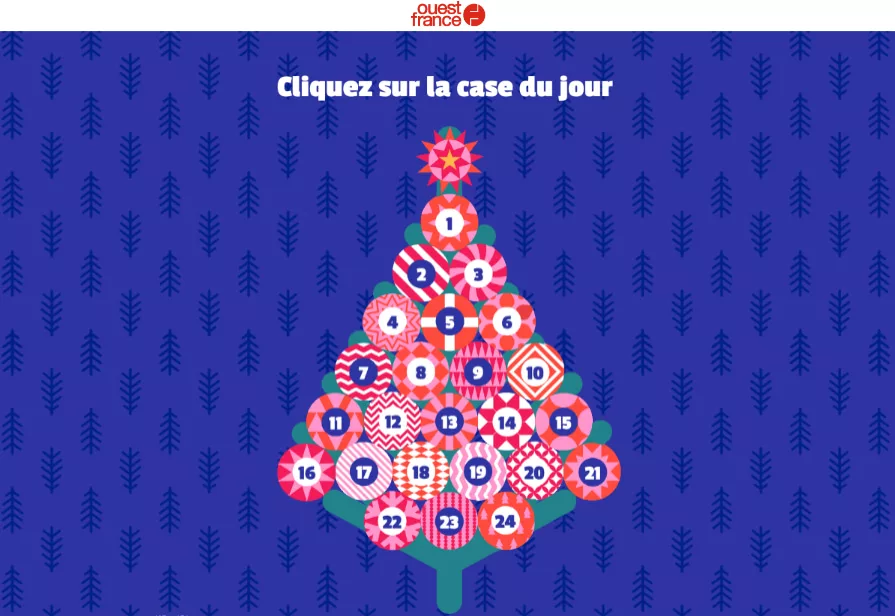
To boost the creation of customer accounts, the Ouest France media distributed an Advent calendar . Ce format très populaire en période de fêtes de fin d’année a permis à l’entreprise de capter l’attention de plus de 81K personnes. Only participants with an account could access the game and hope to win attractive prizes (holidays, high-tech equipment, vouchers, etc.).

ouest-france-example

Conclusion

Gamification is therefore a powerful lever for attracting new customers. From lead generation to increasing brand awareness, not forgetting conversion and loyalty, marketing games make it possible to capture and engage your audience. Discover our interactive game mechanics to reach and convert a wider audience.

En seulement 30 minutes, nous vous montrerons comment lancer votre propre campagne de marketing interactif performante.

How do you organise in-store competitions?

How do you organise in-store competitions?

Despite the growth of e-commerce, physical stores remain a strategic point of contact. to engage your customers and prospects. In-store competitions not only attract traffic, but also Create a memorable experience, build loyalty, and enrich your CRM with high-quality first-party data.

In this article, we detail the advantages, effective mechanics and best practices for organising competitions that have a real impact on business.

Why offer in-store competitions

A competition is a form of entertainment organised by a company or organisation. with the aim of attracting people’s attention to your products or services. We’ve already talked a lot about online competitions, which take place on digital communication channels. But interactive animation can also be adapted to retail and organised at physical points of sale.

Grab customers’ attention with an in-store competition

In an increasingly competitive environment and in the face of more demanding consumers, shops need to redouble their inventiveness to stand out from the crowd and win consumer loyalty.

When a chain sets up an in-store competition, it has a better chance of attracting customers and prospects, if only because consumers rarely say no to the chance to win a free gift or take advantage of discounts on their purchases. This is especially true in times of inflation, when buyers are more careful about what they spend.

Organising an in-store competition is also an excellent way to stand out from the crowd and create excitement in its points of sale. Passers-by who haven’t necessarily heard of the brand will be curious to find out what’s going on and will be more likely to push open the doors of the boutique.


Lead recruitment guide

Boosting buyer engagement and retention through point-of-sale marketing

There’s nothing more frustrating than a prospect walking into your shop, browsing the shelves and leaving without having bought anything. For salespeople, however it’s difficult to interact with consumers without falling into ineffective commercial tricks such as asking them if they need help or advice.

In-store competitions are a simple and effective way of creating positive interactions with customers. Shoppers do not feel that the brand’s staff are trying to make them consume, since the aim of a marketing game is to win them gifts or other rewards. The link that is created between the brand and the buyer is therefore not a transactional one, but one that establishes a more authentic and lasting relationship.

By using game-based mechanisms (such as collecting points with every purchase, searching for a mystery item in shop or discovering a surprise discount on their till receipt), retail competitions also encourage customers to return to the shop or to continue interacting with the brand on its digital channels.

The competition can be launched online (on social networks, for example), but participants can also be invited to visit the shop to claim their price. This marketing leverage enables you to consolidate your customers’ multi-channel purchasing journey and to strengthen the relationship between consumer and brand over the long term.

Getting to know your customers better

A brand’s growth and performance depend to a large extent on its ability to meet its customers’ expectations. And that means gathering first-party data on its core target in order to better understand its desires, consumer trends, budget, etc. In-store competitions are an excellent way of gathering this data.

Motivate your sales teams with an internal competition

In-store workplace competitions can also be part of a company’s internal strategy, helping to motivate its sales force. Some brands organise them for their employees in order to create healthy competition between their different sales outlets. The shop with the best sales figures, for example, will be rewarded with bonuses or gifts.

The different types of in-store competitions

Depending on the brand universe, target audience and budget, companies wishing to organise an in-store competition can choose from a range of different approaches.

Here are some ideas for in-store competitions to inspire you.

Random drawing at the checkout or at the point of purchase

The best-known in-store competition is undoubtedly a random drawing in-store. The principle is simple. Once they have made an in-store purchase, the brand’s customers will automatically be entered into a random drawing and will find out if they have won directly on their till receipt.

The brand can also integrate a marketing game application (such as a wheel of fortune or a one-armed bandit) directly into its shopping terminals.

Not only is this mechanism very simple to put in place. It also naturally encourages consumers to return to the shop to maximise their chances of winning.

interactive terminals

In-store interactive games

In-store interactive marketing is an even more effective way of engaging customers, as it directly invites them to take part in a game based around the brand’s products or services.

The conditions for participation are no longer limited to making a purchase in the shop, but rather to taking part in a contest (makeover, drawing, etc.), searching for a mystery item on the shelves or correctly answering the questions in a quiz on the history of the brand.

Omnichannel competitions

The whole point of the marketing game is that it makes it easy to build bridges between your different communication and distribution channels. It’s easy to attract your online community or e-commerce site customers to your shop with a competition.

The principle is simple: the brand shares the rules of its competition via a publication on social networks, but the conditions for taking part or collecting the prizes on offer are to visit the shop.

Conversely, an in-store interactive game (such as a photo competition using the brand’s products) can enable the company to grow its online audience and generate UGC. To do this, simply invite participants to share their photos on social networks using a hashtag created specifically for the occasion.

In-store competitions are an effective way of attracting, engaging and retaining shoppers. Discover all the Adictiz interactive formats that can be easily integrated into your in-store shopping experience!

FAQ: in-store competitions

What are the advantages of an in-store competition?
They help attract traffic, engage customers, build loyalty, and collect useful data for CRM.

What types of competitions can be organised in shops?
Prize draws, interactive terminals, wheels of fortune, quizzes, creative challenges, or omnichannel games combining digital and physical elements.

How to effectively collect data through a competition?
Request a minimum amount of relevant information (email address, preferences, loyalty card number), offer a double opt-in if necessary, and store the data directly in your CRM for marketing purposes.

How can participant engagement be maximised?
Use gamification, offer attractive rewards, simple and fun mechanics, and communicate about the promotion via all available channels.

Do in-store competitions have to comply with regulations?
Yes, they must comply with applicable legislation (GDPR for the collection of personal data, rules on games and lotteries) and ensure that participants give their clear and voluntary consent.