

Gamification for the employer brand

Gamification for the employer brand

These days, it’s increasingly difficult to find qualified profiles to strengthen your teams, but also to retain talent within your company. It is therefore crucial for organisations to strengthen their employer brand, not only to boost their attractiveness to candidates, but also to better engage and retain their employees.

Gamification is a tool that can help create a strong employer brand, at every stage of the employee experience. In this article, we share with you some best practices and concrete use cases for gamifying your employer brand and responding to the HR challenges you are currently facing.

What is an employer brand?

Simply put, employer branding is the way companies present themselves to their employees. While a company’s brand image is primarily designed for and communicated to its customers, its employer brand is also aimed at its employees and the talented people who might consider joining its teams.

It is therefore an organisation’s unique value proposition
as a recruiter and an employer. An employer brand includes a range of very tangible elements, such as the conditions and benefits that the company offers its employees (salary policy, financial and intangible bonuses, etc.). But it also includes more intangible elements, such as the company culture, the values espoused by the organisation and its employees, the career prospects for both the company and its employees, etc.

The employer brand is also built around the image that the company conveys through different
communication tools (career page, LinkedIn profile, presence at trade fairs). But it is also co-constructed by all employees, past, present and future. This involves feedback that they share via their own networks or with a wider audience (on a site such as Glassdoor, for example, but also via their LinkedIn profile, etc.)

Why consolidate your employer brand?

The employer brand is a key element in a company’s ability to grow in the long term. The stronger the employer brand, the more likely it will be to attract, engage and retain the best performers in its teams.

Building your employer brand means you can :

  • Optimise your talent acquisition strategy. The employer brand helps to attract, engage and retain the most talented people. Not only will talent be more likely to apply to a company that enjoys a good reputation as an employer. But they will also be more motivated to give their best to the organisation and will tend to see themselves as long-term employees.

  • Ensure its financial stability. Recruitment is a major expense for companies. In the same way, high staff turnover and positions left vacant for too long can have a negative impact on an organisation’s profitability. The ability to attract and retain the best talent is therefore crucial to productivity and growth.

  • Consolidate your brand image. A company’s ability to offer its employees good working conditions is just as important to its customers. Consumers value responsible brands that respect people, starting with their employees.

Why gamify your employer brand?

Gamification, or the introduction of playful elements into a context not traditionally associated with games, is an excellent way of consolidating your employer brand. Here are 3 concrete steps (awareness, acquisition and retention) where this strategy can be a winner.

1. Gamification to develop an attractive employer brand

In the same way that gamification can be used by brands to raise their profile with potential customers, it is also an excellent way of capturing and retaining the attention of talented people. By introducing playful elements into its communication materials, a company can communicate more effectively with candidates and convey its values and messages in an impactful way.

Gamification offers a multitude of mechanisms for conveying information to your target audience, via an interactive quiz, for example. An interactive approach ensures that your audience will pay closer attention and retain the message better.

For example, many talented young people want to work for companies that share their values. Gamification can be used to communicating and reinforcing the employer’s unique value proposition with candidates. By opting for a Quiz or a Battle, the organisation can communicate its commitments (on work-life balance, sustainable development, diversity and inclusiveness) in a fun and memorable way.

2. Gamification to optimise your recruitment process

Gaming can also enable employers to break traditional recruitment codes. For example, organisations can attract talent by sharing gamified job offers. Instead of listing the requirements and tasks of the position to be filled, companies can use gamification to create immersive offers that highlight their internal culture and values.

By offering a personality test, recruiters can share their expectations in an original way and filter more effectively the profiles that do and don’t suit them. As well as simply standing out from the crowd, gamification is also a profitable strategy for optimising the candidate selection process. Companies can use interactive and fun formats to more effectively identify profiles that match their needs, for example through gamified assessments.

Rather than relying solely on traditional methods (such as tests or job interviews), the organisation can also offer immersive experiences (role-playing, interactive investigations such as escape games). Combined with traditional assessment tools, these enable us to measure candidates’ potential in action more accurately. But they can also be used to assess less tangible skills (such as soft skills like teamwork, empathy, creativity, etc.).

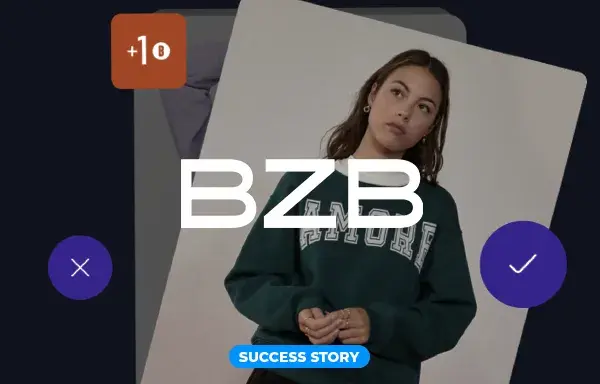
Example: The Bizzbee video competition

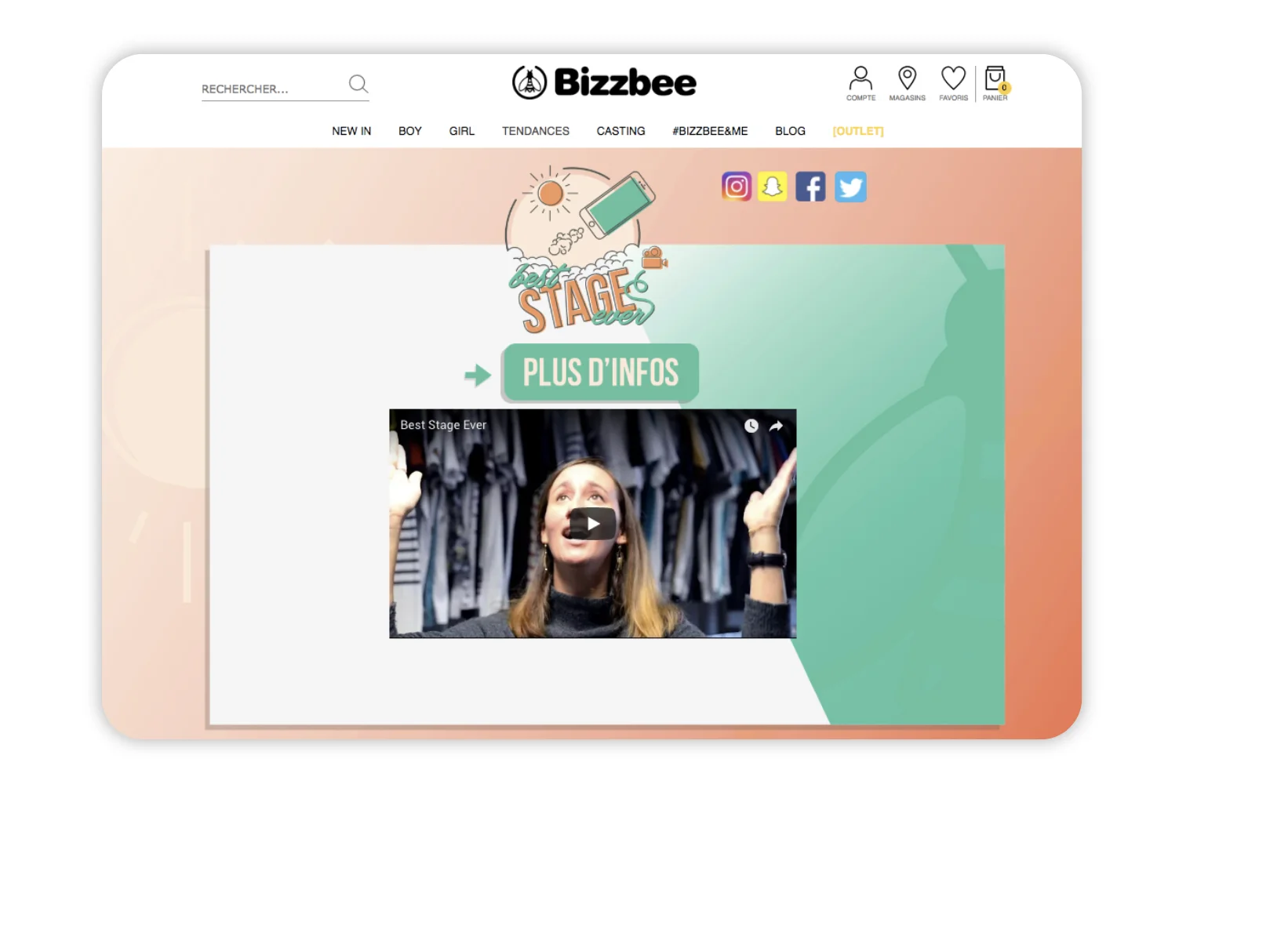
The Bizzbee brand proposed a simple challenge: submit your application on video, as originally as possible, and post it on the social networks to gather as many votes as possible from the Bizzbee community. The prize was a CM internship in the social media team and a great atmosphere guaranteed.

BZB challenge

3. Games as a means of engaging and motivating employees

Gamification is also a particularly effective way of engaging employees and building loyalty. In this way, employers can gamify their internal development processes, along the lines of their loyalty programmes. This system, which can include elements such as points and levels, will make it possible to offer teams greater recognition, reward them for their achievements and give them a transparent view of their career development possibilities.

Edutainment, or learning by playing, also shows the relevance of integrating gamification into vocational training.Employees gain skills while having fun, and have the feeling that they are growing with the company. But games can also be used to celebrate the organisation’s high points (anniversaries, new product launches) and to unite teams around fun experiences ( sports games, creative competitions, solidarity challenges, etc.

Example: DPD’s Catch All for the Davis Cup

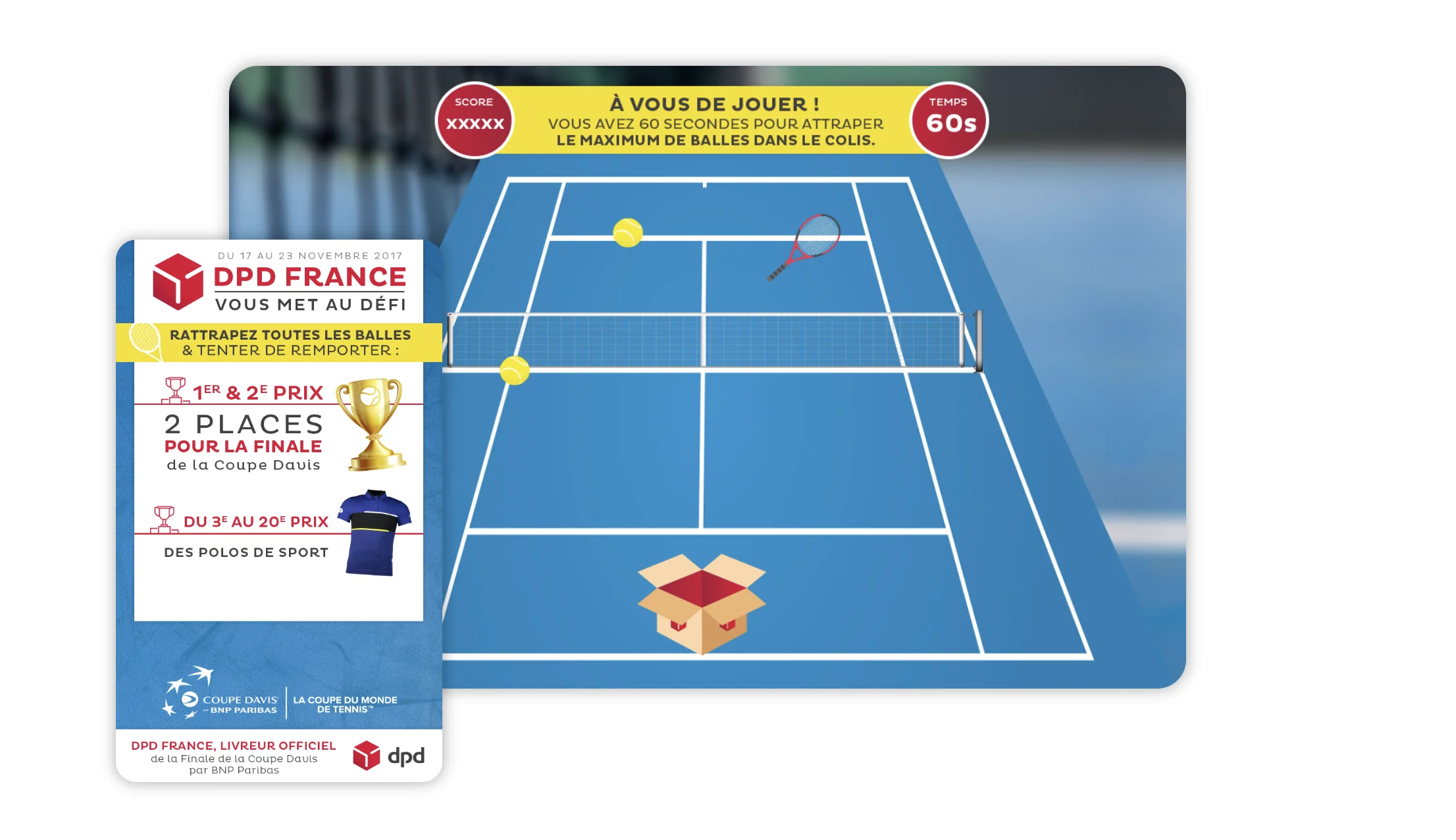
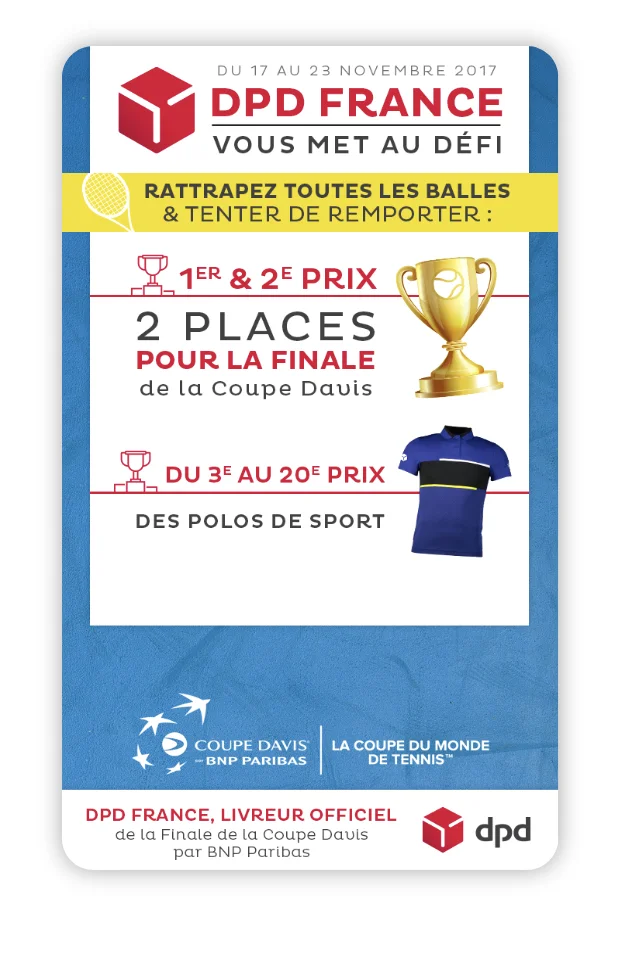
DPD has set up a ‘Catch-all’ game
to engage and motivate its employees during the Davis Cup. It was a great success, with over 6,000 games played. The operation was a resounding success, with over 6,000 games played, reinforcing internal cohesion and enthusiasm around this sporting event.

DPD catch all
DPD - catch all employer brand

Conclusion

Gamifying your employer brand is an excellent way of boosting your company’s appeal and better engaging your candidates and employees. Discover
our catalogue of playful mechanisms to optimise your employer value proposition and consolidate your internal culture!

In 30 minutes, we show you how to launch your own high-performance interactive marketing campaign

Reinforcing corporate communication through gamification

Reinforcing corporate communication through gamification

According to a Gallup study, only 13% of employees worldwide feel involved in their work. A statistic that underlines the urgent need to improve corporate communication, both internal and external, and human interaction within organisations, particularly by adopting innovative approaches such as gamification.

Traditional methods of corporate communication are now coming up against major challenges. They are no longer adapted to new communication flows, new ways of working (notably with the rise of teleworking) or new consumer expectations of brands. This can lead to a gradual disengagement of its audience, both internally and externally, and thus to a decline in the productivity and attractiveness of organisations.

Gamification offers an effective solution to these challenges. By introducing interactive and playful mechanisms into its corporate communications, the company can better address the expectations of its various stakeholders and strengthen their attachment to the group.

Here are some tips and practical examples of how to use gamification as a tool to transform your corporate communications.

What is corporate communication?

Corporate communication encompasses all of an organisation’s communications aimed at both its internal and external stakeholders. It includes marketing campaigns aimed at the company’s customers, as well as exchanges with external partners (suppliers, investors) and, of course, employees/applicants.

Business communication is therefore a major challenge for organisations, enabling them to maintain good relations and transparent communication with all their stakeholders.

The various forms of corporate communication include :

  • Public relations: to raise your profile, strengthen your branding or improve your reputation both internally and externally;
  • Crisis communication: to manage the problems the company may encounter, reassure its partners and guarantee its future, etc.

What are the key issues in corporate communications?

Corporate communication is a major challenge for companies. It plays an essential role in all aspects of a company’s business and plays an active part in maintaining its attractiveness and therefore its profitability.

The main challenges in corporate communications include :

  • Building and maintaining a solid reputation and a strong brand identity. Corporate communications help shape the way we perceive an organisation. It helps to differentiate a brand from its competitors and therefore to strengthen its credibility with all its stakeholders.

  • Improving employee commitment and satisfaction. Internally, corporate communication fosters a good corporate culture. It enables the company to communicate its vision, values and objectives more effectively. It is therefore a good lever for mobilising and motivating your teams and strengthening their attachment to the company.

  • Managing crises and change effectively. Corporate communication is essential for managing any crisis or change likely to affect the organisation. Properly orchestrated, it can mitigate the negative impact of problems encountered by the company, reassure customers and mobilise employees to resolve the crisis or adapt smoothly to change.

  • Strengthening relationships and partnerships with stakeholders. Finally, corporate communication encourages collaboration with all our partners, from customers to suppliers and, of course, employees. It allows us to share information, but also to better understand their needs and respond to them in a timely and relevant manner.

Gamification to boost corporate communications

Gamification, or the introduction of game elements, is an excellent way of boosting corporate communications. The interactive, playful aspect of gamification enables organisations to better capture the attention of their various audiences, engaging them effectively and enhancing their brand image.

Gamification to add power to messages

Companies now have a wide range of channels for communicating with their internal and external stakeholders. They can use email, their website or application, but also social networks to transmit information to their target audiences.

The whole point of the game is to capture consumers’ attention and give these messages greater impact. The interaction and the original way in which the message is conveyed mean that the information is much more strongly and sustainably integrated.

Games also improve message retention, making them more memorable. For example, employees are more likely to remember the organisation’s strategic objectives if they are shared via a playable format such as a Quiz.

The game mechanics can also be used to apply this new knowledge in a fun way (on the ongoing transformation of the organisation or its CSR policy, for example). To do this, the company could offer a Game of Differences, a Memory game or even launch a QWL challenge.

Example: DPD’s Zero Waste Quiz

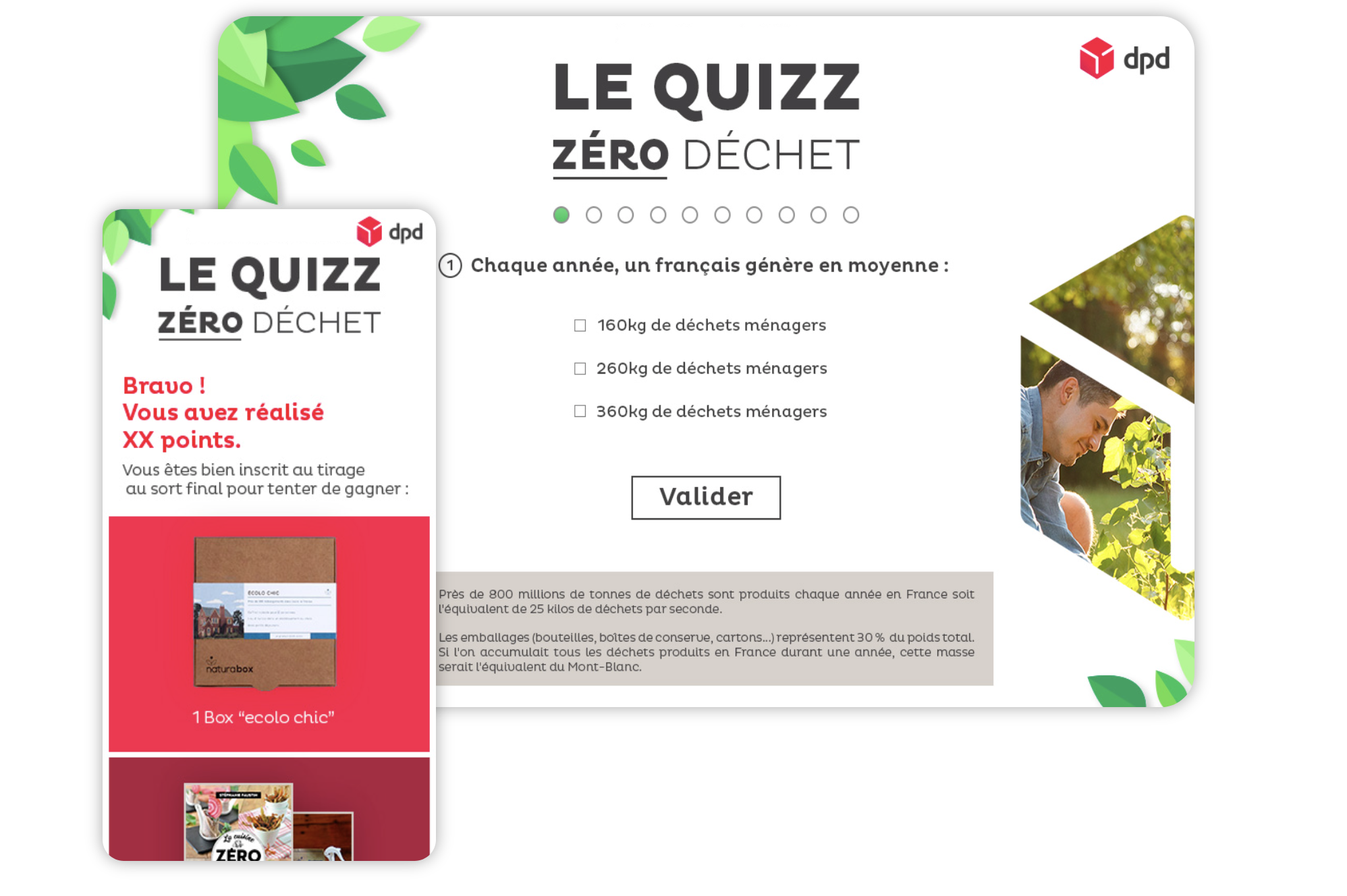
DPD offered its employees a quiz designed to raise awareness of waste reduction. The aim of the operation was to tackle this sensitive subject in a fun and light-hearted way. Thanks to this corporate communication initiative, participants could win prizes (boxes, zero waste kits), reinforcing the commitment to this internal awareness-raising campaign.

DPD - zero waste quiz - corporate communication

Promote the brand to candidates, employees and business partners

Gamification also makes it possible to offer a different kind of corporate communication and therefore to focus the attention of audiences on the company. Gamification offers the ability to make your brand more visible on the market, more attractive, but also more convincing.

Play mechanisms can therefore be used as part of internal training and employee development programmes. They can also be shared with external stakeholders (investors, partners) to promote the company’s innovations. With consumers, gamification can maximise the time spent with the brand (via a sports game, for example) and highlight its initiatives (sports or cultural sponsorship programmes, etc.).

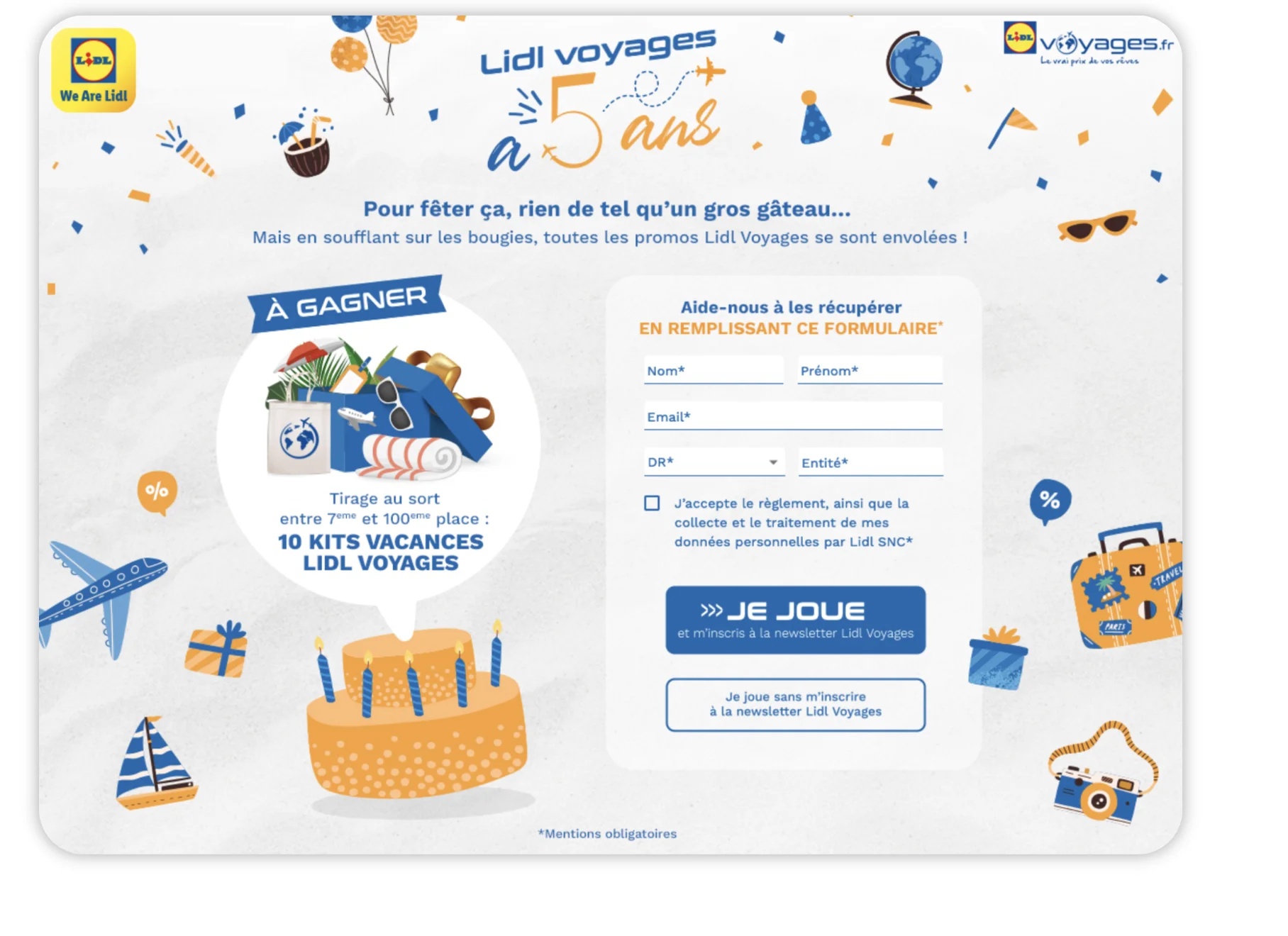
Example: The Lidl Voyage in-house game

In order to reinforce the feeling of belonging to the brand and to highlight the travel offer, Lidl set up a Tiny Wings in 3 different universes. The campaign enjoyed high levels of engagement, with over 10k games played and an average playing time of 5min 15s.

Lidl - tiny wings travel game

Boosting stakeholder engagement

Gamification makes communication media more interactive and attractive. It encourages both employees and customers to actively participate and engage with the company’s content.

For example, animations can be used to encourage stakeholder participation in company events and initiatives. Gamified communication encourages participation in activities and stimulates the involvement and enthusiasm of participants.

Overall, gamification helps to create more playful and positive working environments. It injects pleasure and fun back into daily tasks and makes the activities associated with corporate life more enjoyable and rewarding. By offering attractive prizes, the company also helps its partners to feel valued and motivated.

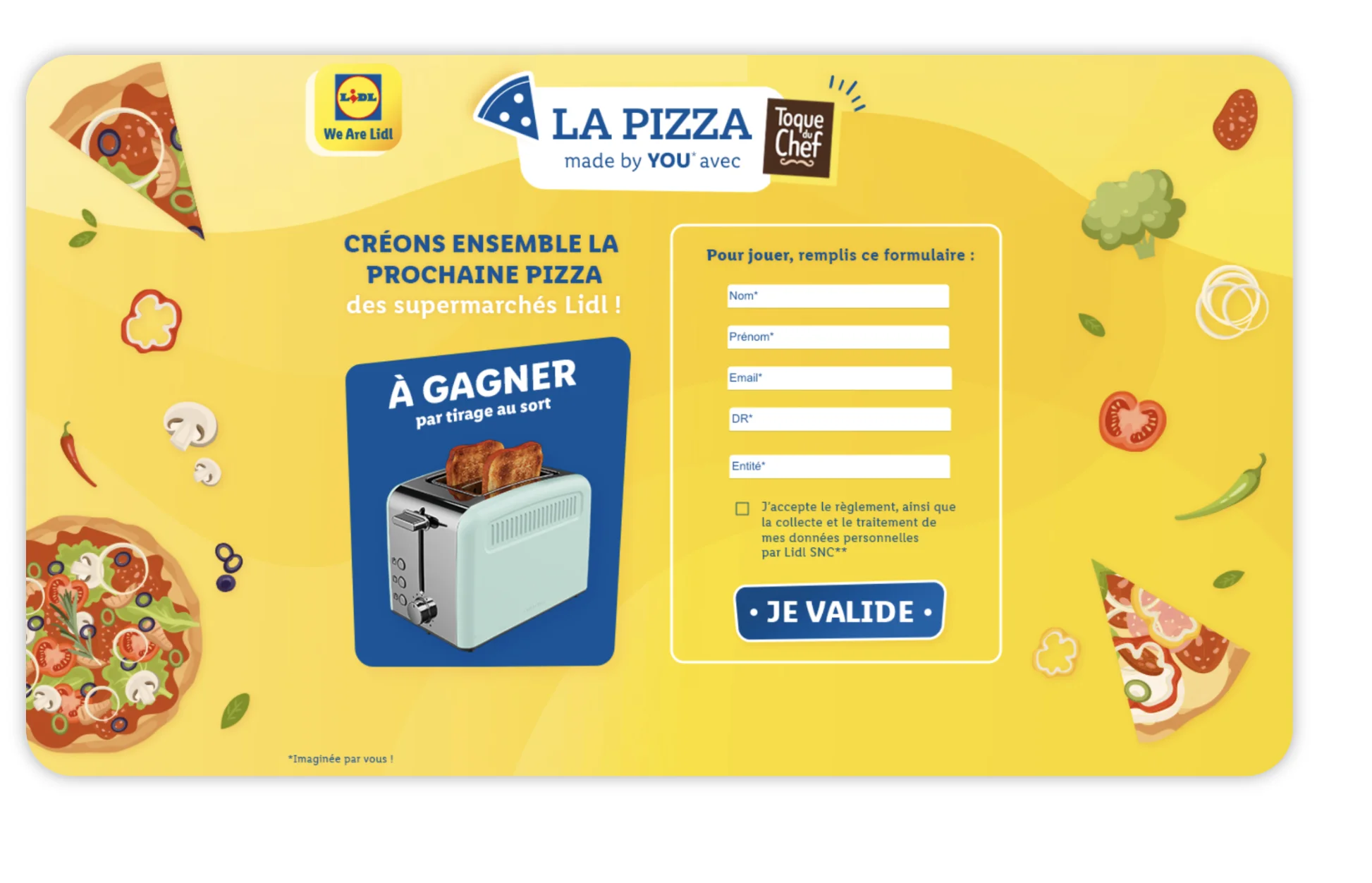
Example: Lidl’s Made by you Pizza

Lidl asked its employees to create the brand’s next pizza using a voting mechanism. The activation engaged Lidl employees, who generated 21.6k votes throughout the campaign.

Lidl - pizza made by you

Conclusion

Gamification is a powerful way of boosting your corporate communications? Whether you want to communicate with your internal or external stakeholders, marketing games are extremely effective at capturing attention and engaging with your brand. Discover our interactive gamification mechanisms and tailor them to your corporate culture and strategic objectives!

In 30 minutes, we show you how to launch your own high-performance interactive marketing campaign

What is influencer marketing? Benefits, techniques

What is influencer marketing? Benefits, techniques

In a context where consumers are constantly exposed to promotional messages, brands need to redouble their creativity to engage their audience and stand out from their competitors. Influencer marketing offers many effective ways of doing this.

To the question of what is influencer marketing? The first obvious answer is that this digital strategy is unavoidable. According to a recent study, the global influence market is now worth more than 16 billion dollars. Et collaborer avec des créateurs de contenu est donc un levier indispensable pour humaniser sa marque, créer une connexion authentique avec son public et toucher une audience plus large.

However, this strategy also presents a number of challenges. Influencer marketing is constantly evolving to meet consumers’ expectations of proximity and interaction. But it also needs to equip itself with more powerful tools to better measure the performance of campaigns and personalise them as much as possible.

Gamification, the integration of playful elements into influencer marketing, is an excellent way of meeting these challenges.. Dans cet article, on s’intéresse donc aux avantages de cette stratégie et aux différents outils interactifs pour en booster les performances.

What is influencer marketing?

Influencer marketing is a strategy in which brands collaborate with content creators, mainly on social networks. Influencers are personalities who have managed to build up an online audience, generally by specialising in a particular content niche and creating links with their followers.

This closeness to their audience and ability to create native content on social networks are two particularly strategic levers for companies. By co-creating campaigns with influencers, brands can reach a wider audience that is potentially interested in their products or services. Content creators also act as ambassadors, embodying the brand and its values, giving it an image that is more authentic and closer to its audience.

An integral part of any influencer marketing strategy is therefore to identify content creators whose interests, tone and values are close to those of the company (as in a co-branding strategy). In this way, companies can ensure they are reaching the right audience, maintaining consistency in their communications and highlighting their world and value proposition.

The benefits of influencer marketing for brands

Influencer marketing can be an incredibly powerful marketing tool for brands, whatever their reputation, sector of activity or objectives. According to a recent report on the subject, almost half of consumers (49%) make a purchase at least once a month after being exposed to influencer publications. And almost all shoppers (86%) say they make a purchase following recommendations from a content creator at least once a year.

The main reasons for influencer marketing include :

Increase brand awareness

Working with influencers enables companies to reach a wider, highly qualified audience. By sharing campaigns about a brand, content creators help to raise awareness of the brand among new people or improve its image. This is how, for example, influencer Léna Situations has modernised the image of the Jennyfer brand.

Target the audience for your marketing campaigns more effectively

Influencer marketing helps brands to precisely target their audience. The key is to work with a creator whose community matches the characteristics (demographic or behavioural) of the company’s target audience. So it’s an excellent way of ensuring that your message reaches the right people and is delivered in a way that resonates with your audience (making the campaign more impactful).

Achieve higher conversion rates

Social proof is a powerful conversion factor. Consumers are more likely to buy a product if it has been recommended to them by someone they trust (and not by the brand itself, through traditional advertising). What’s more, influencers have mastered the codes of content creation on social networks. As a result, their publications are better integrated into users’ news feeds, making them more likely to capture their attention and generate conversions.

Create a more authentic and trusting relationship with your audience

Influencers also enable brands to humanise their communications and create a more authentic connection with consumers. They will create credible content that will enable their followers to better understand their brand. identify the strengths of a product or service and the different ways in which it can be used. Their shared experience, which is less formatted and more spontaneous, is also more likely to generate trust (and therefore conversion and loyalty) than a traditional promotional campaign.

benefits of influencer marketing

How to gamify influencer marketing campaigns

Le marketing d’influence est une stratégie puissante pour atteindre et convertir son public cible. Mais c’est aussi devenu une arène publicitaire ultra compétitive dans laquelle les marques doivent redoubler d’efforts pour convaincre les créateurs de collaborer avec elles et capter l’attention de leurs abonnés. 

La gamification en marketing est un levier qui permet de booster les performances d’une campagne de plusieurs manières. Cette technique peut par exemple être utilisée pour motiver les influenceurs et valoriser leur contenu. Les entreprises peuvent ainsi gamifier leur programme d’influence (ou d’ambassadeurs) de la même manière qu’un programme fidélité. Les créateurs qui génèrent le plus de vente peuvent ainsi cumuler des points, atteindre de nouveaux paliers et bénéficier d’avantages spécifiques (goodies, une commission plus élevées sur chaque vente, des accès aux backstages de la marque). 

Exemple recrutement gamification

Mais la gamification permet surtout de capter plus facilement l’attention des audiences et de stimuler leur engagement. En créant des campagnes plus ludiques, sous forme de concours créatifs ou de jeux marketing, les entreprises et les influenceurs peuvent en effet encourager les utilisateurs à interagir avec eux et booster la viralité de leur contenu.

Les mécaniques jouables propres à la gamification sont aussi un excellent moyen d’augmenter les interactions des abonnés avec la campagne. C’est donc un puissant levier pour collecter plus de données zéro-party et ainsi mieux comprendre les besoins et attentes de son audience. A partir de cette data, l’entreprise pourra ensuite créer des campagnes encore plus personnalisées, et donc beaucoup plus engageantes !

Conclusion

Gamification is an excellent way of creating even more effective influencer marketing campaigns. To engage the creators you work with and their audience, don’t hesitate to integrate interactive mechanisms into your content. Discover our catalog of marketing games and boost your influencer strategy!

In just 30 minutes, we’ll show you how to launch your own high-performance interactive marketing campaign.