
Drive to store: 4 strategies to better in-store conversions

Drive to store: 4 strategies to better in-store conversions

Consumer habits have changed, particularly with the spread of e-commerce and the increase in online sales. The way in which brands reach, engage and retain their customers must therefore adapt to these new practices. One of the most crucial challenges for companies is to increase in-store traffic, in particular through drive to store campaigns.

These are an integral part of the harmonisation of the online and offline shopping journeys. In an increasingly omnichannel world, brands need to be able to engage and convert customers both in-store and online.

In this article, we present the 4 most effective strategies for attracting consumers to your shops and converting them into loyal customers.

What is drive to store in marketing?

Drive-to-store is a set of marketing strategies designed to attract online customers to physical shops. It’s an omnichannel approach that combines consumer geolocation, recommendation of the nearest point of sale and optimisation of the retail experience.

While consumer habits have tended to go digital during the pandemic, in-store shopping is not yet a thing of the past. Customers continue to embrace the retail experience, whether to discover the world of a brand, test its products, or return or exchange an order placed online.

Drive to store is therefore a central element of modern marketing, and this despite the fact that 62% of consumers say they will refuse to buy from a brand if it has no online presence. The discovery stage is increasingly carried out via digital channels, but physical purchasing has not said its last word.

A recent study shows that 72% of people who carry out a local search online will go to a shop located less than 8 kilometres away of their current location. This underlines the importance of an active online presence in redirecting qualified prospects to your points of sale.

What’s more, 28% of all local searches result in a purchase. A comprehensive omnichannel promotional campaign – one that harnesses the power of multiple channels – can help businesses attract visitors to their physical shops and generate more retail conversions.

What are the most effective strategies for a drive-to-store campaign?

An effective drive-in-store campaign therefore involves using a mix of digital and physical tools to attract and convert customers in-store. Here are the most effective ways of achieving this.


1. Localised advertising campaigns

The particularity of Drive to Store is that, to be effective, this marketing strategy needs to target consumers who live or are located close to a point of sale. Qualifying prospects is therefore a crucial element in maximising the ROI of your media budget.

A good way of achieving this is to display your ads to a geolocalised audience near a physical shop. Social networks such as Facebook, for example, have developed advertising targeting tools specifically for Drive to store. This is the case with Meta’s Store Traffic objective, which redirects users from an advertising insert to a physical point of sale.

Referencing your shops on Google Maps is another essential lever in any successful drive-to-store strategy. 86% of consumers use Google Maps to find local businesses.

2. Offer Click & Collect

The Click&Collect principle is simple. It consists of offering customers collect their online order from the nearest shop. The main advantage of this strategy is that it offers an alternative to home deliveries, which can occur when the customer is not at home. It is also a good way for consumers to save on postage costs.

For the brand, encouraging a customer who has already been won over (because they have just bought from the brand) in-store is beneficial in a number of ways. It’s an opportunity to strengthen its links with the company by immersing them in their world. This approach can also play a part in the post-purchase conversion strategy by recommending complementary offers to customers in shop.

3. Offer exceptional discounts to in-store customers

Offering exclusive discounts to consumers in-store is a simple but effective way of boosting your drive-to-store strategy.. Les soldes disponibles uniquement en retail, mais aussi les opérations de déstockage sont d’excellents leviers pour attirer ses clients dans un point de vente physique.

4. Gamification to maximise in-store conversions

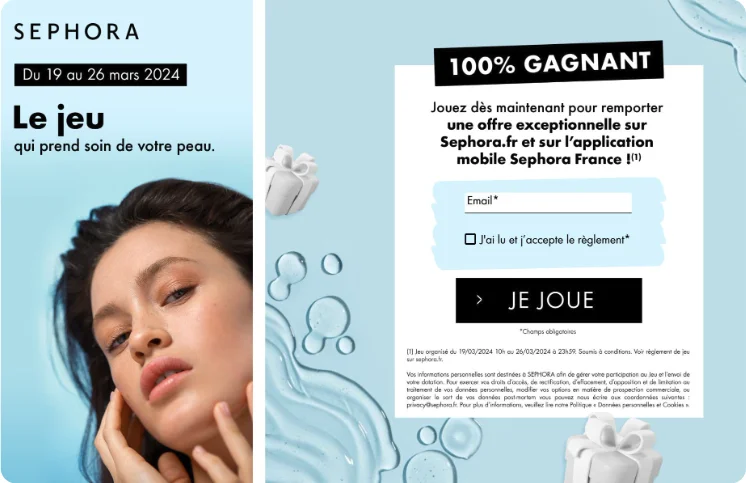
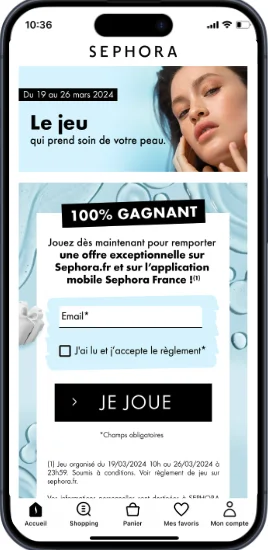
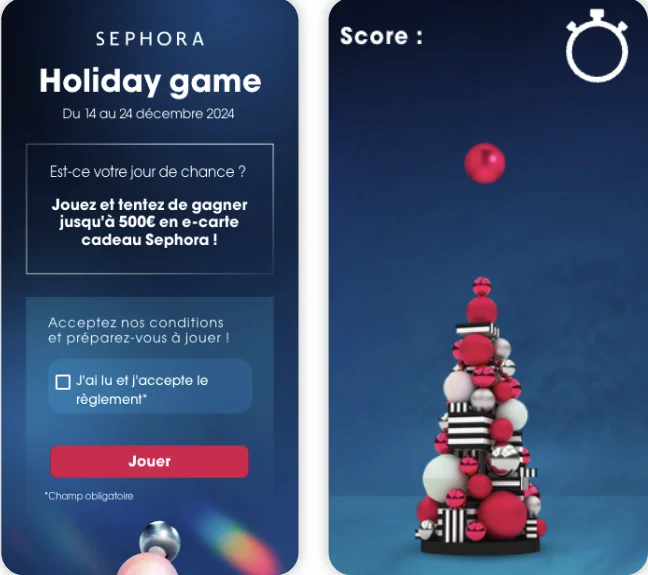
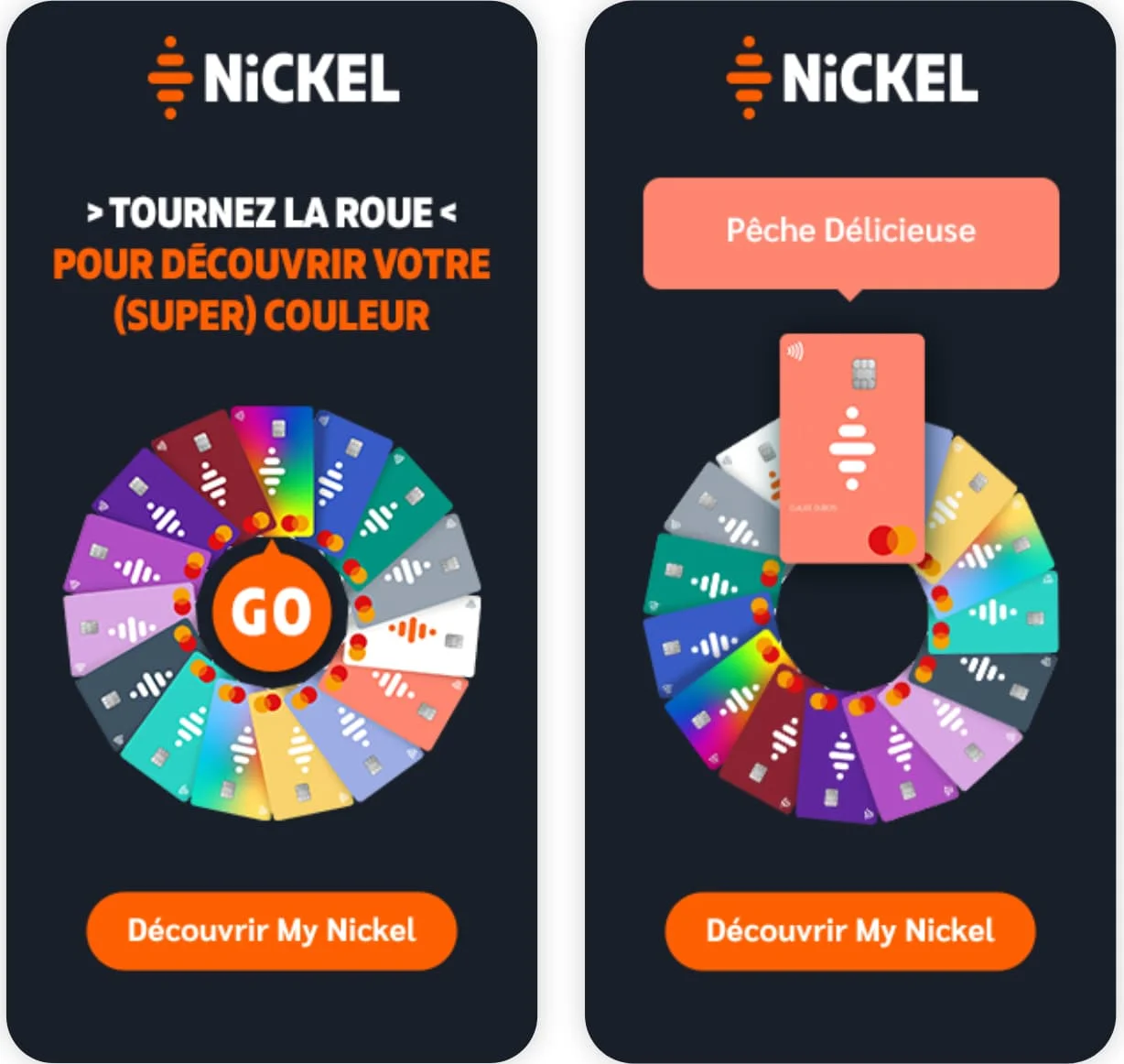
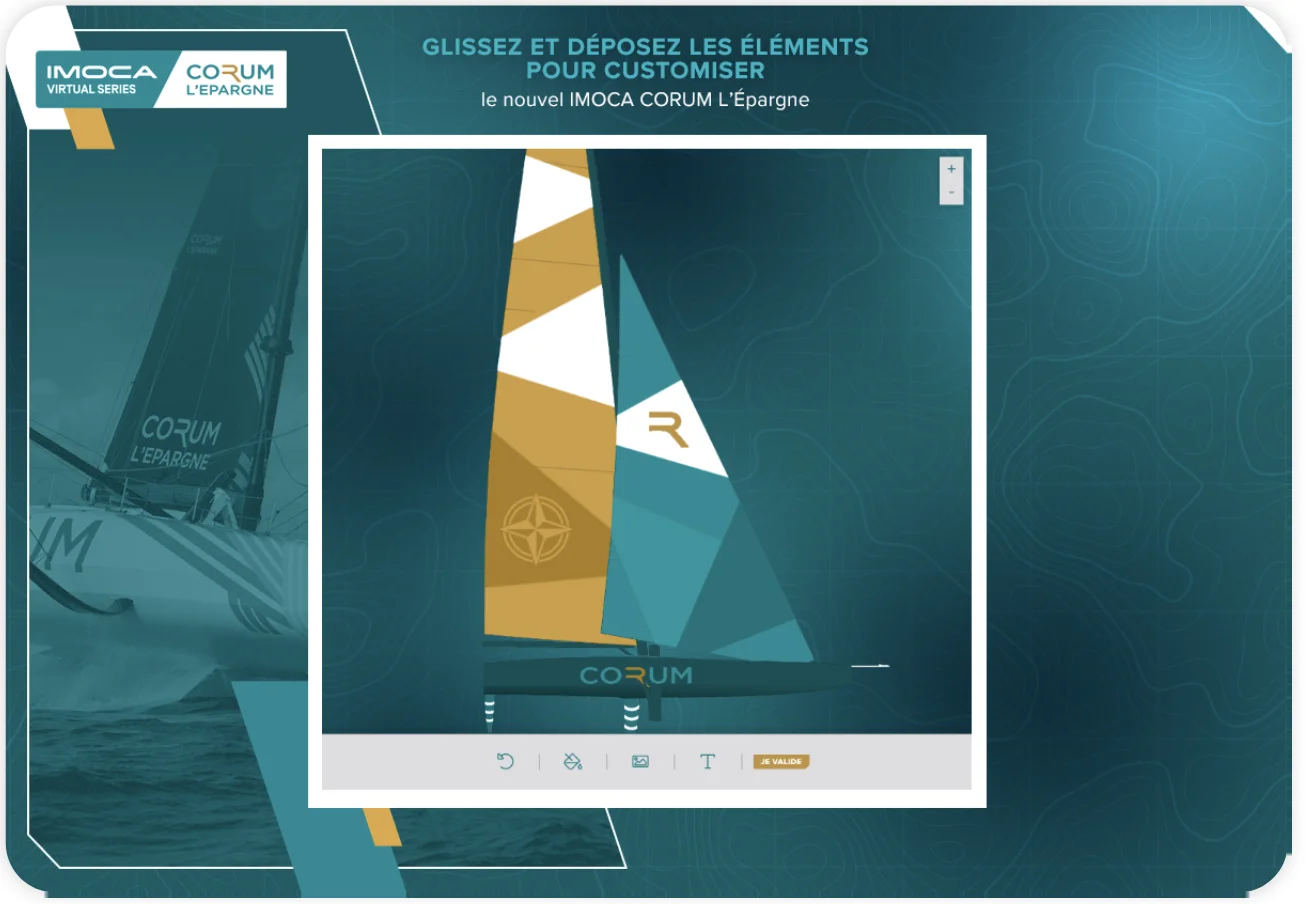
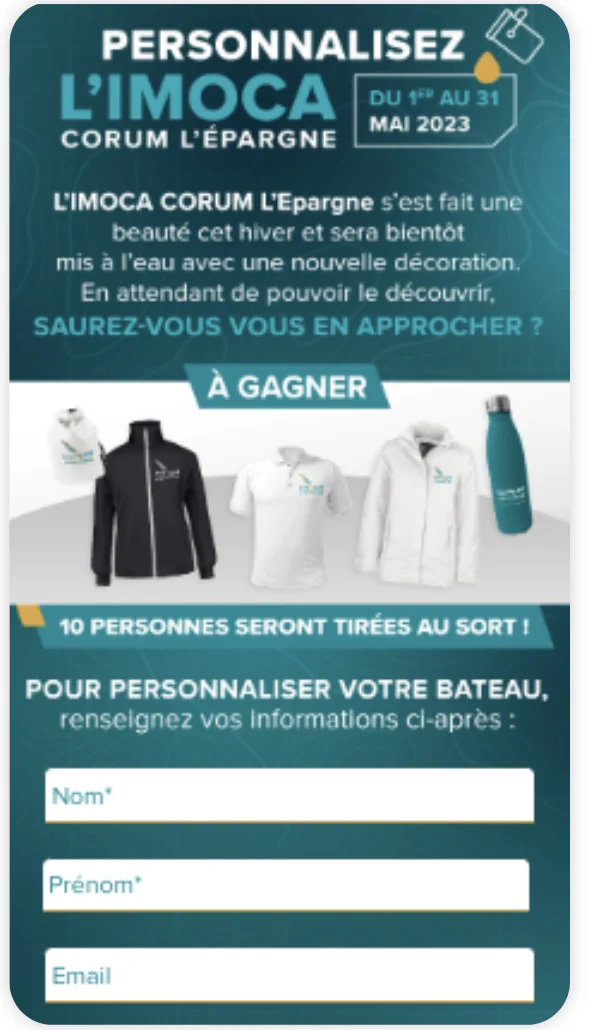
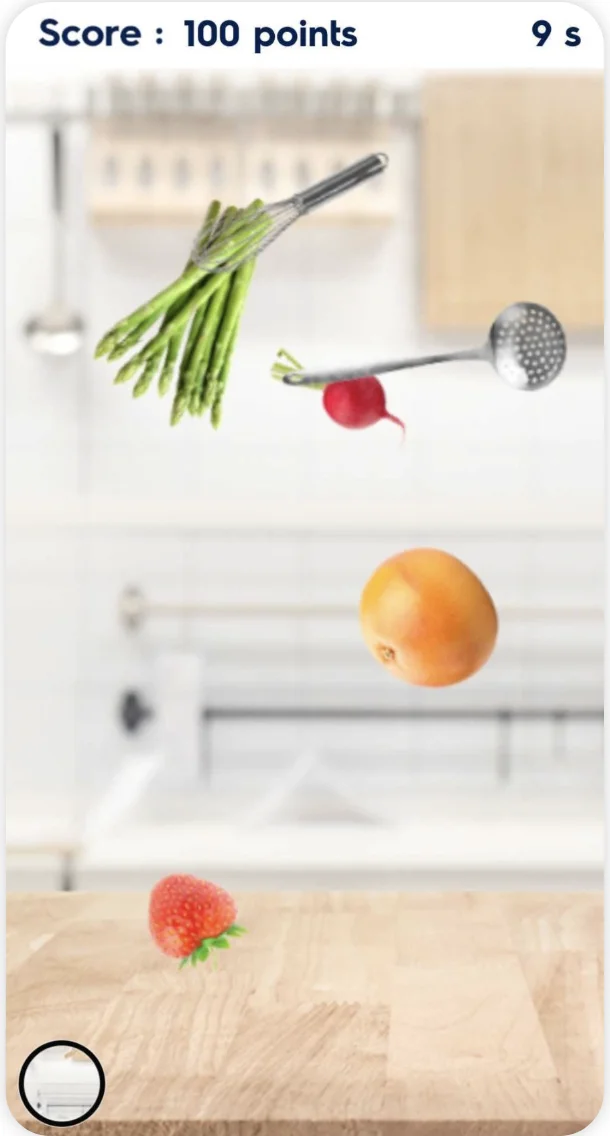
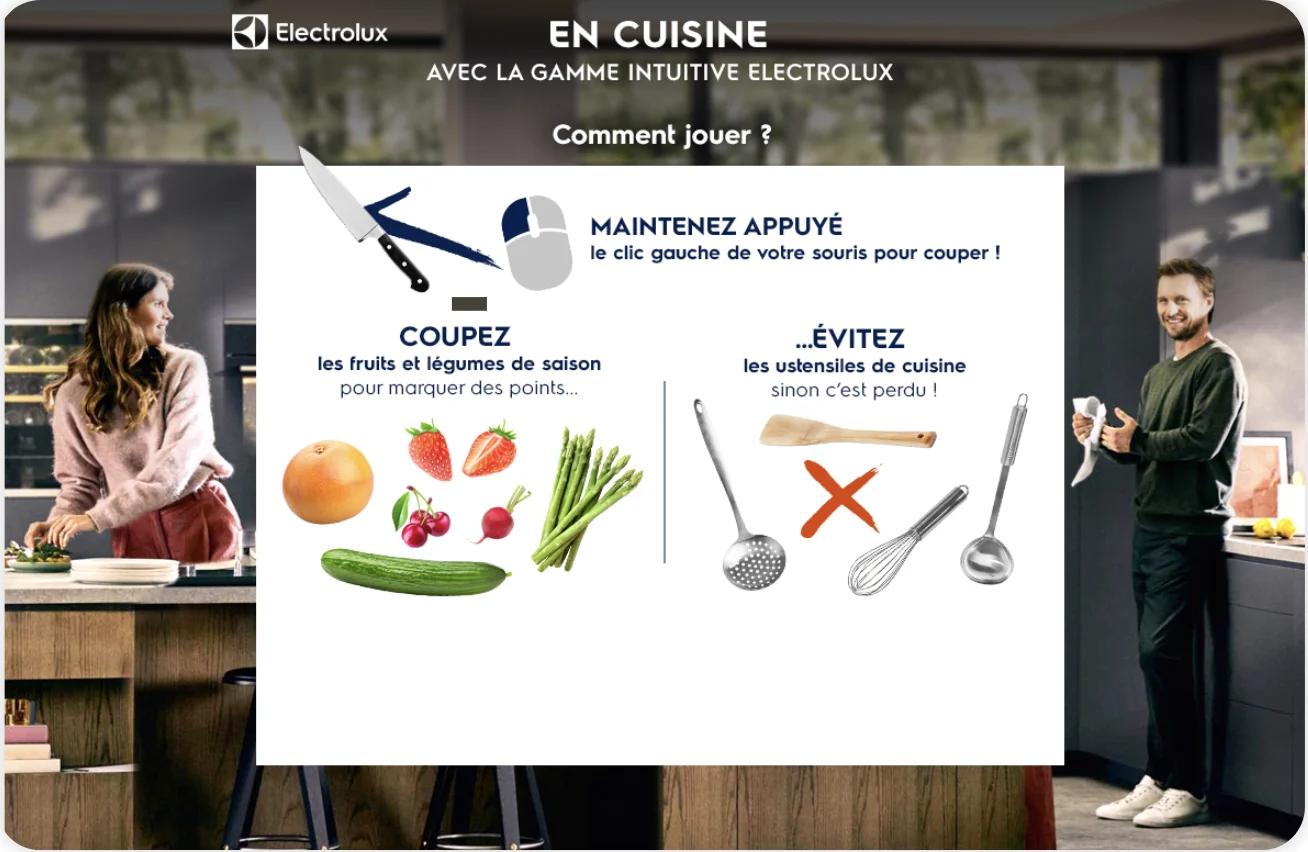
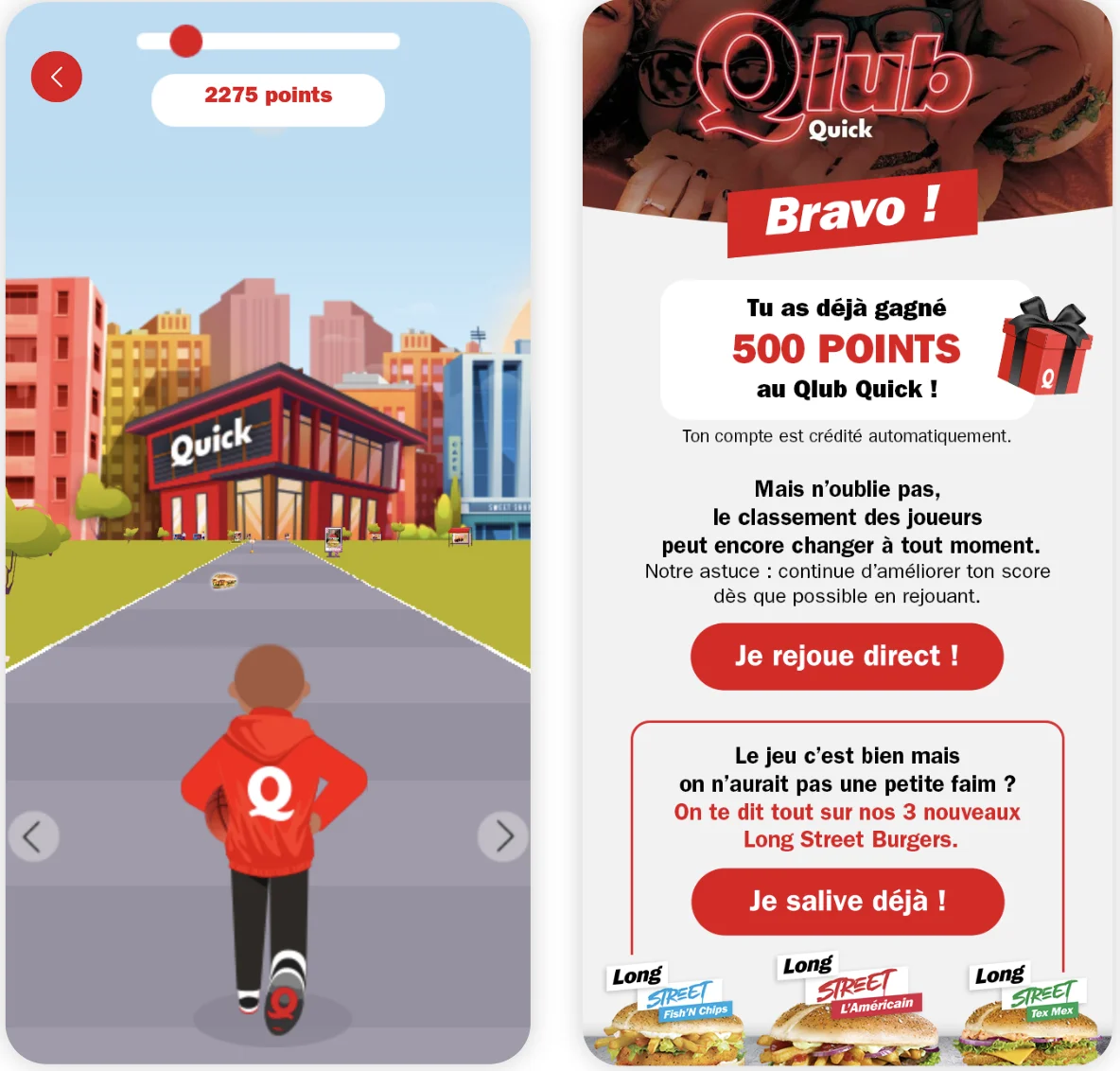
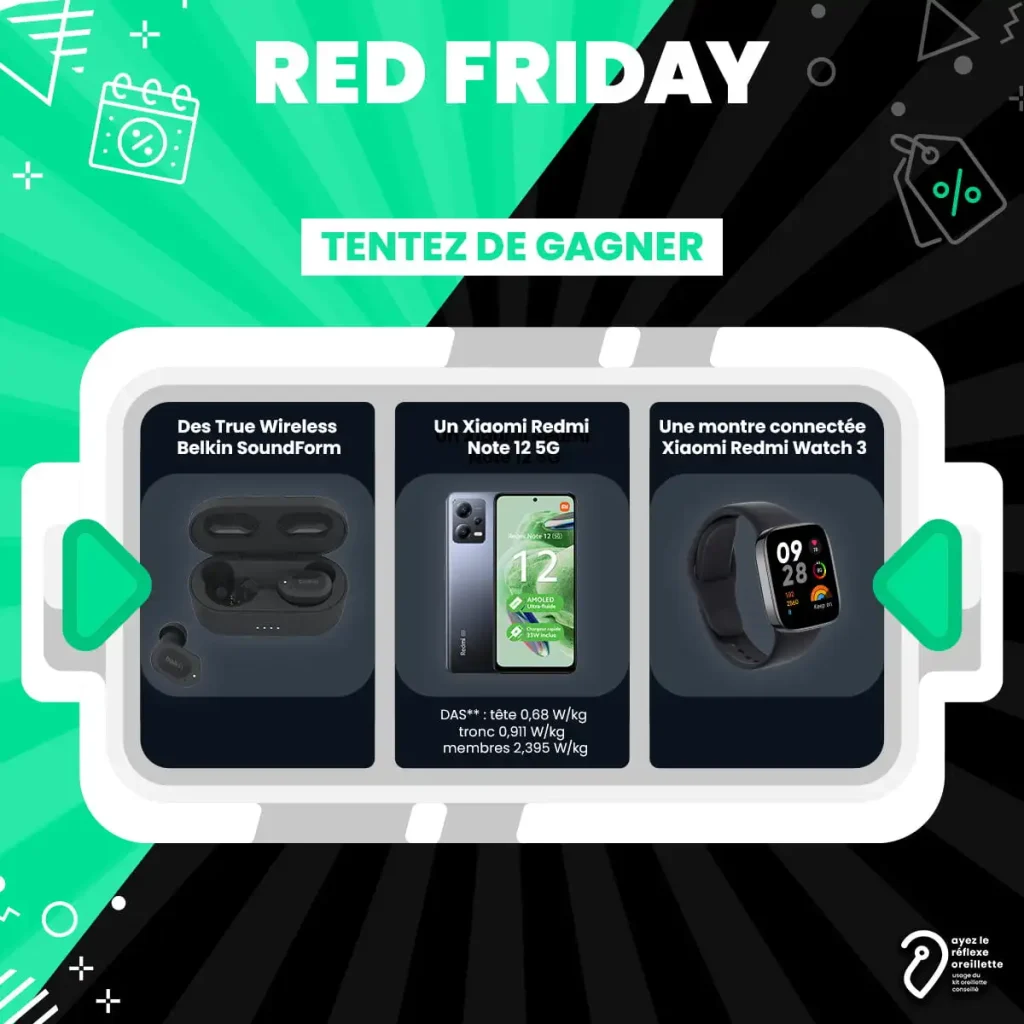
Playable marketing is another excellent way of attracting consumers to the shop, but also to convert them. Broadcast online, an interactive game can, for example, enable participants to win discount or purchase vouchers that are only valid in-store.

But gamification can also be used as a lever for visibility and conversion in a physical point of sale. Whether in the form of a digital interactive terminal or tablets available at the checkout, these phygital devices make the in-store experience more attractive and fun.

Here again, it’s the opportunity to win rewards via an in-store competition that will encourage consumers to enter the point of sale and interact with the brand. Not to mention that, for the brand, it’s an excellent way of collect qualified data. It will then be able to use this data to optimise its future digital drive-to-store campaigns.

Best practice for a successful drive to store campaign

Let’s move on to the practical side. To boost the impact of a Drive to Store strategy, here’s some advice to apply before, during and after the campaign.

    Before the campaign

    • Targeting the right audiences based on their geolocation to boost its conversion rate. Brands should start by drawing up a list of their points of sale so that they can target the right audience. Note that it is important to consider a radius that encompasses a reasonable walking or driving time.
    • Use attractive creative formats to capture consumers’ attention. Providing relevant information from the nearest shop also boosts the impact of the Drive to store campaign.
    • Define the right attribution window (i.e. the length of the period taken into account before conversion, during which the contribution of marketing contact points is collected and analysed). A window of between 15 and 30 days, for example, enables you to monitor footfall in your shops and therefore focus on the most effective advertising channels.

      During the campaign

      Dive into granular reports. The success of a Drive to Store campaign can mean different things to different advertisers. Granular reporting tools make it possible to drill down into the data that is relevant to the brand, depending on whether it just wants to increase traffic, convert new customers, increase its re-purchase rate, build customer loyalty or build its audience.

      After the campaign

      Measure conversions in real time. This makes it possible to focus on 3 key KPIs: the improvement factor (i.e. the probability that a visit to a shop is motivated by the Drive to store campaign), the percentage of exposure and, in particular, the percentage of incremental visits.

      Conclusion

      The Drive to Store strategy is therefore the cornerstone for brands wishing to activate their prospects and customers across all their channels, both digital and physical. One of the most effective tools for strengthening the omnichannel customer journey is gamification. Discover our interactive mechanisms to increase the visibility and appeal of your points of sale.

      In just 30 minutes, we’ll show you how to launch your own high-performance interactive marketing campaign.

      Maximising conversions: 4 effective methods

      Maximising conversions: 4 effective methods

      In the context of a marketing strategy, the issue of conversion is crucial. Indeed, to convert means to achieve a set goal. This goal varies depending on the activities. Maximising conversions can mean boosting sales or increasing foot traffic in stores.

      Today, marketing teams must be increasingly resourceful to achieve their conversion goals. The volatility of visitors makes the issue of retention very challenging. Advertising saturation distorts the online commerce landscape. These are just a few of the challenges that must be overcome to ensue a step-by-step response to the main conversion issues.

      In this article, we invite you to discover four effective methods to maximise conversions while standing out from the competition.

      Boost revenue with promotional codes

      Catch the attention: a strategic challenge

      Opportunities to generate visibility and boost traffic towards a website, store, are numerous. In fact, the launch of a product, a new collection, private sales, a brand or seasonal highlight can be part of this.

      In the current contest of advertising saturation, successfully capturing attention of potential customers who arrive on a page is a strategic challenge. Next comes the question of increasing the time spent on the page. It is possible to draw them in with an advertising campaign to which they are not accustomed. For this type of objective, the interactive formats prove to be an excellent compromise between originality and ease of implementation.

      The first method, the simpliest to conceptualize and implement, is a campaign broadcasted on the brand’s communication channels (social media, newsletter, etc.). To access it, the visitor is redirected to the homepage or a page on the website. On this page a competition game mechanism is set up. Allowing, for example, participants to try and win a discount voucher to be used immediately on the site (instant win system). This type of operation allows influencing the purchasing act and therefore maximizing sales.

      Media coverage for campaigns

      It is possible to go even further in performance through the mediatisation of these marketing campaigns on social media. With a boost in post visibility, personalised targeting, etc.

      Here are some examples of inspiring marketing campaigns that have allowed brands to achieve their conversion goals.

      The brand TAO (Tape à l’oeil) chose to offer a Wheel of Fortune. To celebrate its 29th anniversary. It was an opportunity to reward everyone with a 100% winning instant win game. The vouchers offered at the end of the campaign promote traffic to the site and impulsive purchases.

      As for Aushopping, the choice was made around the back-to-school season to engage their audiences with a Catch All and a scratch card game. It was about winning gift cards instantly. The brand was able to collect qualified data to activate throughout the year while spending time with visitors.

      Focus on post-purchase to drive even more sales

      Capturing leads through an attractive marketing operation engages the participant in a process of commitment from which both the participant and the brand benefit. Engagement is a twofold concept. Involving a prospect in a marketing interaction allows them to regain their decision-making power (for the donation of their time and personal data), while also offering them a reward.

      How to influence purchasing journeys in a less intrusive way?

      By transforming a passive visitor into an active lead who may or may not engage in the advertising campaign. From the brand’s perspective, engagement directly serves conversion (impulse purchases collect zero-party data which is the “clean gold” of tomorow’s marketing, through the participation form, etc.)

      For the second method, what if we told you that a marketing campaign is also very important after the purchase? When we imagine having to scan your the receipt at a kiosk upon leaving the store to win gift vouchers, it resonates with everyone. And what if this type of setup could be easily installed on your website, social media, etc?

      The purchase requirement mechanic

      Leading up to Easter, Lindt decided to launch a campaign focused on increasing sales. Participants were invited to enter the code printed under their chocolate bunny into a form. The brand was able to offer attractive prizes to some lucky owners of the golden bunny. Players could also choose not to enter a code and simply play a game Hiden Object to return later with their bunny and their code. This purchase-required mechanic allowed the recruitment of nearly 40,000 participants, with 8,000 codes used. This results in a conversion rate of 20%!

      You don’t sale golden bunnies? No worries, the code can simply be printed on receipts, flyer, etc.

      In a slightly different concept, Flunch offered a 100% winning campaign with an original concept. Participants could play a one-armed bandit to win a voucher and discount tickets for drinks or other products. Once at the checkout, they could retrieve a code that allowed them to enter a draw to win a trip to a sunny destination. The game enabled the brand to boost its sales by creating a desire to purchase.

      Marketing automation: adding interactivity to sequences

      The email automation at the center of marketing strategies, is often perceived by audiences as an intrusive advertising process. However, email remains the preferred communication channel between brands and consumers for the French! It is essential to offer more impactful emails that stand out from the competition.

      To introduce this third method, we invite you to discover some scenarios to maximize conversions through marketing automation.

      Focus on engaging scenarios

      In a strategy for onboarding new scenarios for example, it is interesting to include impactful elements, such as scratch-off promo codes to be used for the first time purchase, in welcome emails.

      It is also possible to include a fun personality quiz in emails that collects product preferences (stored directly in a CRM). At the end of the operation, it will be possible to distribute promo codes to encourage purchases. This allows for automatic customer loyalty management. Some solutions allow for retargeting emails to be sent directly through the platform. This provides brands with a complete system connected to their CRMs, and fully automated.

      Indeed, as for customer loyalty, it is a long-term process. It helps boost sales throughout the year (customer birthdays, post-purchase operations, private sales, etc.).

      Here is an example of an automated marketing campaign that puts gaming at the heart of the initiative:

      At DejBox, once the order is placed, the customer automatically receives an email granting access to a game without a form (JWT technology). The objective is to encourage the customer to return after their first order, through a system of discount vouchers offered at the end of the game.

      Live Shopping: converting qualified audiences and maximising conversions

      How to refresh the formats offered to audiences in the face of the advertising saturation felt by internet users?

      To illustrate the fourth method, we invite you to discover the Live Shopping format and how it can be adapted to various marketing contexts.

      What is Live Shopping?

      Now indispensable, this new marketing format was born in 2020. In response to the course of retail locations, retailers chose interactivity to recreate the connection between consumers. This original experience addresses several issues in the retail sector today:

      • The promotion of new products in an era of advertising saturation
      • The boost in sales during increasingly frequent prootional periods, which attract less and less.
      • The restoration of the relationship with customers in the digital age, allowing for the removal of barriers to online purchasing.

      How does it works?

      1. Before the live session, we collect registrations from those interested in the brand, and the product is highlighted
      2. During the live session, we capture attention, engage the audience and make a lasting impression
      3. After the live session, we engage participants by offering them targeted content.

      A Live Shopping operation is an utlra-engaging experience. It therefore features a highly qualified audience, with a conversion rate more appealing than that of traditional channels.

      There are solutions today that can help capture qualified audiences through interactive formats. These are offered to participants during the live session (social gauges, polls, quizzes, raffles, etc.). The prizes offered at the end of the session boost registrations and help maximize conversions.

      During the live session, game formats can be integrated into the brands initiatives to collect real-time product preference data. This allows for feeding retargeting campaigns post-event. It’s an effective way to direct traffic to product pages and boost sales after the live event.

      Would you like to lean more about the strategies presented in the article to maximise conversions.