

6 Easter marketing ideas for every purpose

6 Easter marketing ideas for every purpose

Easter is one of France’s favourite holidays. According to a study by Usine Nouvelle, 45% of them take the opportunity to buy Easter chocolates. But this is not just a time for chocolate makers.

Celebrated between the end of March and the beginning of April, Easter is synonymous with the return of spring and fine weather. It’s a time of renewal. Brands can use it to boost their communications (by presenting their spring collection).

Retailers can take advantage of their audience’s attention and commitment at Easter to achieve their objectives (awareness, conversion, customer knowledge, etc.). In this article, we share 6 original Easter marketing ideas to boost your campaigns.

Easter: what are the marketing challenges?

Beyond its religious origins, Easter is popular in France. It conveys family and sharing values that brands can use to boost their communications.

Whatever their sector of activity, brands can use this marketing time to :

  • Support their customers in their purchases. It’s a convivial holiday, and retailers can take advantage of it to connect with their audience through interactive content. They can share tips and resources for decorating the home, enjoy chocolates without overdoing it, or treat their loved ones with a gift guide.

  • Entertaining your audience with fun content. Les marques peuvent se positionner sur cette date du calendrier marketing pour proposer des contenus divertissants autour de l’histoire de Pâques, de l’arrivée du printemps, etc.

  • Presenting new products. Speaking of spring, it’s a crucial time for brands to renew their catalogues. In the clothing industry, it’s the arrival of the spring/summer collections. An Easter marketing campaign can be used to present your products and encourage your audience to make a purchase.

6 ideas for Easter marketing campaigns

Easter is an event with a strong graphic identity. Chocolate eggs, bells and little rabbits are legion. To stand out from the crowd and achieve their objectives, retailers have to rival each other in originality by proposing innovative marketing formats that capture the attention of their audience.

Need some inspiration for differentiating your communications this Easter? Here are 6 original campaign ideas.

1. A Swiper collects product preferences

The quality of the customer database is a key factor in the success of a brand’s marketing strategy. A contact list that is not regularly enriched will have a negative impact on open, click and conversion rates.

The challenge for brands is to collect quality data that will enable them to understand the expectations of their prospects and customers. The Easter campaign can be used to clean up your database and segment your audience by collecting product preferences or identifying prospects.

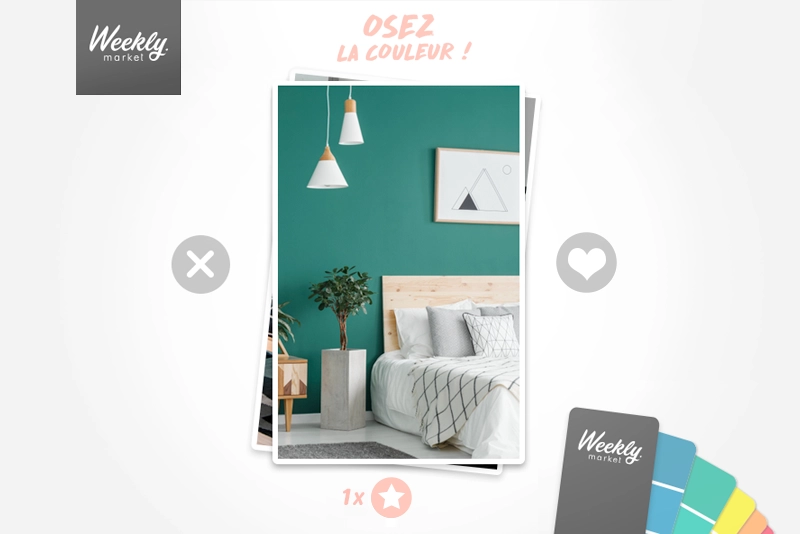
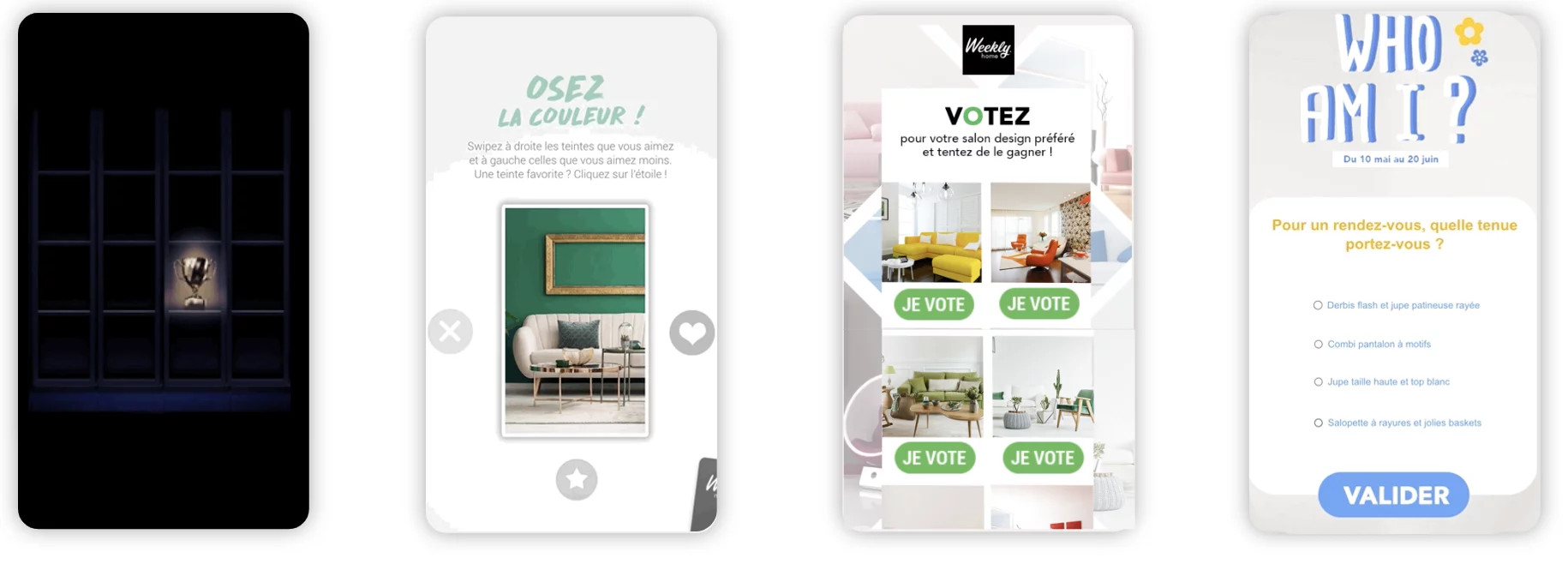
Retailers can capitalise on a gamification mechanism that facilitates customer knowledge: Swiper. This format makes it possible to test the preferences of customers (potential and current) by asking them to choose between two proposals. Using this first-party data, brands can qualify their leads and retarget them with tailored offers.

customer knowledge swiper

2. A Flappy to generate new leads

Brands are taking advantage of the consumer attention surrounding the arrival of spring to reach a wide audience and raise their profile. Gamified marketing is a lever for visibility because it allows you to stand out from the crowd with an original format. And because it captivates audiences with engaging mechanics and attractive prizes.

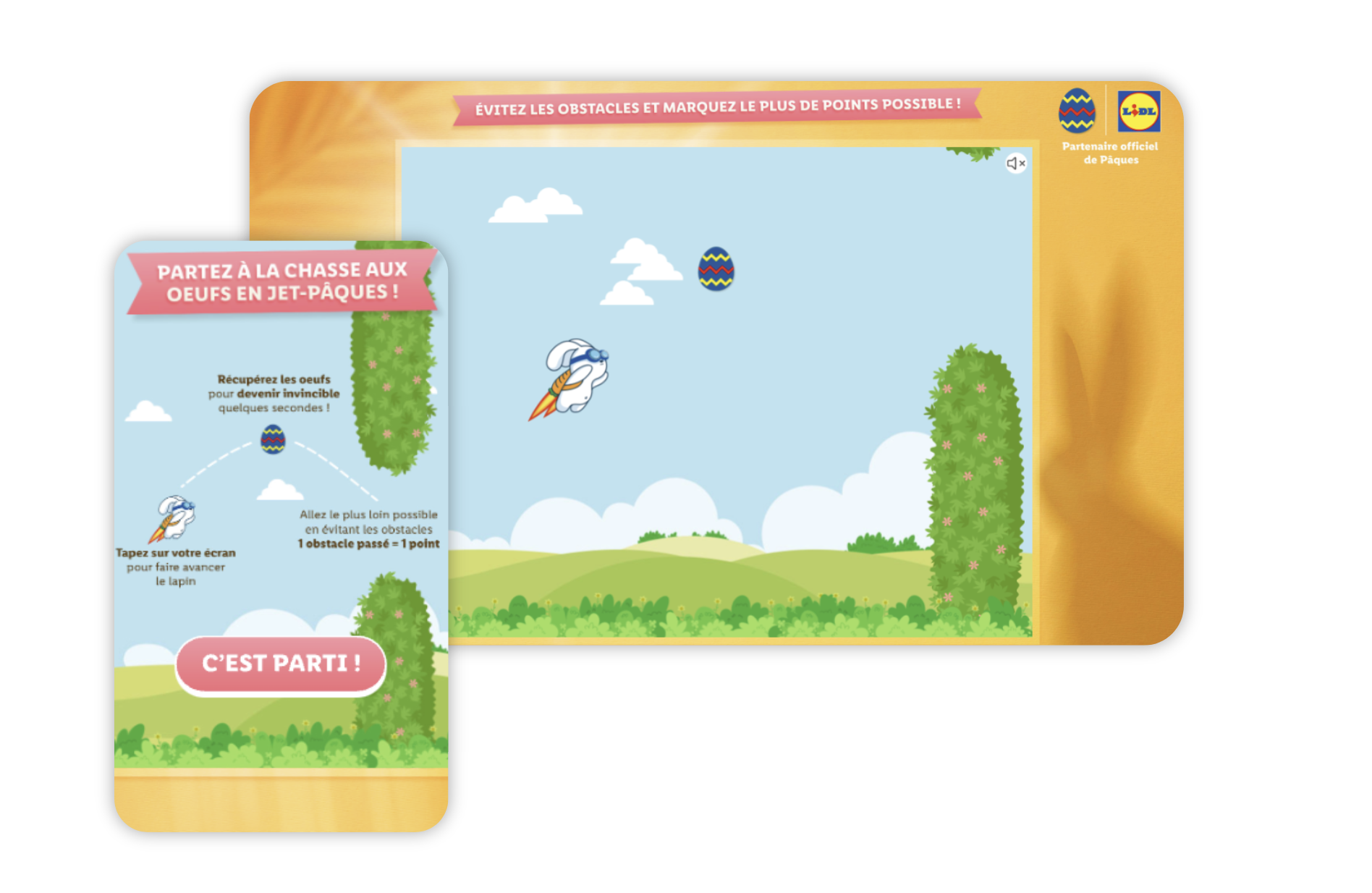
Lidl used gamification to boost its Easter marketing campaign. By offering a Flappy personalised to match this universe (the avatar was an Easter bunny), the supermarket giant was a great success, with 92k registrations and a high opt-in rate (67%), demonstrating participants’ interest in the brand and the special occasion.

The commitment around this Easter marketing campaign was very important. Users played 4.6 games, giving Lidl high visibility.

Lidl - Flappy marketing Easter

3. An interactive quiz to animate your audience

Easter is a great time to animate your audience and keep in touch with consumers as other commercial holidays approach. Retailers are taking advantage of this opportunity to engage their communities with themed formats.

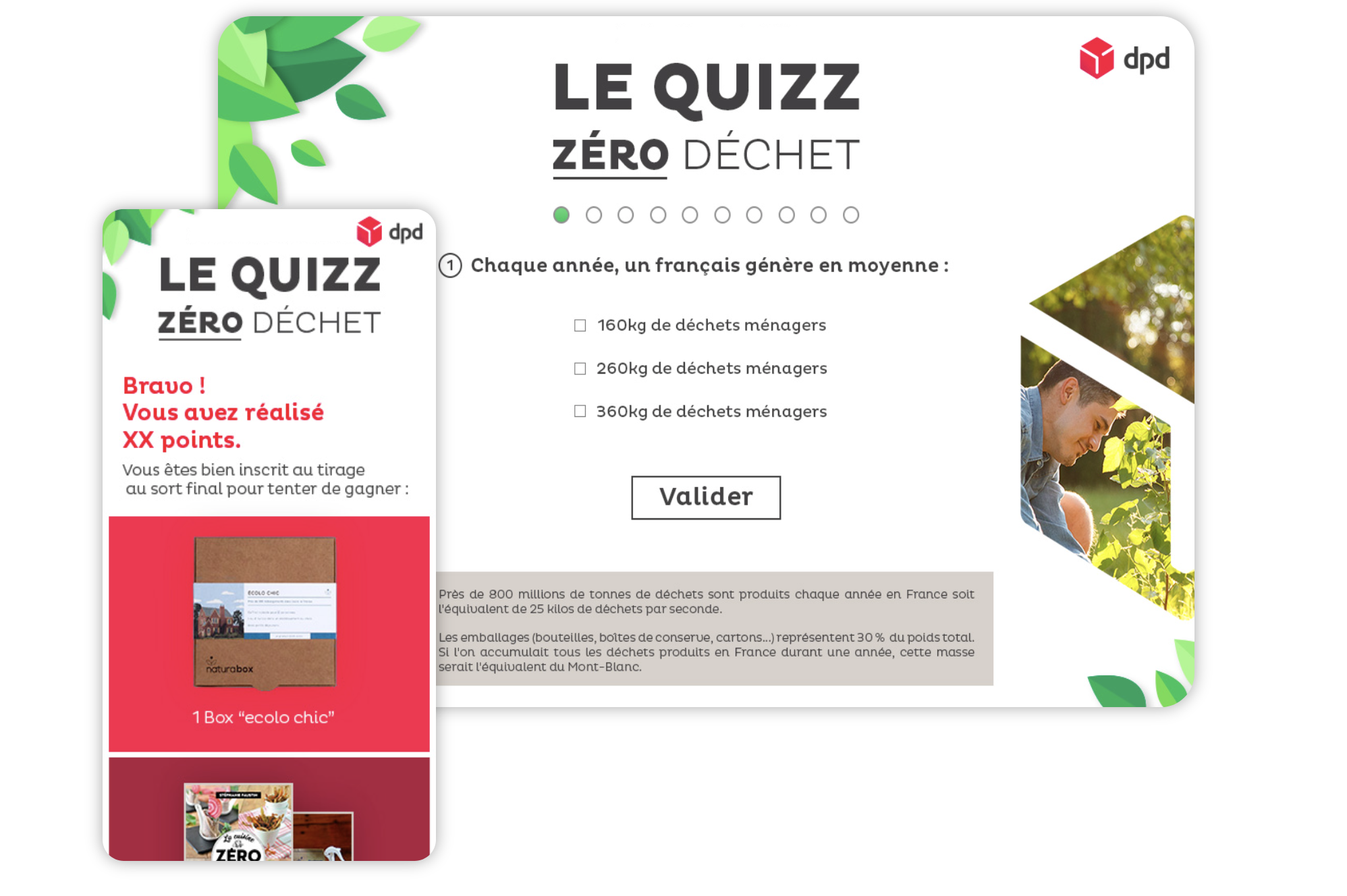
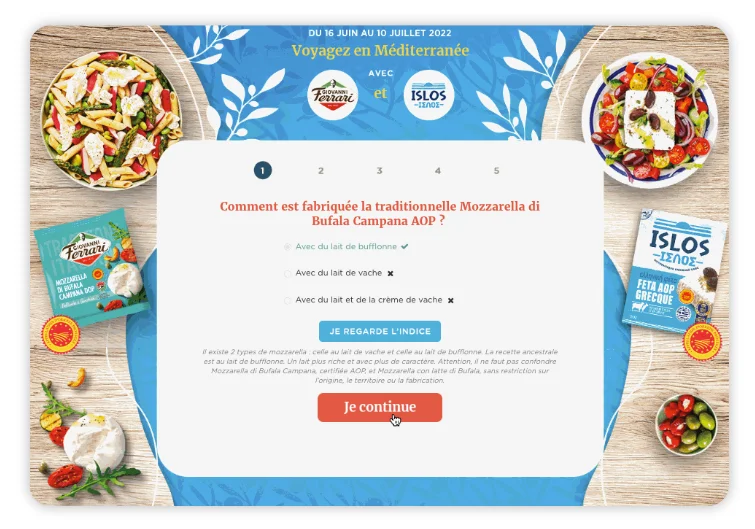
The interactive quiz is ideal for achieving this objective. Users are inclined test their knowledge about Easter or the brand (particularly if rewards are promised to participants). Brands can take advantage of this to raise awareness of their history or share their commitments, strengthening audience attachment.

product promotion quiz

4. A game of differences to highlight the new collection

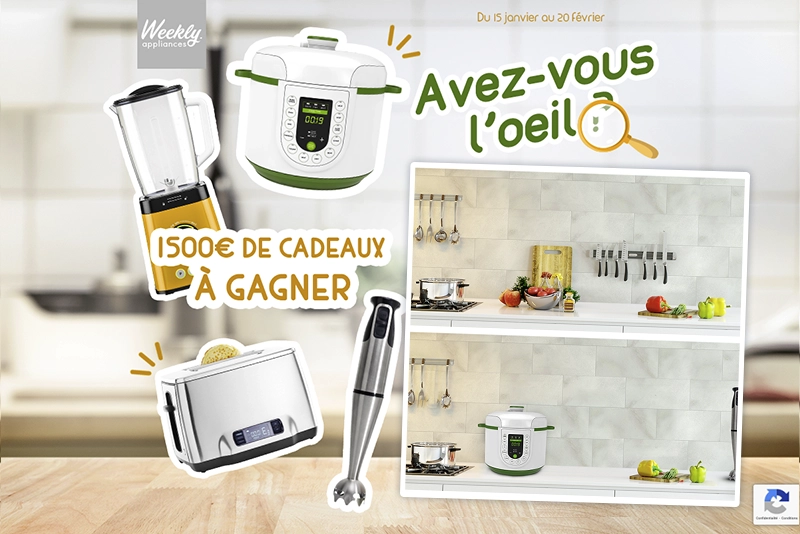
The Difference Game is a mechanism that can help brands increase the amount of time they spend with their prospects. Cette attention peut être mise à profit pour showcase their spring collection. Participants are challenged to find as many differences as possible, discovering the specific features/advantages of each item.

Spot the difference

5. A treasure hunt to boost your conversion rate

The Treasure Hunt is the gamification mechanic aligned with this highlight. Brands can organise gamification events online, replicating the famous IRL chocolate egg hunt, to engage their audience and boost sales.

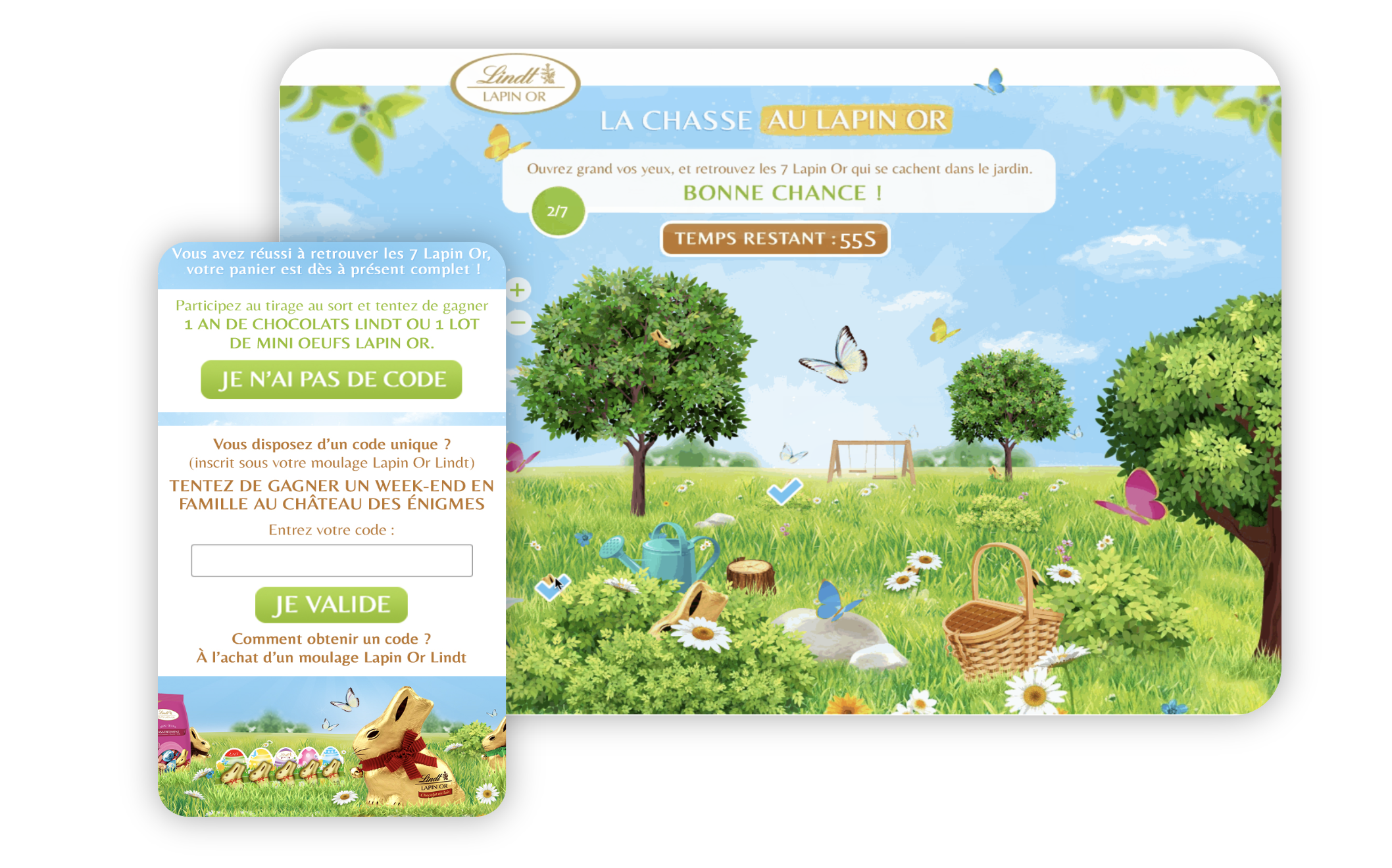
Chocolatier Lindt exceeded its lead generation target with 19k opt-ins thanks to a virtual egg hunt. The campaign engaged a targeted audience, with each participant spending an average of 1 min 40 on the game.

The game was accessible via a gatecode (code required to access), each code being written on a rabbit purchased in shop. This operation offered shoppers a chance to win a family weekend. This compulsory purchase strategy boosted sales during this period.

Lindt - Treasure hunt

6. A puzzle to build audience loyalty and boost registrations

Once brands have succeeded in capturing attention, they can take advantage of this to convert their leads and build customer loyalty with mechanisms that enable people to sign up to their newsletter or website.

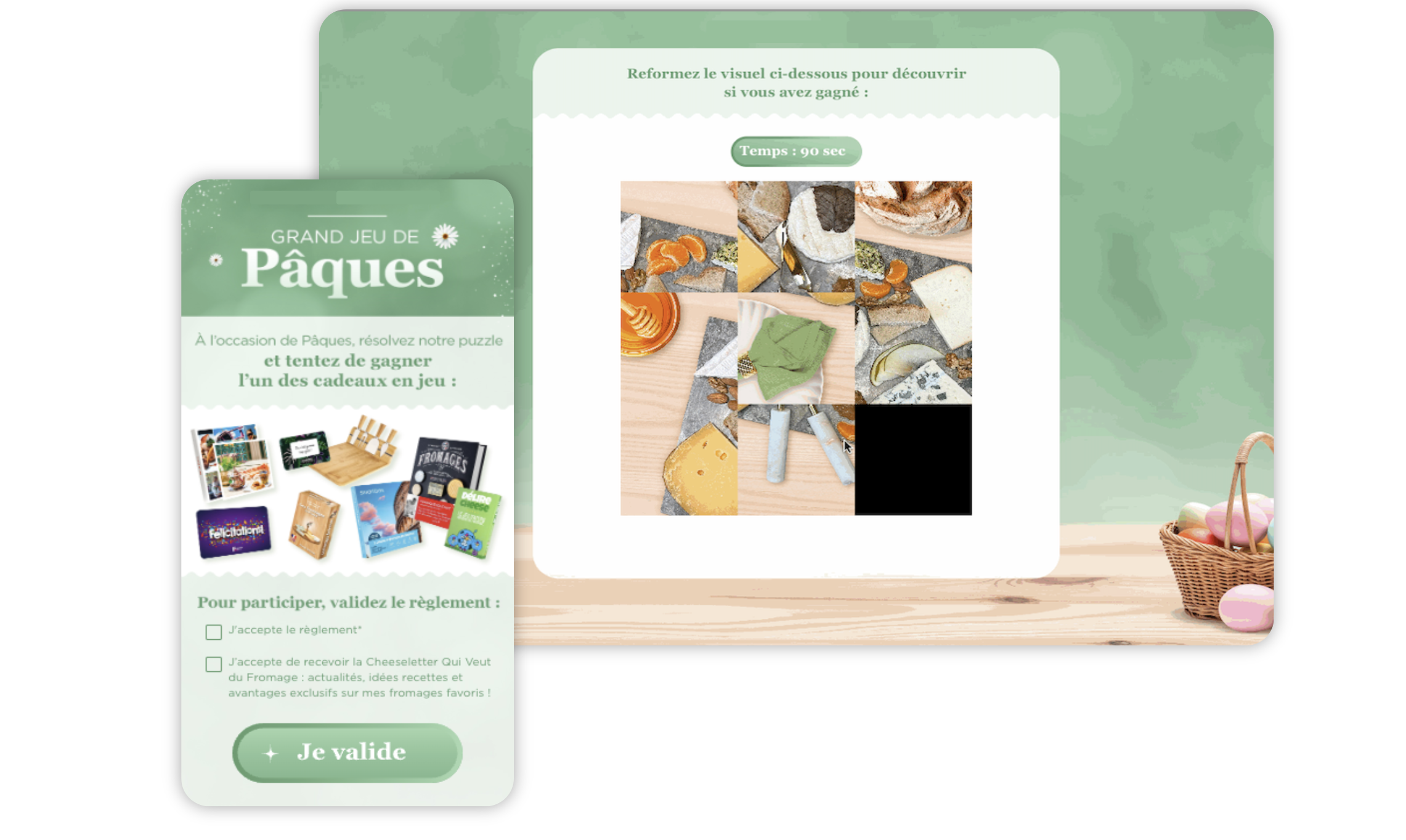
The Easter campaign for the QVDF (Qui Veut du Fromage) brand featured a puzzle game accessible after registering on the site (via JWT). It enabled the brand to recruit new subscribers. The aim was to boost the brand’s visibility during this period. Thanks to the attraction of instant wins, the campaign was able to engage customers and prospects while directing over 2,000 clicks to the pages.

QVDF - Easter marketing puzzle

Conclusion

Gamification is a powerful tool that makes it easy for your brand to engage audiences during a marketing high point like Easter. Customise an interactive mechanic tailored to your strategic objectives and boost the impact of your campaign by offering a differentiating and captivating experience to your prospects and customers!

In 30 minutes, we show you how to launch your own high-performance interactive marketing campaign

What is segmentation in marketing? Complete guide and tools

What is segmentation in marketing? Complete guide and tools

A study carried out by Harvard Business School reveals that 95% of products launched on the market fail to find their audience because of poor segmentation.

Brands understand the importance of personalising their offering. But also the way in which they communicate with consumers. That’s right, each buyer has unique preferences and expects companies to address their needs effectively.

Before setting up a campaign or launching a new product, brands need to understand their audience and segment it into groups. In this article, we will look at the issues involved in segmentation and the techniques for segmenting your customer base and boost the campaigns ROI.

Segmentation in marketing: what is it?

Segmentation in marketing consists of dividing your market (i.e. consumers interested in a product or service) into sub-groups. Within these groups, we find buyers with common characteristics that are relevant to the brand. These may be demographic or behavioural profiles.

By identifying and targeting consumer segments, companies can tailor their products, services and marketing efforts to meet the needs and preferences of their audience.

For example, segmentation in marketing has enabled the men’s skincare brand Old Spice to identify a group of customers it had not thought to address: women who buy this type of product for their partner.

What are the different types of marketing segments?

There are 4 types of segmentation in marketing:

1) Demographic segmentation (the who). This strategy consists of segmenting your audience on the basis of characteristics such as age, gender, education, income, profession (in the B2B sector) and so on. The advantage of this approach is that it is easy to implement (the data is simpler to collect).

2) Psychographic segmentation (the why). Here, the brand groups its prospects and customers according to their interests, values, aspirations or personality traits. Given that these characteristics are subjective, this is a more difficult strategy to implement. It is more effective because it strengthens understanding of the market.

3) Geographical segmentation (where). Une marque présente à l’international peut segmenter ses clients en fonction de leur pays de résidence. Elle adaptera la langue qu’elle utilise, mais aussi la tonalité des communications en fonction des codes spécifiques aux pays.

4) Behavioural segmentation (the how). The brand groups buyers according to common behaviours (the way they interact with companies). This can include their consumption habits, online browsing, brand loyalty, etc. This data is easy to collect (on its website or social networks) and makes it possible to personalise the customer experience.

Why use segmentation in marketing?

Segmentation in marketing requires effort and resources. Nevertheless, it is a strategy to better understand its audience and personalise its campaigns, boosting their ROI.

The advantages of segmenting your customer database include :

  • Better use of resources. Segmentation enables you to focus your marketing efforts and budget on consumers who are likely to want to buy. It is essential to target its marketing or emailing campaigns and make the message more powerful and more likely to convert.

  • A stronger brand image. Une entreprise qui comprend à qui elle s’adresse et adopte des messages alignés avec les valeurs de ses clients aura plus de chances de fédérer une communauté. C’est aussi un facteur de différenciation. Il donne aux entreprises un avantage concurrentiel sur les autres marques de son secteur.

  • Optimised profitability. Companies have seen their acquisition costs soar. The ROI of marketing campaigns (particularly Ads campaigns) has become a key factor in maintaining profitability and viability. Segmentation in marketing makes it possible to target the audience for digital advertising and convert more with the same budget.

Gamification as a marketing segmentation tool

Before you can create customer segments, you need to collect qualitative data. Data collection is an increasingly complex area of marketing activity. The announced end of third-party cookies proves that it is essential for brands to ‘own their data’ (by collecting first-party data). Elles ne dépendront plus d’autres acteurs pour refine customer knowledge.

To maximise these third-party data collection levers, brands need to use tools that will enable them to build up enriched, reliable and relevant CRM databases. Gamification is one of these tools, as animations and competitions offer a number of advantages:

  • They enable a wider audience to be reached: 1.5x more users are prepared to share their data via a gamified experience.

  • They are more engaging and captivating. En moyenne, les expériences interactives gamifiées génèrent 40x more engagement in terms of time spent with the brand.
Gamification - segmentation tools

Brands can therefore use gamification in two ways to collect data:

  • By asking participants in a game to fill in a collection form (before or after the experiment).

Game mechanics - segmentation

Segment the data collected via an interactive experience

Once the brand has fed its CRM with relevant data on its audience, it can begin to segment it for a better engagement in future campaigns.

A tool like Segment (combined with a Playable Marketing platform) facilitates this work. The data is processed directly via the tool, which can then be used to automatically create up to 30 customised segments. Brands can then adapt their communications to ensure they deliver the right message to the right person, via the right channel.

Companies will also be able to A/B test their segmentation strategy The tool offers greater visibility over the performance of each campaign, with detailed reports enabling the impact of each action to be monitored in real time.

Conclusion

Maximise the effectiveness of your marketing efforts by making sure you’re sending the right message to the right people. With Adictiz’s Segment functionality, you can capitalise on the data collected during your interactive campaigns and segment your audience so that you can personalise each message you send out. And to make your segmentation efforts easier, download the free our webinar!

In 30 minutes, we show you how to launch your own high-performance interactive marketing campaign

Playable App: an interactive solution for mobile apps

Playable App: an interactive solution for mobile apps

Today, 74% of consumers use mobile applications with the intention of making a purchase. M-commerce (i.e. online sales made via a mobile device) thus represents 44% of e-commerce revenues.

It is therefore becoming crucial for brands to create their mobile applications, but above all to optimise the experience they offer their customers. The buying experience on an app is not the same as on a website. Companies need to find ways of engaging visitors, encouraging them to make purchases, but also to return to the application.

This article looks at an effective strategy for achieving all these objectives: the Playable App. By making their in-app experience interactive and fun, brands can boost revenues and build user loyalty!

What is a Playable App?

A Playable App integrates gamification elements into the in-app user experience. Throughout their journey on the app, visitors can be engaged through fun and interactive mechanisms.

These interactive in-app animations allow you to immediately win prizes, promotional codes or loyalty points, for example.

To achieve this, the brand can integrate a game of instant wins into the shopping experience. A Wheel of Chance can be available on the application’s home screen, to encourage purchases using the promo code obtained. In exchange, the company can ask the participant to subscribe to its mailing list and tick an opt-in box.

The different strategic objectives of a Playable App

Developing an application represents an investment. This investment is motivated by the prospect of reach a different type of consumer (like GenZ), but also to boost revenues. One study shows that the average shopping basket for mobile users is 37% higher than on the web.

To attract as many buyers as possible and encourage them to place an order, the company needs to offer a smooth, pleasant and secure experience.

Here’s how the Playable App – the integration of playable mechanics into a mobile application journey – is helping the brand to achieve these objectives.

Optimising the browsing experience and making it more fluid

The primary benefit of offering an in-app experience is to make it enjoyable and intuitive. Game mechanics can facilitate access to information. In this way, the company can draw the user’s attention to certain stages in their journey, directing them to products on special offer or the registration form for a loyalty programme, for example.

Users will find it easier to navigate the application. This is an important in-app feature, as the screen of a mobile device is smaller than that of a computer. The game window will help you find your way around an environment, while making navigation dynamic through playful animations.

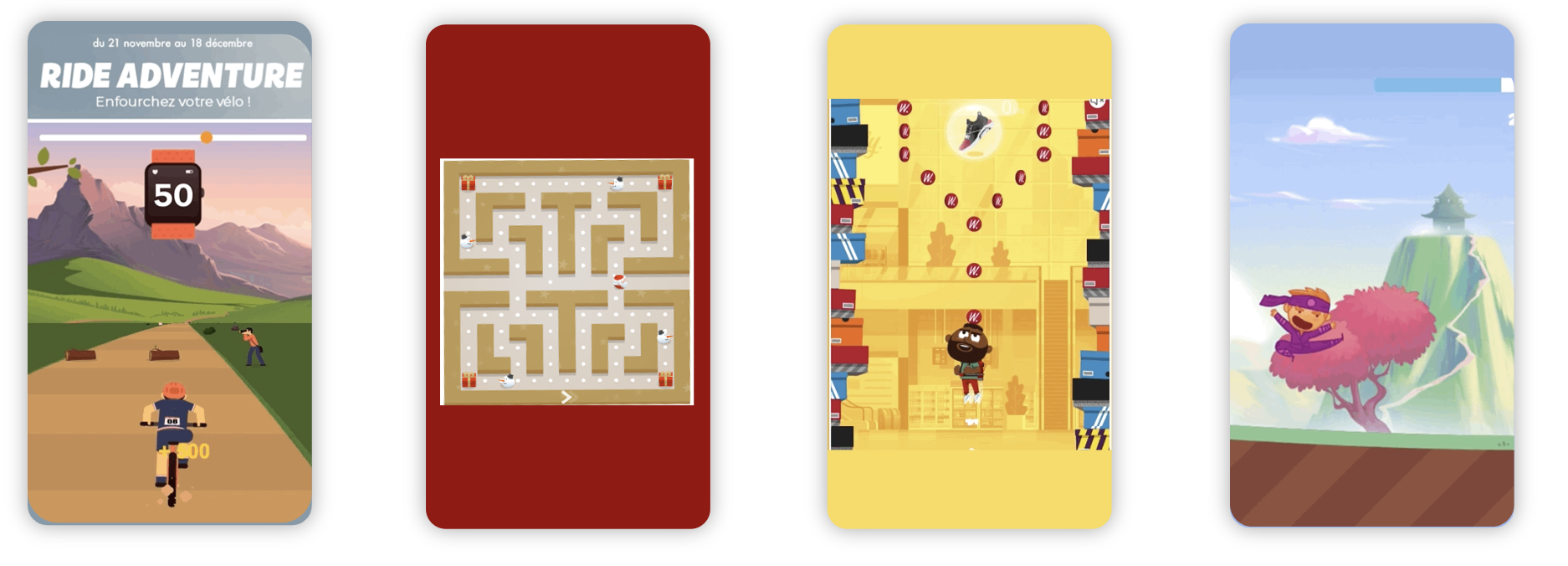
Quick launched a Playable App campaign based around the star Tony Parker and gamification elements. By integrating an Outrun into the navigation, the retailer’s aim was to generate new leads. But also to engage participants and boost sign-ups to the loyalty programme. This advertising format enabled Quick to recruit 4k registrations in 1 week, 69% of which were opt-in (a record for the sector).

Quick - playable outrun

Create repeat visits and engagement on the app

The playable mechanics transform a static browsing experience into a dynamic, fun in-app experience. Users are encouraged to interact with the application’s content, which encourages them to stay. This is the case if the company relies on game mechanics that encourage recurrence (such as Beer Pong or Outrun).

The more enjoyable and potentially rewarding the experience is for the user, the more likely they will be to return. Games build customer loyalty by giving them the chance to unlock attractive benefits or prizes.

It’s easy to imagine an Advent Calendar integrated into the browsing experience. Shoppers will be encouraged to return for a chance to win gifts or discount vouchers on their Christmas shopping.

The Floa Banks Floa Sweets campaign aimed to boost awareness and usage. Through an engaging mechanic ( Match 3) and attractive prizes, the company was able to recruit and retain users. It has also been able to boost app downloads.

Floa bank - playable outrun

Encourage repeat purchases via the application

Finally, the Playable App is a way for the company to encourage visitors to make a purchase. Comme on l’a vu, le jeu peut être a conversion lever enabling the brand to distribute e-coupons as an incentive to place an order.

But the game can also be a lever for up-selling or cross-selling. Using product preferences collected via a Shopping List or Swiper, the brand can share recommendations and generate additional sales.

Showroomprive launched an in-app campaign to promote the Rituals range, with a 100% winning game. Via the marketing game Flip&WinThe company’s objectives were to engage users of the mobile application. But also to give visibility to Rituals products, recruit qualified leads and stimulate sales. The campaign was a great success, with over 56k registrations, 60% of which were opt-ins.

showroomprivé - playable flip&win

Conclusion

The Playable App is the future of m-commerce. By making the browsing experience on your app more interactive and engaging, you can attract as many visitors as possible, encouraging them to return and make purchases. Discover our interactive marketing solution and offer your users addictive branded games!

In 30 minutes, we show you how to launch your own high-performance interactive marketing campaign