

Mother’s Day competition: 4 scenarios for your campaigns

Mother’s Day competition: 4 scenarios for your campaigns

Mother’s Day is a tradition that has been rigorously respected and perpetuated since childhood. This year, once again, all mothers are expecting a gesture from their children, often with the support of their spouses for the younger ones. According to a Yougov survey, 61% of French people think this is an important holiday. It’s the perfect opportunity for brands and chains to launch a competition to mark this commercial highlight and promote their flagship products!

There are 3 main reasons for consumers to take part in a promotional game on Mother’s Day:

  • Finding the perfect gift for their mum
  • Win an attractive prize to give away on the big day
  • Declare their love for their mother in a fun and original way

A marketing game to identify the tastes and preferences of mothers

On Mother’s Day, consumers give themselves around 2 weeks to find the ideal gift, and almost half make up their minds in 2-3 days at the last minute. This usually leads to a spike in sales, particularly online, with a growing proportion of mobile purchases.

Influence their buying habits by guiding them in their choice of the ideal gift using a marketing game! Children know their parents well enough to indicate their preferences.
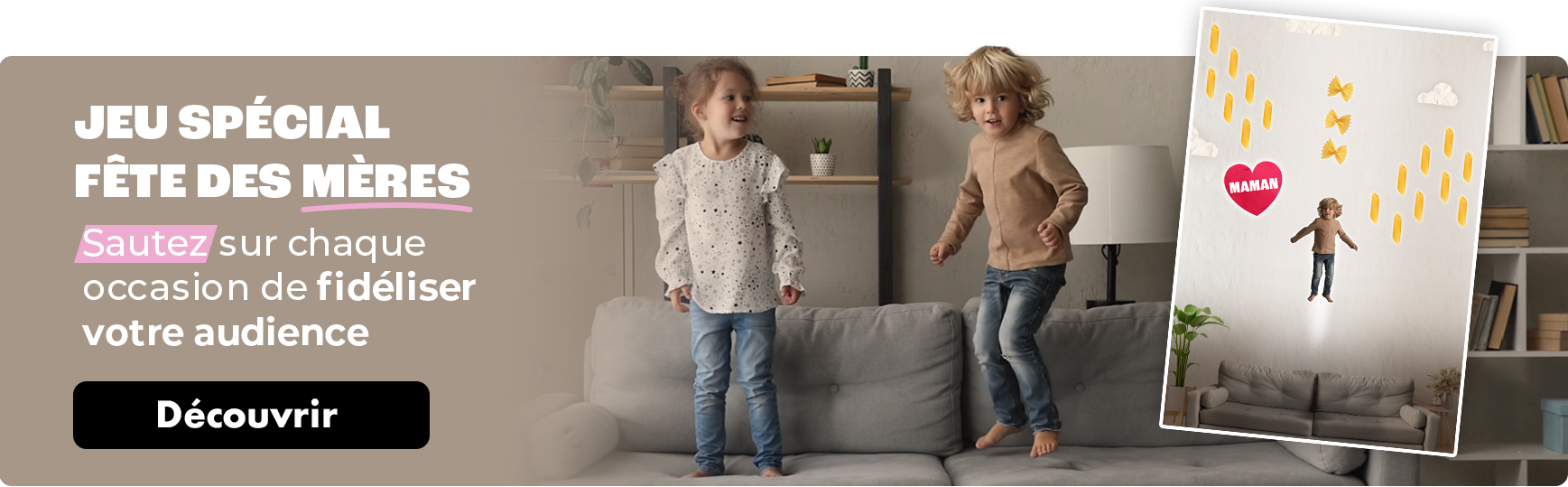
mother's day mobile game

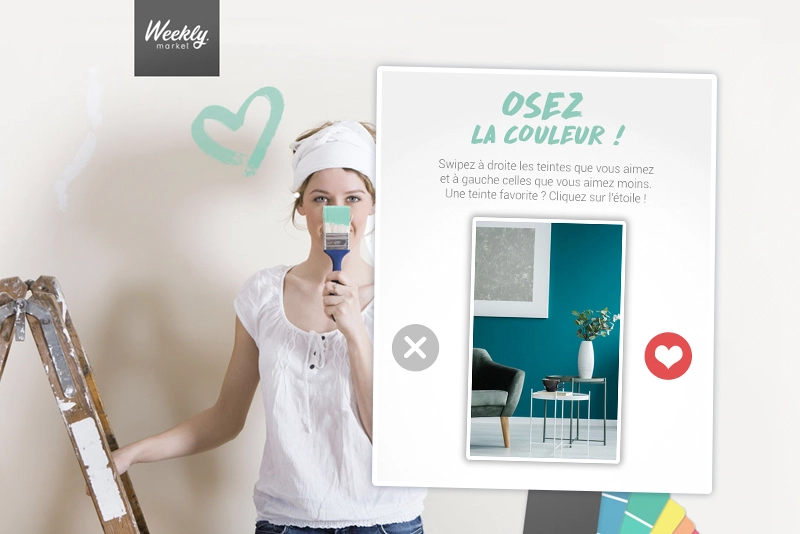
The swiper, perfect for collecting user preferences

Help players find the perfect Mother’s Day gift by collecting their preferences, thanks to an easy-to-use and highly entertaining mechanic. Swiping right or left, depending on product preference, is as easy as child’s play. At the end of the journey, enter a Mother’s Day competition to win the selection.
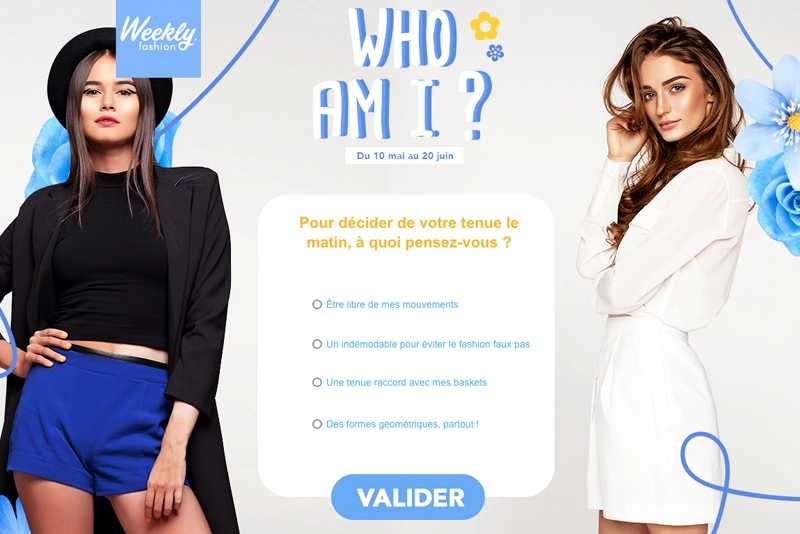
Personality tests are ideal for segmenting a database

With the personality test, players determine which profile their mother matches by answering a number of questions, and discover the most suitable products via a profile-based selection.
Shopping-list: a mechanism for gathering crucial information about products and services.

Players create their own special Mother’s Day wishlist from the brand’s products and submit it to a photo gallery, a simple way of generating user-generated content.

An instant win game to win the most beautiful Mother’s Day gift

Here, it’s important to choose the right equipment

Looking for something simple and effective? Instant-win games are a sure bet! The ideal way to reach a wide target quickly. Offer a particularly attractive prize for the occasion, or vouchers to spend on your site or at points of sale. Dress up your brand with festive branding via a One-Armed Bandit, a Scratch Game, a Wheel of Fortune or a Shuffler!

A creative competition to declare your love on Mother’s Day

Encourage your users to create their own content

Take advantage of the general craze to promote User Generated Content around your brand on this occasion. Photo, video or text competitions… encourage players to put themselves in the picture to wish Happy Mother’s Day in a fun, original and personalised way. It’s an excellent way of engaging users and developing your brand equity around a sacred holiday!

Why not capitalise on Mother’s Day with a post-purchase game?

Take advantage of this opportunity to generate in-store traffic

With a high level of purchase intent and an allocated budget, Mother’s Day always generates a spike in traffic and sales among the French. Take full advantage of the crowds to collect qualified data using a game. With Gatecode, encourage users to enter the code for their Mother’s Day gift and fill in a form to win a cash-back offer on their purchase, for example. A great way to collect leads and opt-ins!

Need some advice on how to prepare for the year’s upcoming highlights?

Using marketing games effectively to promote a product

Using marketing games effectively to promote a product

Product promotion is a key strategy for your brand’s sales and marketing challenges. It accompanies the product throughout its development from the moment it is created and involves all your communication channels. Marketing games are an excellent advertising medium for promoting a product. Find out how to use marketing games effectively at every stage of your product’s sales cycle.

The teasing game to announce the launch of your product

Objective: To create a buzz

The art of teasing allows you to create a buzz during the pre-launch period, even before the official release of your new product. Whether it’s a new arrival in the catalogue or an improvement to an existing product. At this stage, the marketing competition can be used in a variety of ways to create expectation and need.

  • Encourage consumers to discover its name, shape or packaging.
  • Use a hashtag to spread the word about the campaign on social media
  • Offer customers the chance to preview the product
  • Solicit feedback from your community and make final improvements to your product before launch
  • Gather data on interested players so that you can personally retarget them on the product once it has been released.
  • Inform players interactively and offer pre-orders
  • Benefit from potential press coverage thanks to the buzz generated by the originality of your teasing game

Launch your marketing game at least 3 weeks before the launch to promote a product and engage users with it.

The game to accompany your product’s sales roadshow

A promotional tour on the agenda?

The life of a product is often punctuated by demonstrations, events and trade fairs to get as close as possible to the target consumers and distributors. These are all opportunities for your brand to make its voice heard by accompanying these events with a marketing competition.

How can you reap the benefits of marketing games?

This allows you to do 2 things: generate traffic to your stand during off-peak periods and collect visitor data during busy periods. It is sometimes difficult at these events to be available for all the visitors. Offer an attractive flash game, and take advantage of the traffic peak to invite interested parties to leave their contact details in just a few clicks via your game. It’s an effective way of exploiting contacts at the end of the roadshow and analysing the event afterwards!

The game to promote your product on the shelf or on the merchant site

The power of multi-channel to promote a product

Launch a multi-channel competition to promote your product to consumers at any time, wherever they are. Mobile phones are at the heart of the operation, and the aim is to create a link between the various devices to maximise participation rates.
Put your points of sale to work, for example. To stand out on the shelves, brands are getting closer to their network of distributors and putting in place special operations at the point of contact with consumers. It is becoming increasingly common to find competitions on point-of-sale displays, in product packaging or on till receipts. Add game banners to your e-commerce site and relay them on your social networks to give them a viral dimension.

A game to highlight the highlights of your product

Marketing calendar or chestnut: it’s essential to use it

Fashion, Sport, Culture and Festivities… Our seasons are full of traditional highlights and emblematic rituals. At least 3 a month, there are plenty of opportunities to promote a product in a fun and festive atmosphere!

Some products are naturally associated with special events, such as duo packs for Valentine’s Day, while others feature flagship packaging. These are generally strategic products, requiring a substantial budget and a great deal of forethought.

In addition to this, you can promote any product by dressing it up seasonally using marketing games. This lever allows you to quickly and easily adapt your branding to all these occasions and deploy it across all your communication channels. An effective cross-channel marketing strategy!

mobile highlights calendar

The game to assess your brand awareness and boost your product sales

Have you thought about participatory marketing?

Game marketing is above all interactive. Based on the goodwill of the players, it relies on genuine brand-consumer exchanges. It is therefore an ideal medium for soliciting users’ opinions, or even getting them to contribute in a participative marketing approach. Marketing competitions can be used in a number of ways to gauge the awareness of your products: sound out your users’ opinions, ask them about their preferences using Votes, or draw on their creativity using User Generated Content.

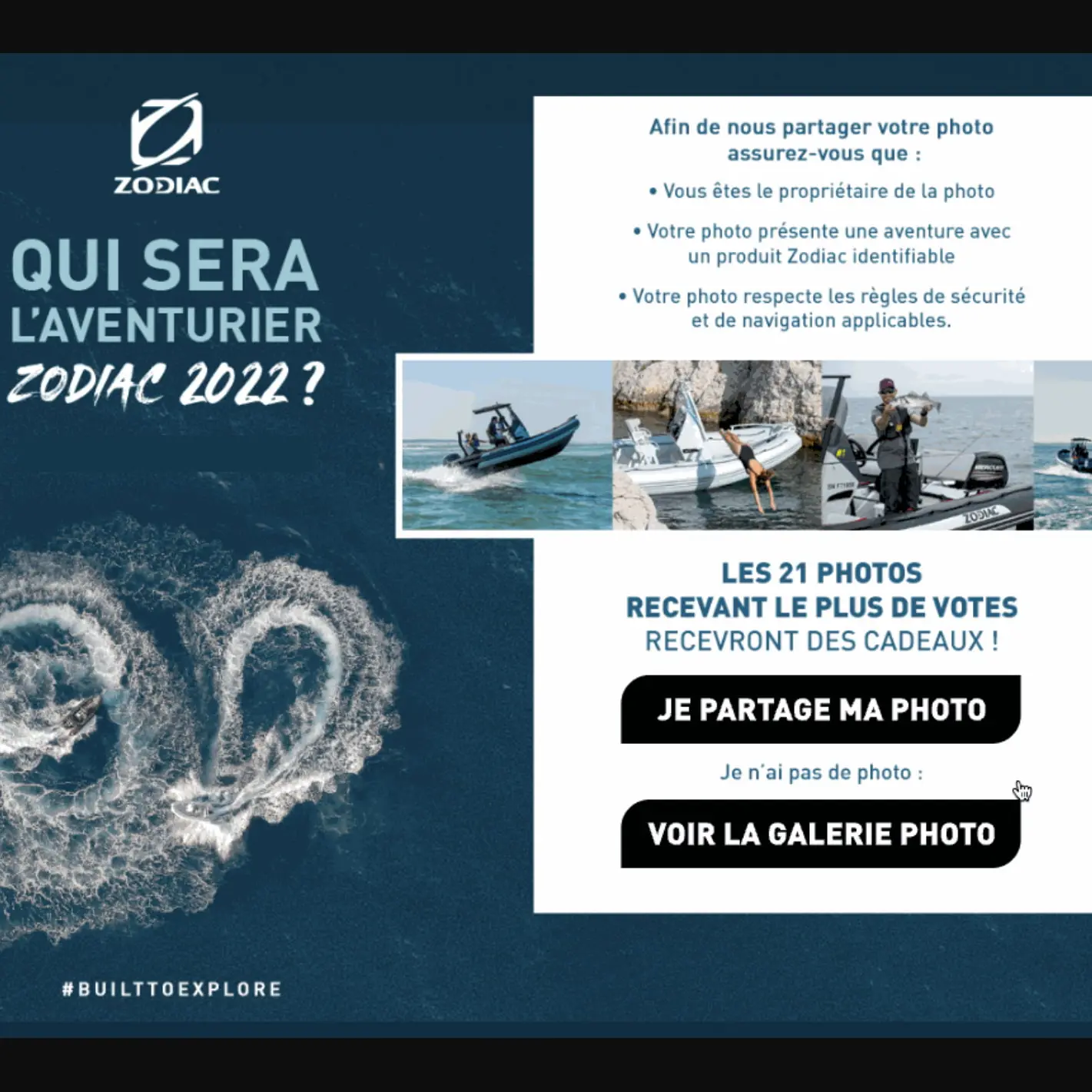
Zodiac photo competition

Data at the heart of your strategy

The data from your gaming campaign will then enable you to identify which products should be promoted to which consumers as a priority. Send them personalised incentives such as discount vouchers or money-back offers to strengthen your relationship marketing. All the more reason to boost conversion rates!

The marketing game supports your product promotion strategy at every stage, with a focus on customer proximity:

  • Increase & reinforce awareness of your product to make it better known
  • Increased visibility on point-of-sale shelves and e-commerce sites
  • Have the user try out your product
  • Increase the frequency of product purchases and build consumer loyalty

Are you in the process of launching a product? Test the marketing game with us!

Everything you need to know about data collection

Everything you need to know about data collection

The data collection landscape is undergoing a profound transformation. In July 2024, Google announced that it would maintain third-party cookies in Chrome, offering the possibility of managing their activation. After several years of uncertainty about their removal, this decision reaffirms the importance of adopting data collection strategies that are aligned with user expectations.

Why collect data? Let’s delve into the heart of zero-party and first-party data to decipher these concepts, understand current developments and identify opportunities for your marketing strategies.

Why collect data and what exactly is involved?

First of all, it’s important to understand the context and the terms used. So we’re going to introduce you to those rather barbaric terms zero, first and third party data.

What are zero-party first-party data?

Zero-party data
Zero party data is considered to be the Holy Grail for any business!
And why is that? Because it’s data that users voluntarily provide to the company. It is valuable because it is considered to be accurate and reliable. It can include user preferences, interests and demographic data. Surveys, polls and competitions are the best ways to collect this data.

First-party data
First party data is collected via a company website. It cannot be accessed outside this context and is collected securely. This data is used to improve the user experience or to target advertising. It may contain several types of information (name, email address, telephone number, shopping list or information relating to visits to a site). It is collected when a customer account is created or when a conversion pixel is installed on the website.

Second-party data
Second-party data is collected via a third party. The third party holds the data on a first-party basis, i.e. on its own site. It is therefore an exchange between two companies, with no intermediary.
And what about third-party data?

“Hi, it’s us cookies!”

Third-party data
Or third-party cookiesare data collected by intermediaries on the site visited. This data is collected from domains other than that of the site visited. Unlike second-party data, which we briefly discussed above, this data is generally managed by third parties.
Third-party cookies record browsing habits, the sites visited or the keywords searched and are used for advertising.

By the way, why are you suddenly hearing about these third-party cookies? As it happens, the impact on users’ privacy has been the subject of much debate recently. Critics accuse these uses of data collection without the consent of users. Which is an alarming subject, needless to say.

Faced with these concerns, many browsers have decided to limit third-party cookies. This is the case with Firefox and Safari. New regulations, such as the RGPD in Europe, have been put in place to ensure that users are better informed about this rather unusual data collection.

So, in order to respect the privacy of their users, many advertisers have started to turn to other types of data. Like the first-party and zero-party data you are now familiar with, which are less intrusive (while offering more qualified advertising targeting).

collection methods
collection methods

What are the developments and how to anticipate them?

Learning to adapt to the changing data environment

The question of the disappearance of third-party cookies is not new. Let’s just say that it was highlighted by Google’s latest intervention on the subject. A number of browsers such as Safari, Firefox and Tor have already taken the plunge. Google, for its part, has chosen to maintain third-party cookies in Chrome, allowing users to decide whether or not to activate them.

However, it remains vital to look at other types of data in addition to third-party cookers in order to compensate for data depreciation.

Conquering zero party data

Remember. At the beginning of this article, we talked about a type of data that is considered to be the Holy Grail for any company! If you’re going to change your data collection strategy, why not opt for the most advantageaous model?

So it’s zero-party data that we recommend you focus on.

This strategy is above all based on contract of trust between a company and its customers. And to establish this trust, brands seek to interact intelligently with their customers. In the current climate of tension surrounding data collection, it is important for companies to reassure customers while continuing to gather valuable information.

As a reminder, zero-party data is advantageous because it allows consumers to provide their data on a completely voluntary basis. When it comes to capturing purchasing intentions or customer preferences, this type of data collection represents the future of digital marketing.

But engaging your audience in this way is not so simple.

In addition to the trust placed in the brand, users also need to make the most of this exchange of good practices.

Here, the choice of the word game is particularly appropriate. An interactive format will tend to increase the time spent with the brand as well as brand recall. What’s more, if the brand offers a real interest in interacting with it -with an endowment for example- this will naturally increase the attachment and trust that users have in the brand.

Data zero-party, solutions for engaging your audience following data collection

Now you know all about good practice in data collection. It’s now time to look at the practical solutions available to you for putting in place a data collection strategy in line with your users’ interests.

Interactive campaigns: the ideal solution for generating qualified leads?

The timeless interactive mechanics can be used to meet objectives of engagement and lead qualification. Here, the idea is to spend time with your audience and give them a voice to capture thier buying intent.

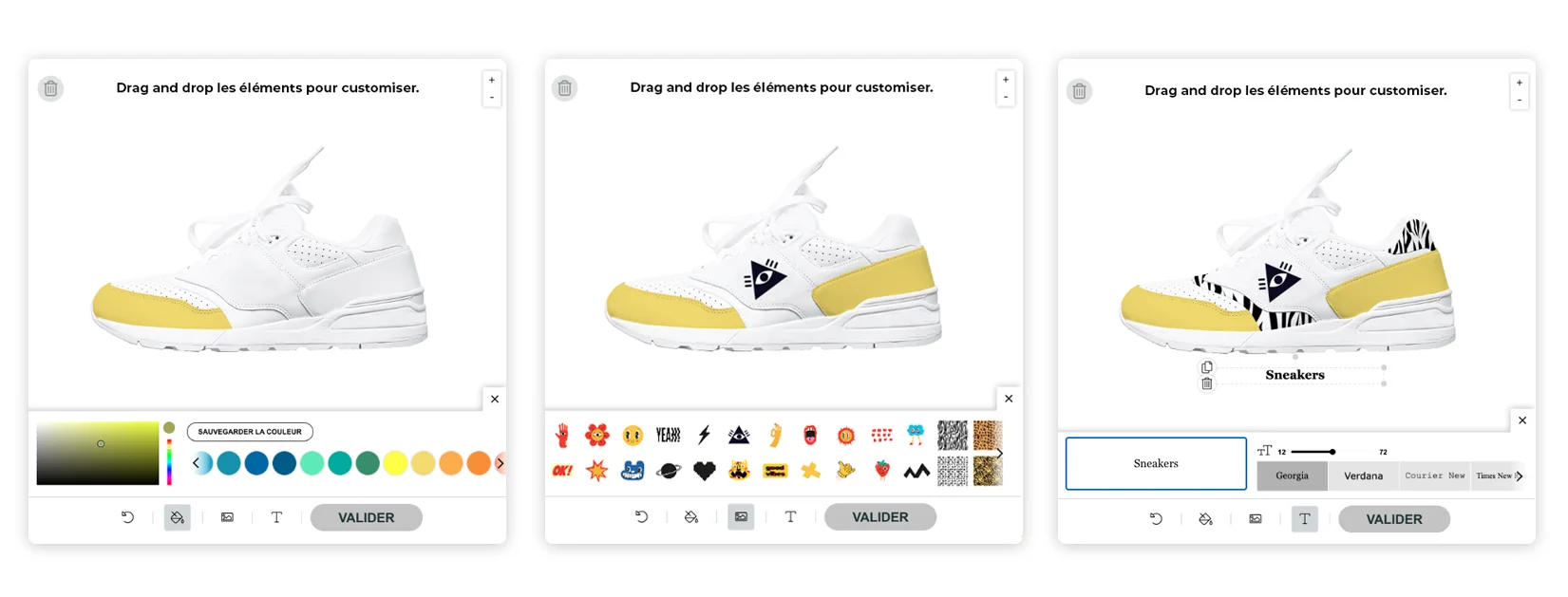
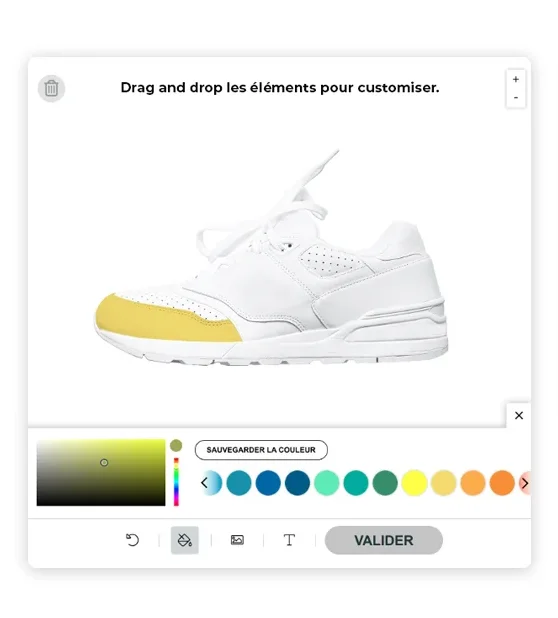
customizer data collection

Customizable is the word that best describes the Customizer mechanism. It is its main asset. In this example, we chose to customize a shoe, but it could have been a completely different product. In the end, in this strategy, the product doesn’t matter, it’s the potential for customisation that interests us.

Offering users the chance to choose the style of the next flagship product in a collection is extremely engaging and offers several avenues for collecting behavioural data:

  • customer knowledge (campaign registration form)
  • product preference
  • user preference

The customisable form can be used to collect qualified data and the selected mechanics.

Say goodbye to traditional display and hello to interactive display to engage your audience

Interacting with your audience using interactive display means that you ensure that your brand is promoted and remembered.These are the key-words of this atypical model, which above all keeps its promises: engage and stand out.

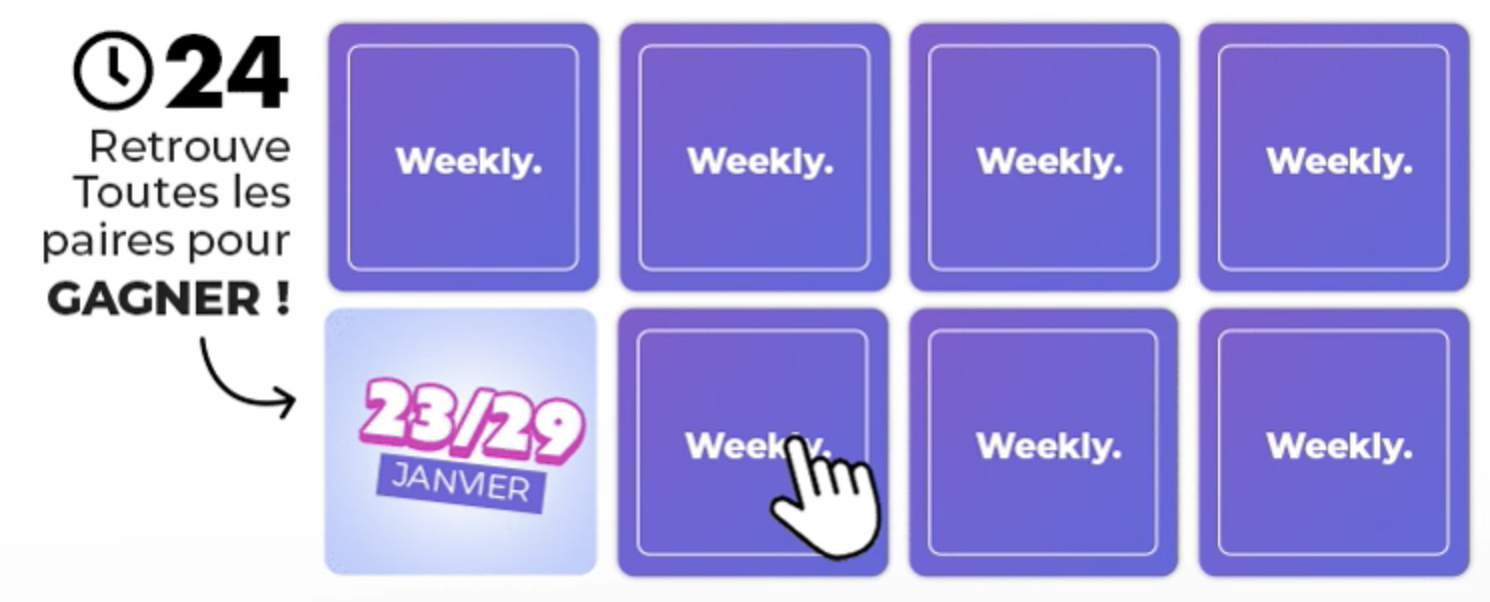
Playable ads memory

In this example, the Memory mechanic encourages the user to discover the cards in less than 30 seconds. The very principle of the game is to memorise the cards. This makes it easier to pass on important information. at the end of the game, a redirection completes the fun.

Conclusion

Finally, it is understood that the data collection strategy model is changing. The important thing is to anticipate these changes. By opting for the model that is most advantageous for you, but also and above all for your users. Zero party data collection is seen as the most promising solution. Because it is above all a contract of trust between a company and its customers.

Although Google has decided to maintain third-party cookies, it is essential for advertisers to continue to explore alternatives such as zero-party data and to adopt solutions that comply with current regulations, in order to respect users’ privacy and prepare for any future changes.
Let users have their say, and capture purchasing intentions and customer preferences so you can get to know them better!

In 30 minutes, we show you how data collection can revolutionise your marketing strategy