

Playable ads, the solution to ad fatigue ?

Playable ads, the solution to ad fatigue ?

Le saviez-vous : chaque jour en moyenne, un individu est exposé à plus de 1200 publicités! Ce chiffre vous paraît exorbitant ? Cela signifie peut-être que vous êtes victime de banner blindness ou burn-out publicitaire. Ce phénomène d’aveuglement touche notamment les internautes et fait l’objet de nombreuses études. Mais, si elle n’est pas appréciée de tous, la publicité est indispensable à toute stratégie marketing. Elle a pour objectif de cibler une audience et l’inciter à adopter un comportement (achat, inscription,…). Découvrons comment faire passer un message à un public qui ne cesse de détourner le regard, grâce au display interactif et aux Playable ads.

Banner blindness: consumers blinded by advertising, how can we restore their sight?

Digital advertising desperately seeks audience

Banner blindness is an Anglicism widely used in marketing. It refers to a form of selective attention in which an individual ignores the information presented in banners. This attitude (whether conscious or unconscious) is adopted to avoid interacting with advertisements. indeed, the latter are perceived as likely to disrupt user experience.

But when is an ad visible or invisible to a user?

A classic display ad is considered visible if at least 50% of its surface is displayed on the screen for one second. In other words, the display banner has to stand out to attract interest in such a short space of time.

But there’s a world of difference between seeing and remembering.


After this time, 62.5% of Internet users have left the ad. For the remaining 37.5%, a phenomenon emerges: ad recall. In fact, there’s a link between observation intensity and memory. Basically, the duration of viewing is positively correlated with memory. This means that the more you watch an ad, the more likely it is to be remembered.

There is none so blind as those who won’t see

It may seem surprising, but while 2.5 seconds may seem like a very short time, in the world of advertising it’s a very difficult time to achieve!

Why is this? It’s a phenomenon linked to human nature. Studies show that users have trained themselves to ignore elements that resemble advertising. This makes it more difficult for advertisers to stand out in the mass of information and ads encountered

Moreover, it turns out that 35% of French people block Internet advertising with software such as Ad blockers. This shows a clear rejection of this mode of communication.

And for those who are touched by advertising?

A recent study gives us an overview of the average click-through rates of display campaigns for different formats:
Bloc format: 0,14%
Megaban: 0,08%
Skyscraper: 0,10%
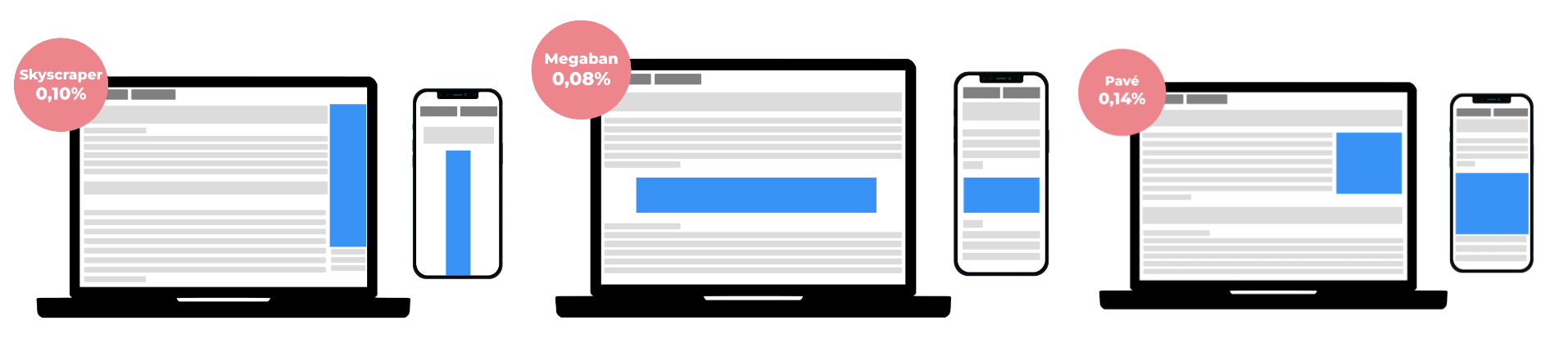
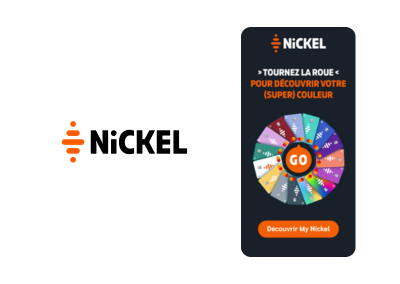
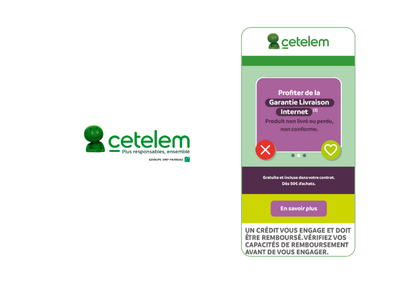
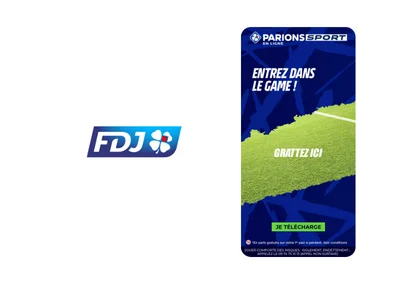
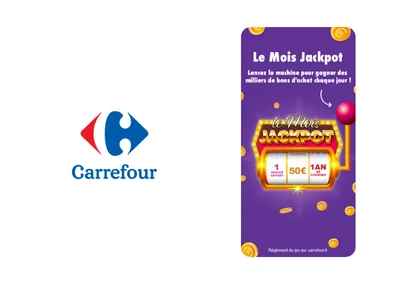
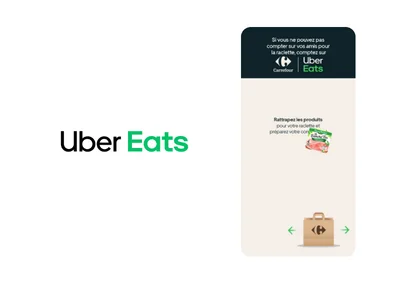
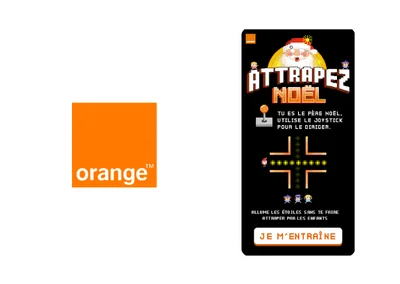
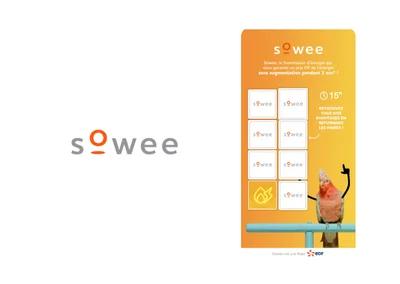
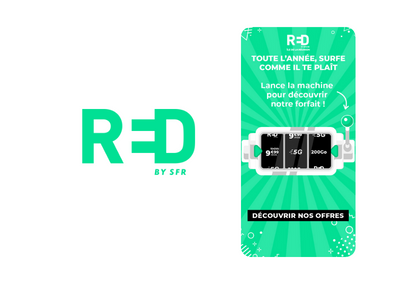
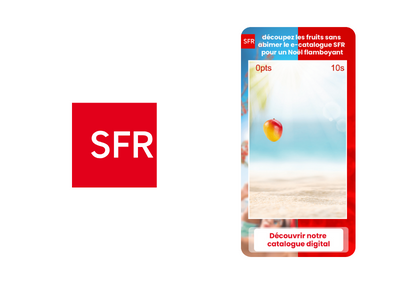
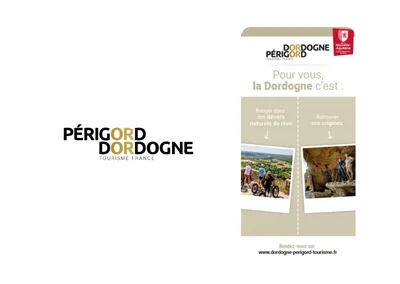
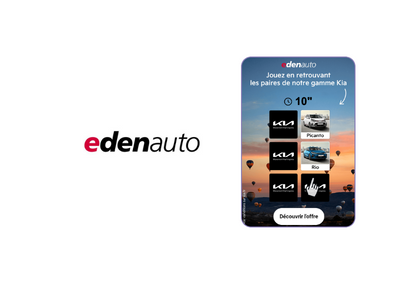
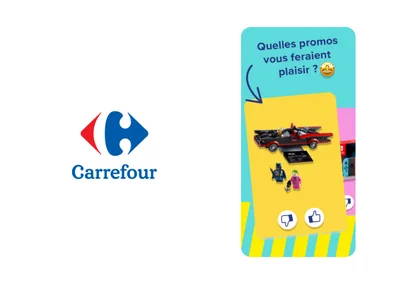
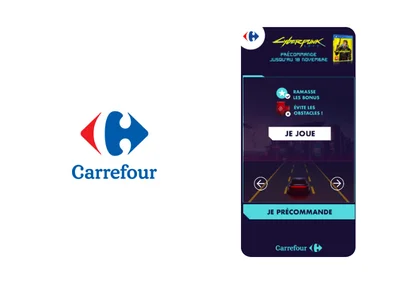
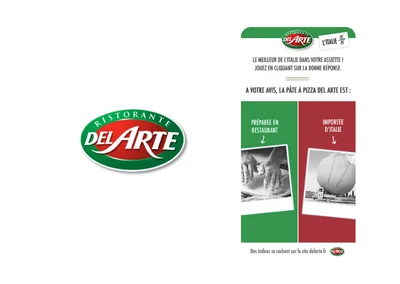
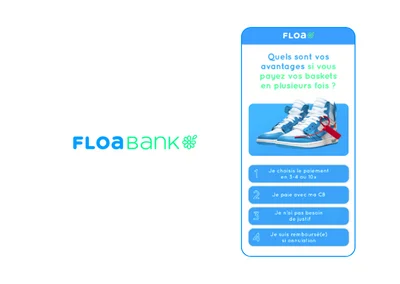
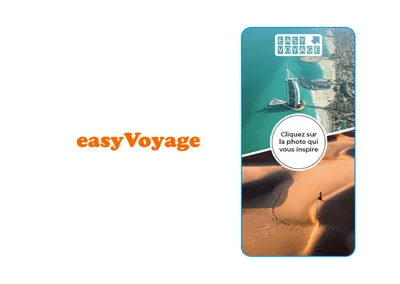
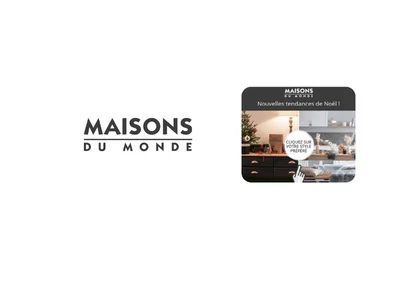
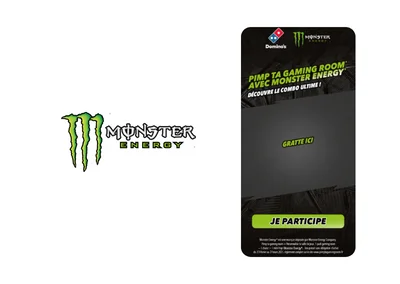
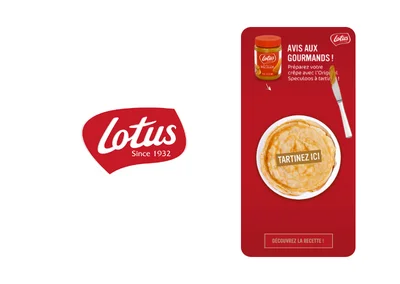
Playable ads campaign display

These low rates don’t necessarily mean that the ads featured are poorly designed or inappropriate, but rather that consumers are too used to seeing them and therefore more likely to ignore them. The Megaban and Skyscraper formats are the hardest hit, as they are considered advertising formats from the outset.

As a reminder, the formats available on Adictiz Playable Ads are:


Pavement (300 x 250)
Wide angle (300 x 600)
Cladding (1800 x 1000)
Interstitials (640 x 960)
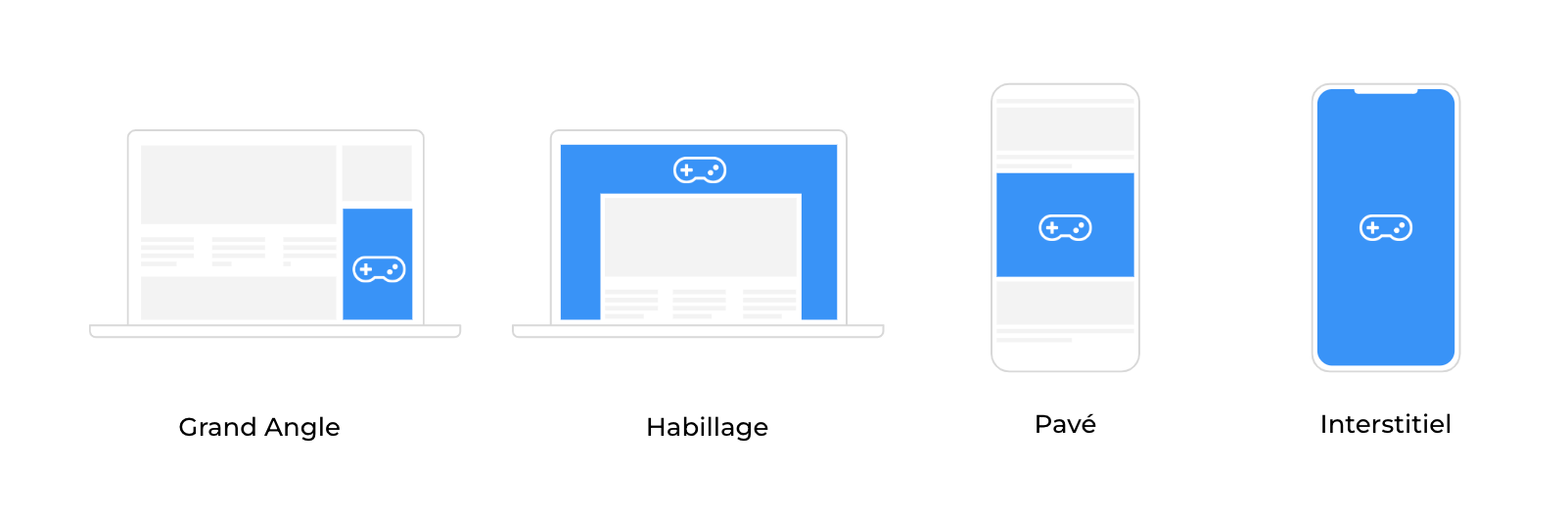
Playable ads adictiz display campaign

The lack of innovation in the advertising world is causing fatigue, and the solution may well be to be more creative in order to stand out from the crowd.

Ensure the visibility of your display formats with Playable Ads

Playable advertsing: a solution to counter banner blindness?

To answer the question we’ve just raised, it’s worth looking at the Playable Ads model.

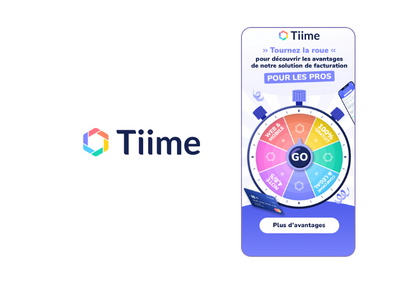
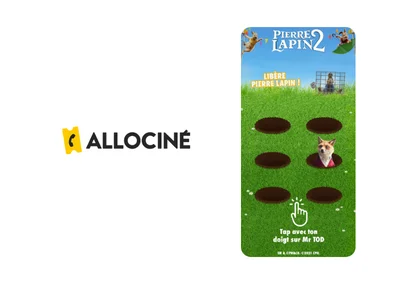
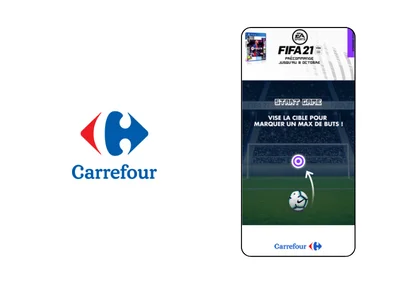
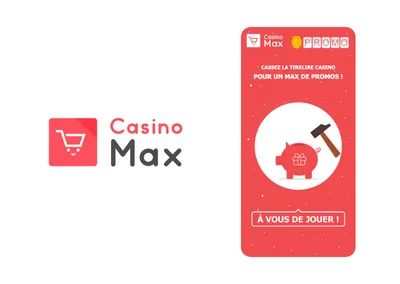
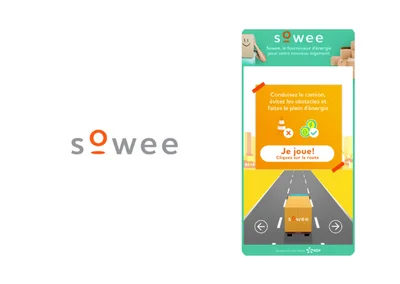
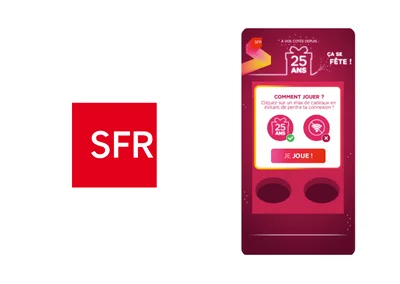
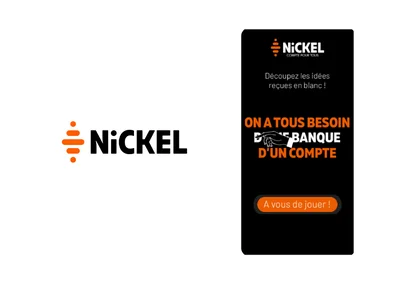
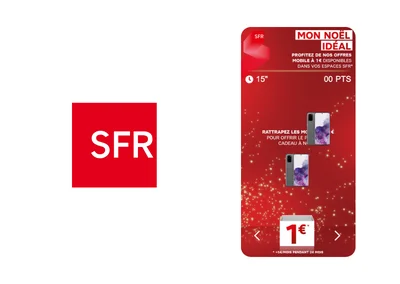
This interactive display format is ideal for boosting campaign visibility, performance and brand awareness.

Integrating a game mode into a advertising has many advantages and meets several objectives:

  • Raising awareness: publicizing and demonstrating the added value of an offer
  • An engagement objective: to encourage users to spend time and interact with a brand.
  • A qualification objective: capitalize on preferences by recovering user insights

The interactivity and playfulness of the format allows display advertising to stand out in today’s advertising landscape.
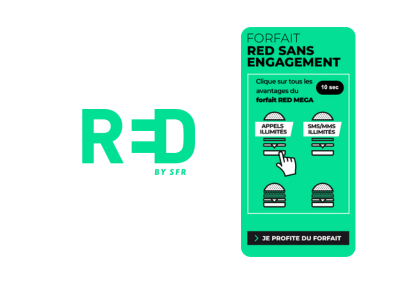
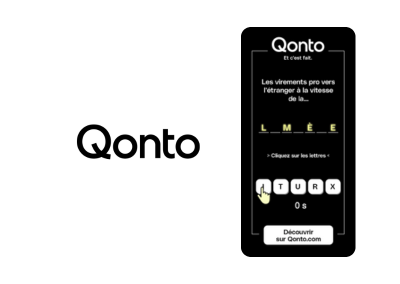
Would you like to discover other concrete example of Playable Ads? We invite you to discover three case studies in our webinar replay!

In this respect, the click-to-play rate of playable Ads (7%) is far higher than the average click rate of conventional display (0.10%)

It’s interesting to note that a playable Ads campaign performs better in terms of clicks than a classic ad. However, if the campaign only reaches a very small audience, its value is limited. That’s why it’s essential to consider the distribution plan for a campaign to ensure its success.


No campaign performance without an optimized distribution plan

How do you ensure the strategic and effective delivery of a Playable Ads campaign?

The first step in this direction is the integration of a targeted audience:

  • It must correspond to your personae, thus allowing a level of qualification of the people who will see the advertisement
  • Geographical area, demographics, centers of interest and more specific audiences are all possible information to integrate into targeting.

But that’s not all. You can also reach out to hyper-qualified audiences. And what could be more qualified than your own prospects or customers?

In playable Ads, it is possible to:

  • Retargeting means making your playable visible to your database or site visitors. This type of audience is the most qualified, but very limited.
  • Doing a lookalike, i.e. make your playable visible to an audience similar to your retargeting audiences. The advantage is that you’ll be able to reach large, highly-qualified audiences.
  • Interest-based targeting, i.e. making your playable visible to an audience with interests or hobbies consistent with your campaign.
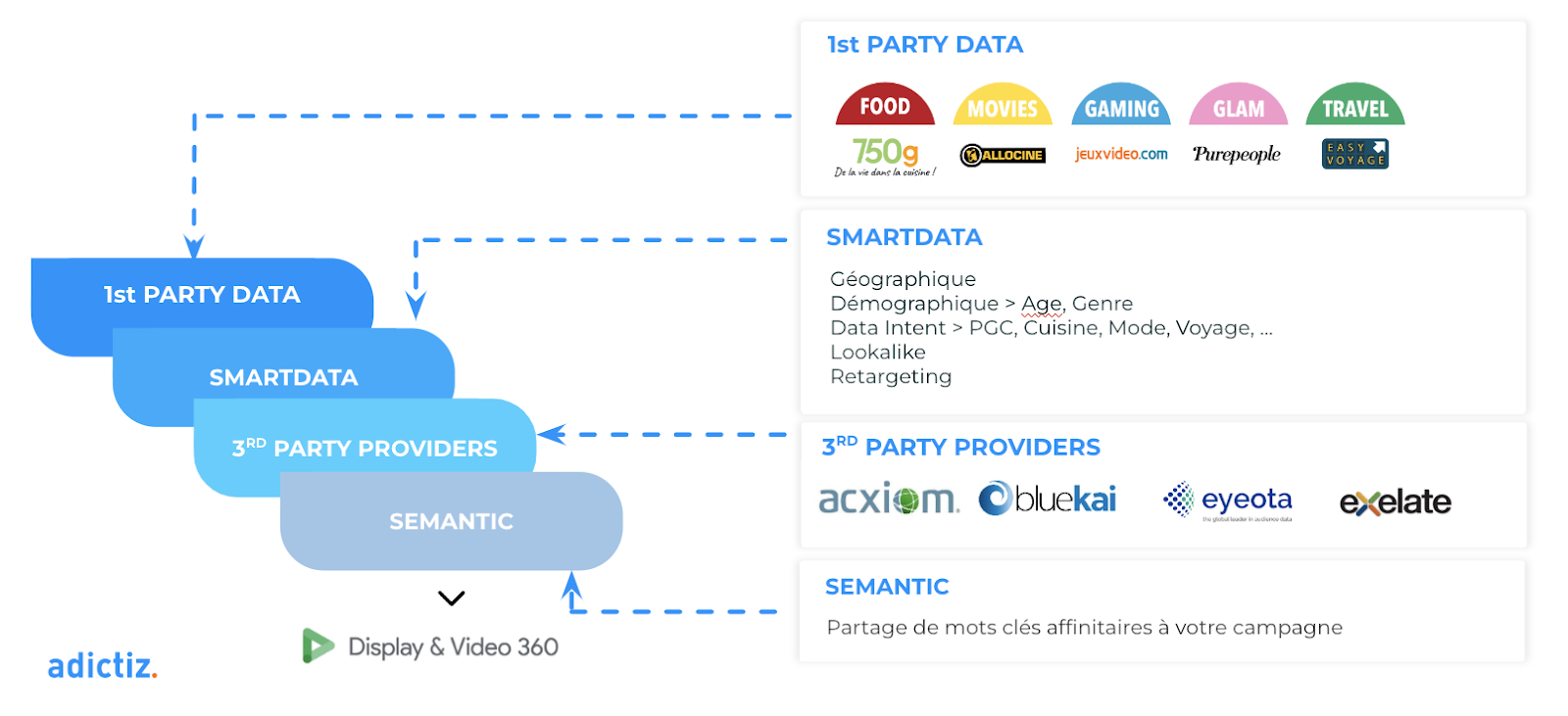
Playable ads diffusion

Increase recall and time spent with your brand thanks to interactive displays

As you can see from Dale’s learning cone below, the game format drastically increases memorization around an activity, product or brand.
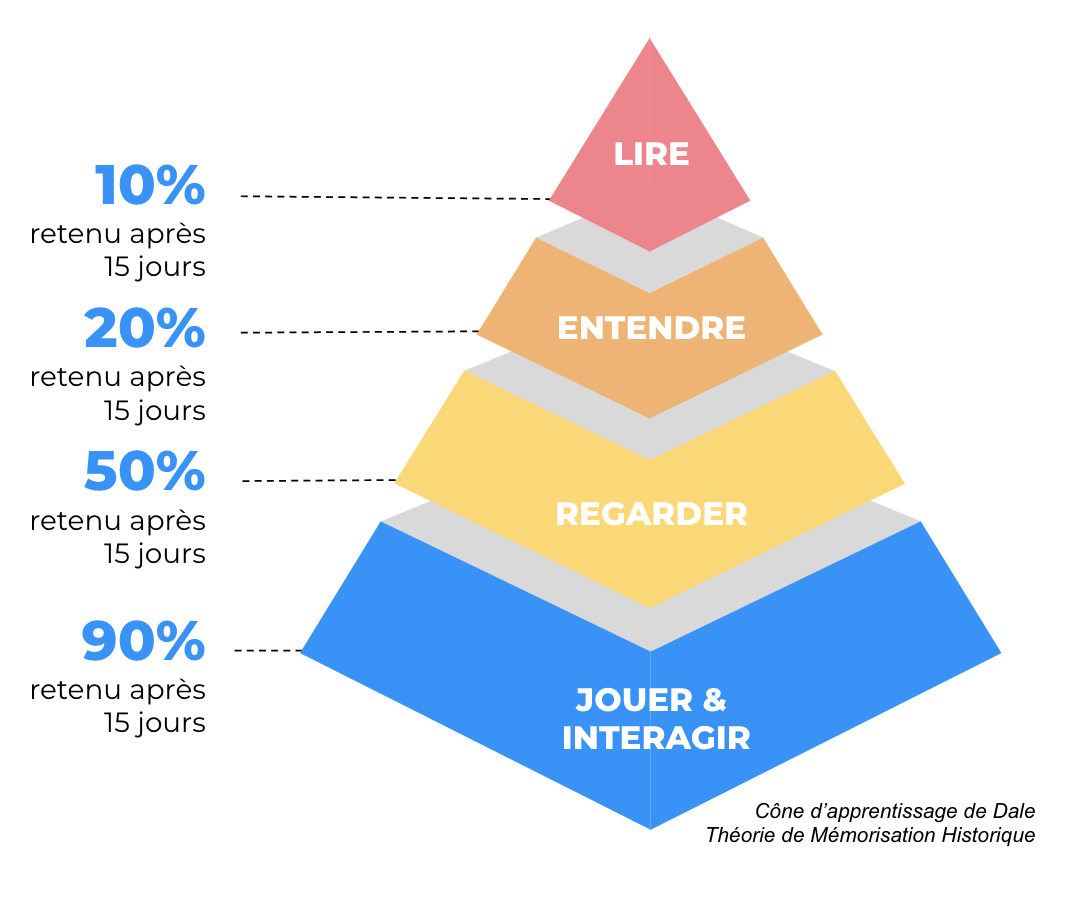
playable ads cone learning dale

The time a user spends with a brand is greater when he or she is viewing a playable format.

The strength of playable Ads is that they enable users to make direct and prolonged contact with offers, benefits or a message throughout the gaming experience.
What’s more, they can increase their level of qualification at every stage.

Conclusion

Congratulations, you’ve reached the final line! Want to find out more? Watch the replay of our webinar on the subject. In the company of Léa, Adictiz’s Acquisition Manager, discover our concrete customer use-cases on the subject, and take part in the QA session at the end of the webinar.


Webinar playable ads

User Generated Content: how can it enhance your marketing strategy?

User Generated Content: how can it enhance your marketing strategy?

Developments in technology and usage have largely transformed the way brands address their prospects and customers. Using product-oriented content or content influenced by end-consumers (user generated content) for content marketing is a strategy that is highly appreciated by brands.
Here are some best practices for optimising this new marketing lever tjat is UGC.

Create optimum conditions for publication and distribution

Blogs, forums, social networks, photo and video sharing platforms… user-generated content is disseminated across a wide range of media. Gather your community around a multi-channel marketing campaign and manage all the content published by your users to take full advantage of this strategic communication channel for your brand!

Get your community interested

Consumers are all too often exposed to advertising messages that interrupt their daily lives. Capture your audience’s attention with a fun, interactive game. Put the user experience back at the heart of your strategy to encourage them to produce high value-added content about your brand. It’s the ideal way to encourage interactivity and increase your appeal!

Sport and gamification adictiz

Vary the level of commitment

Encourage your community to create User Generated Content, share ideas and opinions, or spread your content on their favourite social networks. DIY, photos, text or video… Appeal to their creativity and boost their involvement! Using games on a regular basis allows you to maintain a relationship with your users and gain in authenticity.

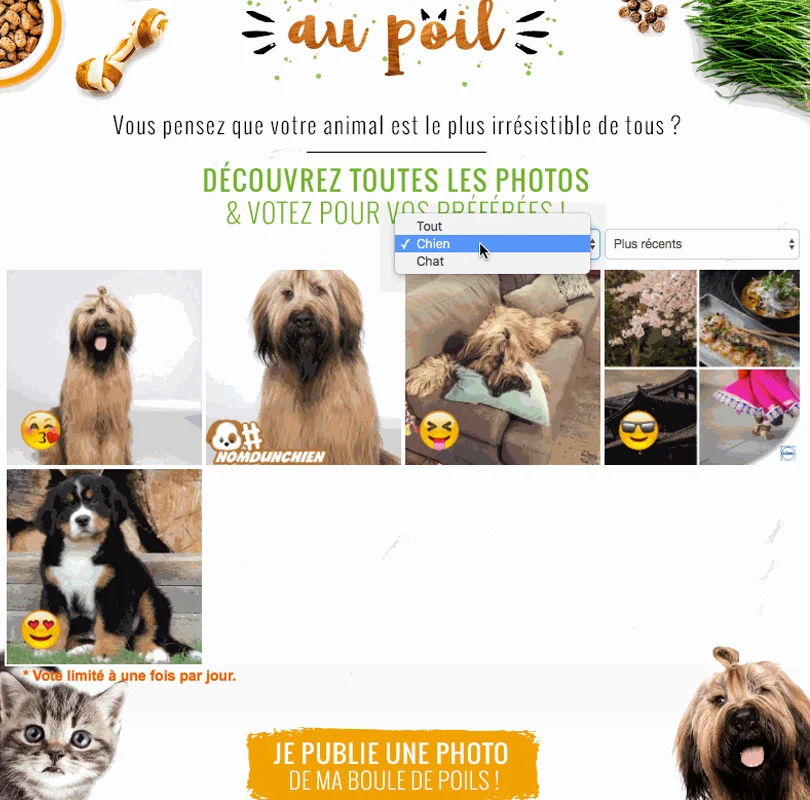
Lidl photo contest

Exploit the data collected

Benefit from the richness and diversity of the content produced by your users to assess the awareness of your products and deepen your customer knowledge. Analyse the frequency and visibility of publications to identify your community’s influencers and interactions. Promote those who play the game and turn these customers and prospects into brand ambassadors!

What is first-party data?

What is first-party data?

If you’re looking to collect valuable and reliable data, or are curious to find out more about first party data, then you’ve come to the right place. Find out how it can be useful to businesses and its crucial role in the world of modern marketing.

What is first-party data?

This data is collected from customers whenever they interact with a brand. By buying products or signing up to a loyalty program, for example. This information can be used to improve the customer experience on the merchant site or to send personalised offers to a database. It may include information such as name, age, telephone number or e-mail address.

Considered to be the most reliable source of data, the collection of first-party data is a highly prized objective for marketing teams.

Description of the data collection process

Collecting data, although systematic in marketing, is not trivial. We’re talking about sensitive information, but it’s also a commercial issue for companies.

The first step is to identify the data the company needs. This could be information about the location of their prospects and customers, or their age.

Once the needs have been identified, the format for collecting the information needs to be chosen. This can be a form or a survey.

First party data in digital marketing

La stratégie de collecte de données est devenue banale pour les marketeurs. En effet, le secteur du digital a pris une ampleur considérable ces dernières années et quelques abus ont été reportés. 

Respecter de la vie privée est un sujet qui touche de plus en plus d’utilisateurs. Ces derniers sont de plus en plus exigeants quant à l’utilisation de leurs données, ce qui explique la restriction récente concernant les cookies tiers sur divers navigateurs. Google a annoncé la fin de ces cookies face à la méfiance croissante des internautes. Il est donc urgent pour les marketeurs de trouver de nouvelles solutions plus respectueuses de la confidentialité des données, mais aussi de l’environnement.        

C’est pourquoi les données dites first party constituent un réel atout pour les marketeurs.

A valuable source of data

First-party data is a data collection strategy that is now very popular in digital marketing. Why ? Simply because information submitted voluntarily is qualifying data.

Thanks to customisable forms, it is possible to collect the data that brands need. Whether it’s to generate leads or to get to know your customer base better, first-party data is a valuable source of data. Collected transparently, it contains valuable and reliable information.

The role of first-party data

A stronger relationship with the customer

Getting to know your customers is the key to forging closer links and building loyalty. Offering personalised content or offers is what today’s users expect.

Participating in campaigns and voluntarily filling in information on a form provides a transparent data collection solution.

A more effective way of prospecting

Collecting first-party data enables companies to better understand their customers’ needs and preferences. However, this strategy can also identify the prospects most likely to become customers of the brand. Based on online behaviour and purchase history, companies can create target audiences for subsequent conversion. Offering personalised offers and getting prospects to spend time with the brand can make all the difference.

Better control of customer relations

First-party data collection has the advantage of being both reliable and transparent. Thanks to this strategy, companies can capture their customers’ intentions as well as any relevant information. This makes it possible to propose personalised content or offers and respond to potential customer needs. It’s an ideal way of improving the relationship between the company and its customers.

The different uses of first-party data

First party data is a powerful tool for companies and brands to better understand and target their customers. First party data can be collected from a wide range of sources, including websites, mobile applications and social networks. It is a source of data that companies can collect, analyse and exploit. This makes it easier for them to improve their products or services, their advertising campaigns and their marketing strategy. The Swiss army knife of data can be adapted to any situation!

First party data, very useful for your marketing team

First party data has become an indispensable tool for marketing teams. Data collection helps marketers to better understand customer journeys, discover the most effective communication channels and identify weak points in the customer experience. This enables marketing teams to implement more effective and profitable campaigns, while improving the overall customer experience.

This strategy is also effective for identifying market trends and preparing future collections or campaigns.

Analysing customer behaviour

En collectant les informations données volontairement par les utilisateurs, il est possible de créer des profils clients détaillés pour analyser des comportements d’achats. Les données first party incluent des informations sur les achats passés, les paniers composés sur le site marchand ou encore les commentaires laissés sur le site. 

Gràace à l’utilisation de ces données, c’est une conversation qui a lieu entre l’entreprise et sa clientèle. Les clients vous parlent et s’ils sont écoutés, vous pourrez alors les fidéliser et vous assurer que vos actions marketing soient efficaces.

Easier to improve conversion rates

Improving conversion rates is a real challenge for businesses. By using first-party data, you can distribute targeted offers to trigger purchases. Thanks to the valuable information collected upstream, you can respond to customers’ real needs.

Conclusion

In conclusion, gearing your strategy towards the collection of first-party data allows you to develop an ethical and more transparent approach. It is essential to listen to users’ concerns, while taking into account the changes on the horizon in terms of digital marketing.

This will enable companies to strengthen customer relations by learning about their preferences and purchasing intentions. What’s more, personalising offers and improving the customer experience will only improve the conversion rate!

Need advice on your first-party data collection strategy?