

4 examples of gamification for your marketing objectives

4 examples of gamification for your marketing objectives

Gamification in marketing enables brands to immerse their prospects and customers in highly differentiating interactive experiences.There are many examples of gamification in marketing. The element of fun, the promise of a reward and the opportunity to test your skills are all factors that make this approach to marketing much more effective than traditional promotional formats.

From brand discovery to conversion, not forgetting loyalty building, gamification offers relevant and easy-to-personalise engagement mechanisms.. Sans compter que cette stratégie peut être déployée aussi bien en boutique (via des bornes interactives ou des QR codes à scanner) qu’en ligne (on-site, in-app, sur les réseaux sociaux, via une campagne publicitaire multimédia, etc.)

To make the most of this powerful marketing tool, your brand can take inspiration from successful gamification examples. In this article, we share with you 4 successful use-cases, to be deployed at different stages of the customer journey and across different marketing channels.

1. Engaging prospects and customers in-app: the example of Quick

As well as increasing the number of downloads and unique users, one of the main challenges for brands that have developed their application is to engage and retain users over the long term. Gamification offers companies the opportunity to animate their community effectively, encouraging them to return to the application more regularly, and even to become VIP members.

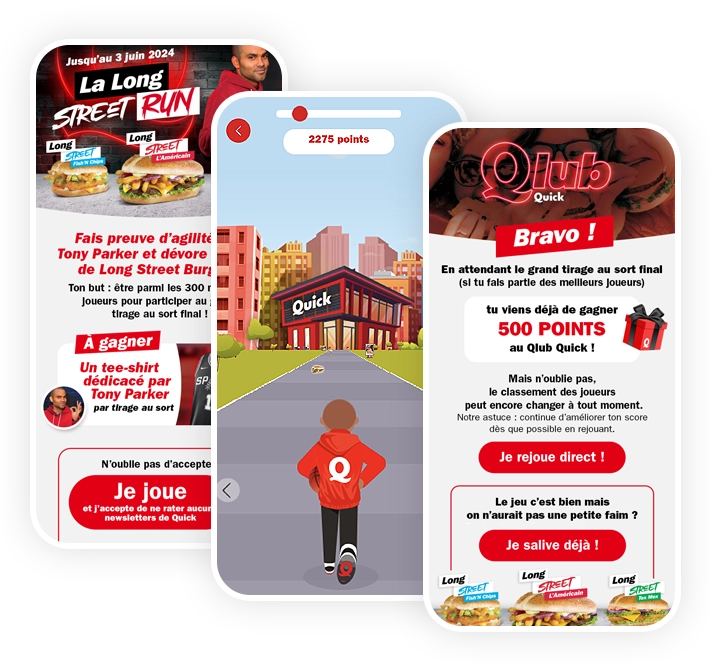
One example of gamification is the strategy implemented by Quick. The fast-food chain has launched a innovative marketing campaign on its mobile application, featuring Tony Parker and interactive elements. The main objectives of this gamification campaign were to generate new leads, to engage users, but also boost sign-ups to the loyalty program

The brand has therefore opted for a Playable App format (native ads that integrate perfectly with the mobile experience) and for the Outrun. La campagne a permis à Quick de recruter environ 4k inscrits en 1 semaine, dont 69 % opt-in (un record dans le secteur de la restauration).

The engagement target was more than met with this fun format, which saw almost 20,000 games played, illustrating the addictive nature of the game and the retention power of such an operation on a mobile application.
2. Animating your points of sale with interactive temrinals; the example of Galerie Lafayette

To attract consumers to their shops, keep them there as long as possible , above all, encourage them to go to the checkout (and increase their average shopping basket), retail companies need to focus on retail marketing levers. innovative. Gamification captures the attention of shop visitors and encourages them to buy in-store.

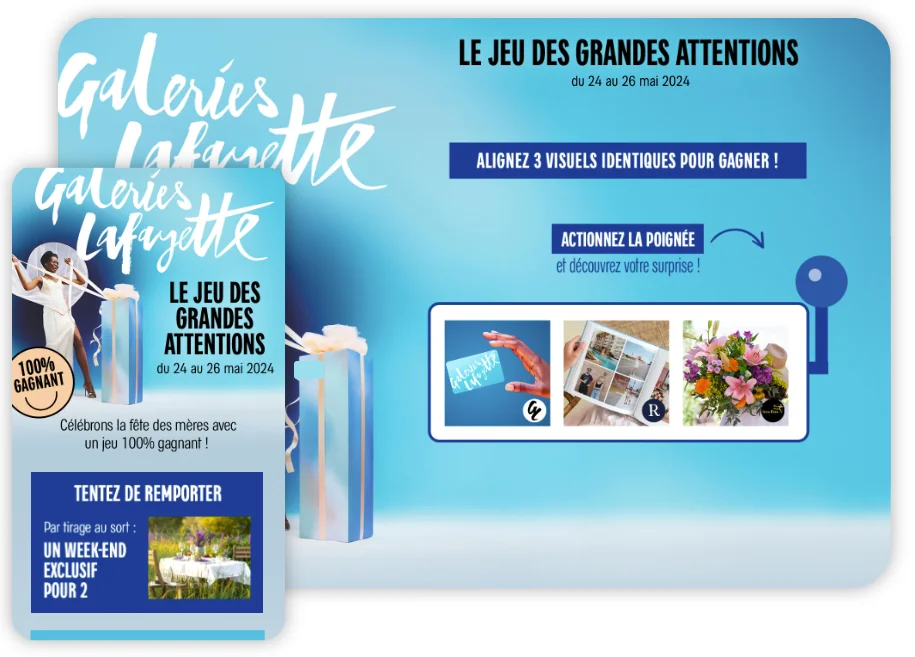
The famous Galeries Lafaeytte have opted for interactive marketing by intalling interactive terminals in 6 of their outlets. To mark Mother’s Day, the brand offered its customers the chance to take part in a 3-days 100% Winning One-Armed Bandit.

The aim of this Playable Marketing in store campaign was to animate points of sale during this key date in the marketing calendar. the results exceeded expectations in terms of in-store participation, demonstrating a real interest in the event and confirming the success of this initiative.

The Bandit Manchot animation was also available in mobile format in all shops in France via a QR code displayed on site. By opting for this cross-channel strategy, the company was able to considerable increase the reach of its campaign.

This enabled the brand to bring all its shops to life simultaneoulsy, with a 100% winning concept that was particularly attractive, as all particpants won a prize. What’s more, this co-branding operation allowed to collect opt-ins for Galerie Lafayette and its partner brand, Rosemood.
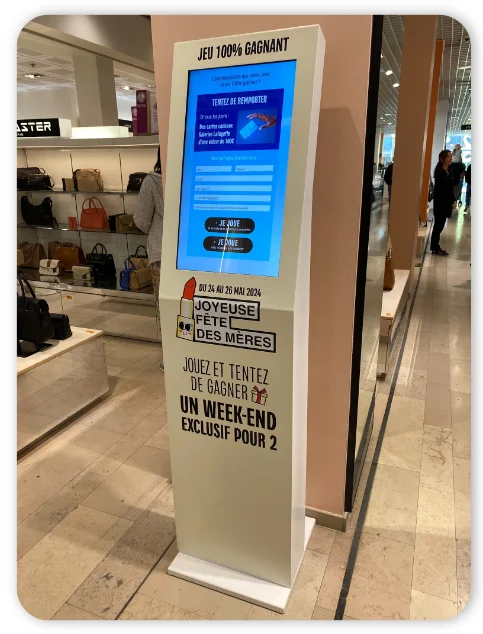
in store gamification example
example gamification in store one-armed bandit

3. Promoting products through gamification: the example of La Roche Posay

To boost their conversion rate and generate more sales, brands also need to innovate in the way they promote their products. Consumers are now sensitive to other promotional mechanisms, in particular social proof (via the opinions of other customers) and interaction with brands.

To raise the profile of its 4 new serums on the utlra-competitive Showroomprivé marketplace, the La Roche Posay brand opted or interactive marketing. In this example, of gamification, the company deployed a 100% winning moment to recruit new qualified leads and boost sales.

This interactive format enabled the company to distribute discount codesThe campaign encouraged participants to make a purchase. In additions, the campaign redirected users to the brand’s website, maximising conversions.

But the campaign also enabled La Roche Posay to qualify new prospects by giving them the chance to choose their favourite serum at the start of the game. The brand was thus able to collect customer preferences to better understand the needs of its audience. Thanks to the nearly 20,000 opt-ins collected, it can now carry out retargeting for future operations.
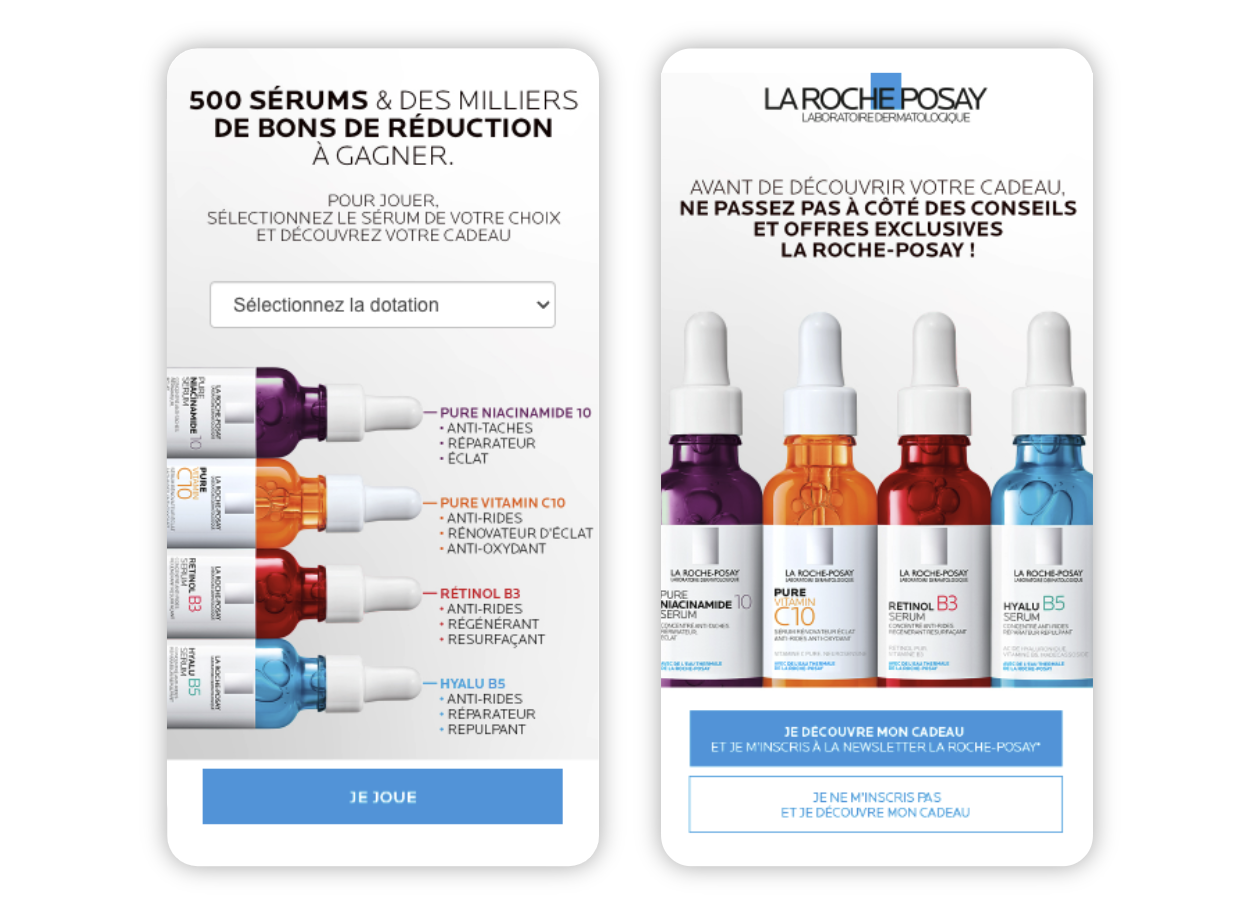
Example of a La Roche Posay endowment

4. Enriching your customer database; the example of Cyrillus

Enriching and qualifying your CRM database is a crucial marketing challenge for brands. This wealth of information enables them to better address the needs of its target audience, offer them personalised content and promotional offers, and this convert them to its various product and service ranges.

To collect and qualify customer data, retailers can once again rely of gamification. Interactive fromats and attractive prizes make it possible to capture the attention of your audience and encourage them to fill in a form or share product preferences using an adapted game mechanic (sush as Swiper, for example).

Among our examples of gamification, Cyrillus is the latest to be detailed in this article. The brand opted for this strategy in order to better reach and onvert its core target, young mothers. Its gamification campaign was based on a form with a prize draw at the end of the game.

The operation enabled him to pack in the precious missing information (children’s first names + dates of birth + missing telephone numbers). This data can then be reactivated in future campaigns to help the brand communicate at the right time and on the right offer for each customer profile.
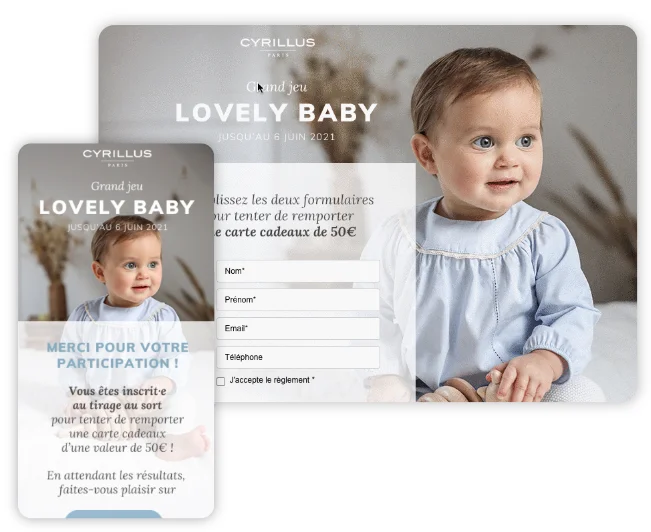
example gamification data enrichment

Conclusion

Theses successful examples of gamification show that this marketing tool can be used to meet the varied and complex challenges faced by brand. Whether you’re looking to recruit new leads, animate your community or build loyalty among your existing customers, interactive formats allow you to stand out form the crowd and better address your audience. Discover our catalogue of marketing games and interactive format and roll out more dynamic, high-performance campaigns!

In just 30 minutes, we’ll show you how to launch your own high-performance interactive marketing campaign.

5 ideas for improving customer relations with a marketing game

5 ideas for improving customer relations with a marketing game

Improving your company’s relationship with prospects and customers is absolutely essential if you are to achieve your commercial objectives. In fact, customer relations have a considerable impact on consumer engagement and brand loyalty, as well as encouraging them to recommend the brand to friends and family.

Optimising customer relations requires careful attention at every stage of the sales funnel. From discovery to conversion, not forgetting retention, brands need to multiply the points of contact with consumers and provide them with an impeccable service.

Gamification is an excellent way for brands to strengthen their relationship with their audience. By offering interactive, playable activities, they can give their customers a voice, promote their opinions and reward their interactions with personalized prizes.

In this article we invite you to discover 10 ideas for marketing games to improve customer relations. A chaque étape de votre parcours client, vous trouverez des exemples d’animations efficaces qui renforcent l’intérêt des acheteurs et boostent leur attachement à votre marque.

1. Discover the brand universe through immersive marketing games

The customer relationship begins even before a person has made their first purchase from a brand. This is known as the discovery phase, during which the challenge for companies is to strenghten their branding. Consumer want to know more about the brand, its offering and the values it stands for.

At this stage in the customer journey, the company can allow prospects to discover its world by offering immersive marketing games. Trivia, for example, will enable consumers to find out more about the company’s history or become familiar with its product.

But other techniques can be used to make this discovery phase more interactive. The Puzzle or Word Scramble can be used to get participants to guess the company’s differentiating features, such as its commitment to solidarity or the innovative features offered by its products.

To encourage consumers to take an interest in the band and its catalogue, the company can offer participants rewards. Vouchers or gifts will have the main advantage of encouraging prospects to extend their relationship with the brand and move up the sales funnel.

puzzle mechanics

2. Enhance the shopping experience with marketing games

Marketing competitions can also consolidate customer relations at the time of the first purchase. At this stage of the customer journey, the key is to be able to recommend a selection of personalised products, thereby enhancing the shopping experience.

Brands can, for example, offer a personality test at the start of the purchasing process on their e-commerce site (or via an interactive game terminal in shop). By answering a series of questions, consumers can tell the company what their main interests or needs are. The company can then use this data to suggest items that match their expectations (or even offer them a discount voucher on a personalised selection of products).

Other interactive activities, all geared towards customer knowledge and collection of product preferences, can also be used at this stage in the relationship between buyer and brand. The Gift finder is particularly interesting during peak marketing periods for gift buyingValentine’s Day, Mother’s Day, Christmas, etc.).

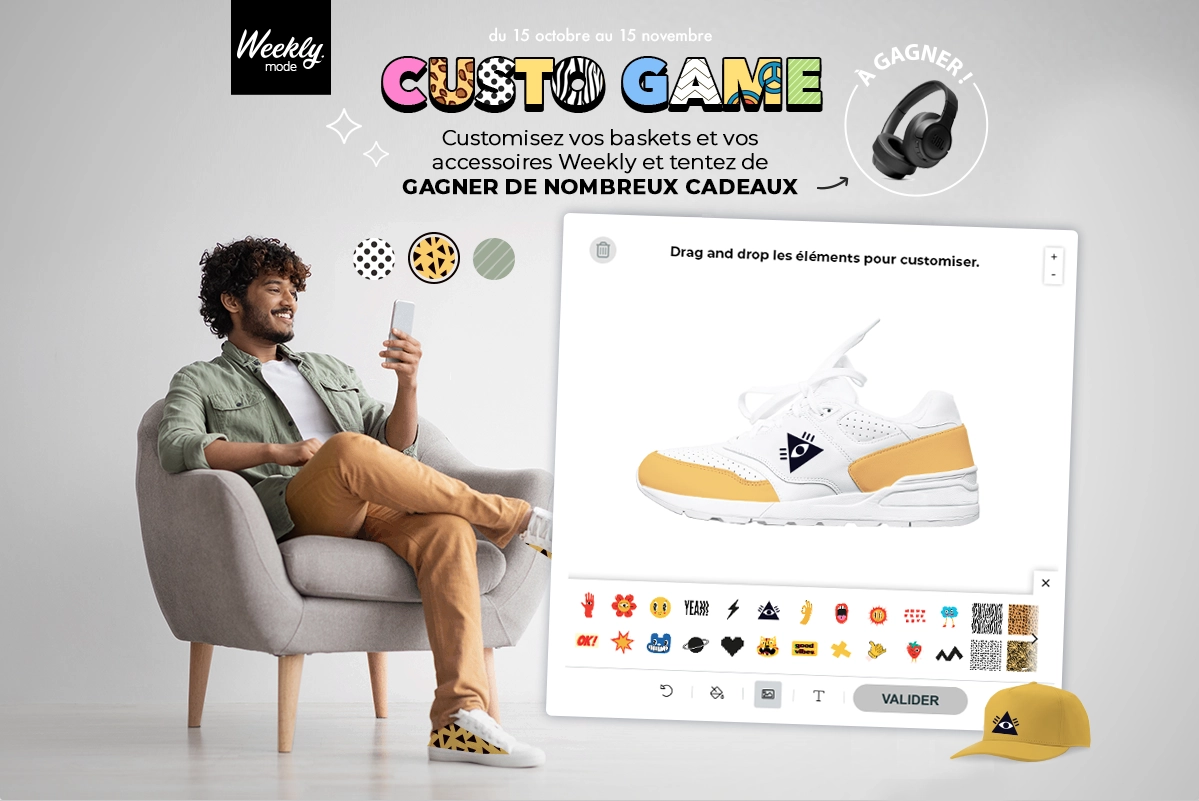
The Customizer is also an excellent idea for a marketing game to make the shopping experience more personalised. Shoppers can personalise their product (by changing the colour, for example) and walk away with a unique item.

voting mechanism

3. On boarding new customers with a marketing game

The onboarding phase is also crucial to improving customer relations. This is particularly the case for companies offering a service (or a digital product such as software, for example).

Retail chains are also sensitive to the issue of onboarding, as their customers are encouraged to create a personal account (via a dedicated application) to manage their purchases and loyalty program. The same goes for the banking sector, which offers a similar customer experience.

A marketing game such as Treasure Hunt can be proposed to simplify the creation of a customer account. The company can also improve the demonstration of its product or service to give users all the keys to the best way of using it.

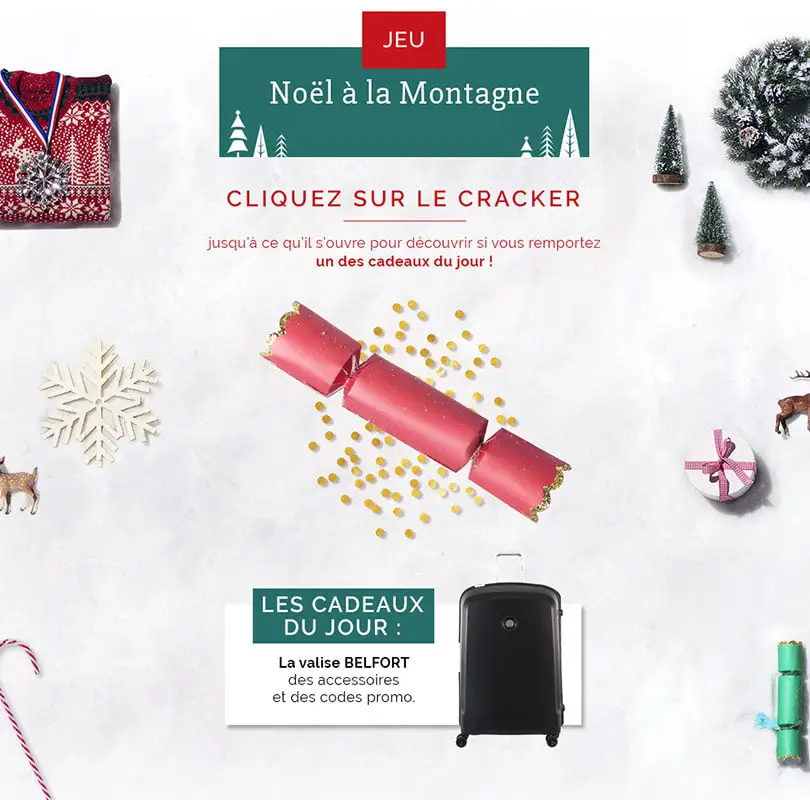
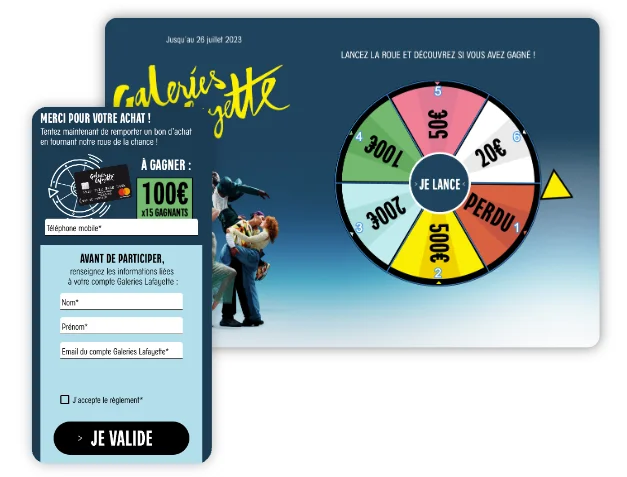
But whatever the sector of activity, onboarding can also take place when people sign up to a brand newsletter. To reward new subscribers, and encourage them to become active customers, the company can incorporate an instant win into its e-mail address collection form. By launching a Wheel of Fortune or playing the Pinata game, new subscribers can win a promotional code, valid only on their first purchase (and for a limited time, which will boost the conversion rate of this marketing game).

pinata game customer example adictiz delsey

4. Collect preferences and feedback to improve customer relations

Good customer relations also mean knowing your audience. Companies need to collect data on their audiences so that they can personalise their experience with the brand and offer them content that is better adapted to their expectations and needs.

Interactive mechanisms such as Polls, Quizzes and even Battles are highly effective for collecting feedback on the shopping experience itself or on the products marketed by brands. The latter can then use this to personalise future campaigns (emailing, for example).

But is can also use this feedback to make the e-commerce and in-store customer journey smoother. For example, an interactive survey shared on-site or by email once the order has been validated can identify any areas of friction that need to be improved (checkout taking too long, lack of information on delivery arrangements, etc.).

Generally speaking, consumers will be sensitive to the attention the brand pays to them and its desire to boost their satisfaction. But it may also be a good idea to reward this sharing of feedback by offering rewards (extra loyalty points, discounts) to customers who play along.

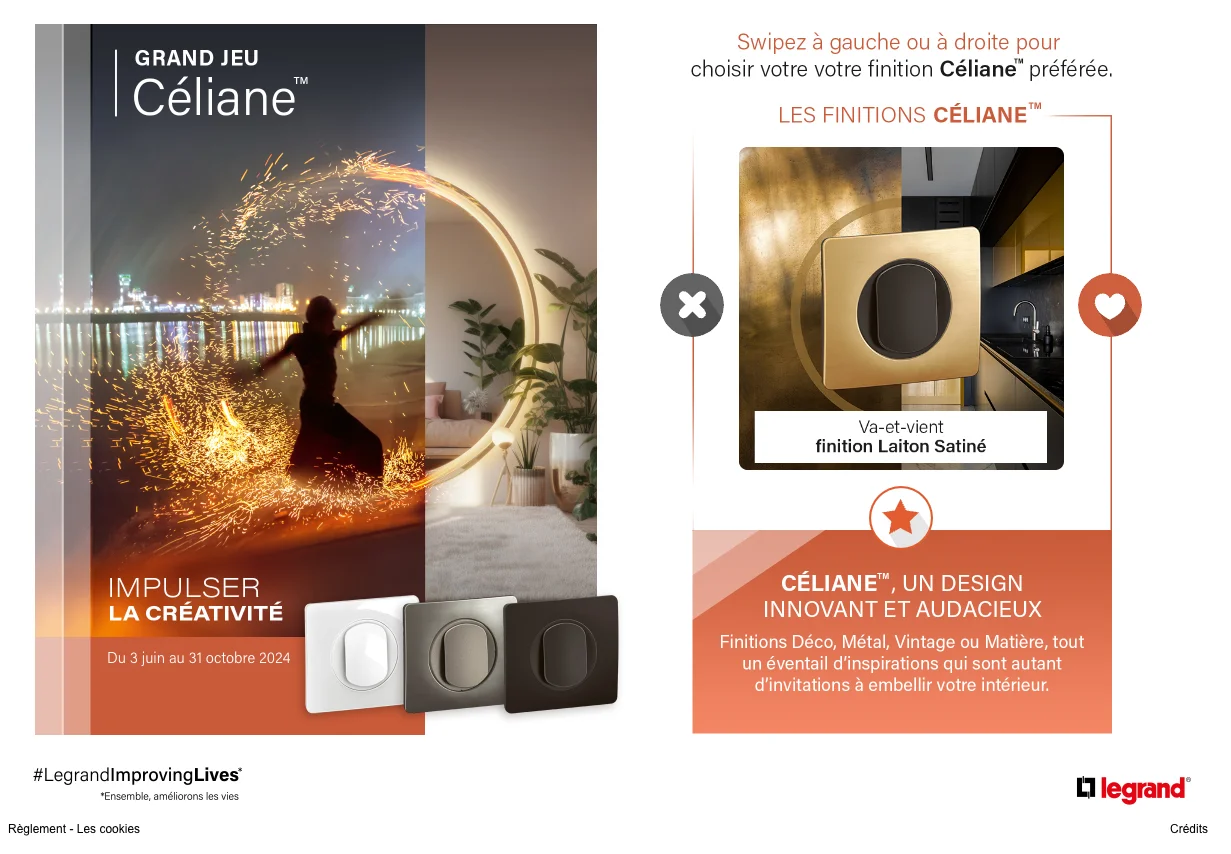
improve Celiane's customer relations

5. Reward your best customers with a loyalty program

Which brings us to the final stage of the customer relationship. Loyalty is a crucial issue fro brands. It is more profitable to retain existing customers (and encourage them to buy again) than to convert new prospects.

The main way for companies to prolong their customer relationship as long as possible (and thus boost the lifetime value of each buyer – or BLV) is to reward loyalty. To do this, they can create a gamified VIP program, offering marketing games exclusively reserved for their best customers. Each interactive activity (such as an instant win or a puzzle game like Memory) will earn new points and unique rewards.

Companies can also gamify their affiliation program to turn their customers into brand ambassadors. By creating a competition between each of them, the brand can encourage them to talk about its products or services around them in order to convert new customers. The best ambassadors will be able to unlock exclusives prizes or benefits (such as invitations to brand events, visits to the company’s premises, etc.).

Wheel of fortune Galeries Lafayette

Conclusion

Playable Marketing is an excellent way of improving customer relations. By offering animations at every stage of your sales funnel, you can create a unique bond with your audience, get to know them better and offer them a unique and personalised shopping experience. Multiply the points of contact with your customers thanks to our interactive marketing games !

In just 30 minutes, we’ll show you how to launch your own high-performance interactive marketing campaign.

Ouest France: how to attract new users through gamification

Ouest France: how to attract new users through gamification

Developing a mailing list and collecting new users are key issues. Once subscriptions have been made and opt-in obtained, this audience can receive information about services or products.

There are several ways of encouraging prospects to register for a tool, service or platform. The collection of opt-ins and registration can be offered at different points in the marketing journey. By optimising this strategy, brands can expand their audience and hope to convert and retain a large number of customers.

Marketing highlights, when consumers are interested in brand content, are crucial moments. By creating effective campaigns, using techniques such as gamification, brands can collect enriched and reactivatable opt-ins.

In this article, we explore how to turn a branded event into an opportunity to generate users. We will look at the notion of enriched opt-ins and how they can encourage the act of buying. To illustrate this, we’ll take the example of a campaign run by the Ouest France media.

Marketing challenges in the press sector

In the age of the Internet and social networks, the press media are faced with marketing and commercial challenges. It is becoming complicated for companies to maintain their financial health, given the competitors that have emerged. These include pure-play media (such as Mediapart), which have taken on the print media, as well as influencers and content creators. The latter represent an alternative to traditional media (among the younger generation).

Among the challenges facing the sector, the media point to the decline in advertising and their traditional sources of revenue. They have had to turn to new business models (the paywall, which consists of offering certain content free of charge to encourage visitors to take out a paying subscription).

Trust in information is a priority for the media. They cite the accuracy of the content (40%), being perceived as a trusted medium (23%), as well as audience development (17%) as the main issues they need to work on. The veracity of information and the reliability of sources are at the heart of their concerns, particularly in the face of the arrival of AI.

Attract new users to meet media challenges

To meet these challenges (standing out from the competition, converting readers, creating a bond of trust), the media are turning to the collection of new users and enriched optins (collecting preference data in addition to user consent).

By developing their mailing lists and subscriber bases, companies can build up an audience with which to communicate directly (via personalised emails).This audience can be nurtured (this is known as lead nurturing) to provide them with high value-added content. This may involve encouraging them to create an account or take out a paid subscription in exchange for benefits (exclusive offers).

This registration will create a link between the prospect and the media. It will enable the company to to achieve several objectives that are crucial to its growth:

  • Better understand your audience and collect their preferences (content categories and formats, preferred information channels). This data will enable the media to adapt its editorial line and offer personalised newsletters;
  • Reactivate users interested in the media by offering them incentives to create an account or even take out a paying subscription (discounts, goodies, etc.);
  • Generate visits by offering relevant content that encourages subscribers to visit the site. This increase in traffic will enable the company to negotiate advertising partnerships and generate greater revenue.

Gamify a special event to collect enriched opt-ins

Gamification is an effective way of collecting registrations and enriched optins. The interactive and playful nature of the game mechanics helps to attract and capture the attention of its target audience.

By offering a reward in return (discount, voucher, exclusive content), the media can easily encourage their audience to share their email and consent to the communication being sent.

This strategy is effective when it is implemented during a peak marketing period. Users are alert to the opportunities that brands can offer and are more inclined to make a purchase. The end-of-year festivities are a high-consumption period. A media audience will be looking for good deals to save on a subscription, for themselves or as a gift.

With an opt-in valid for 13 months, the media will be able to use gamification to re-engage their database (and collect new data).

The example of Ouest France

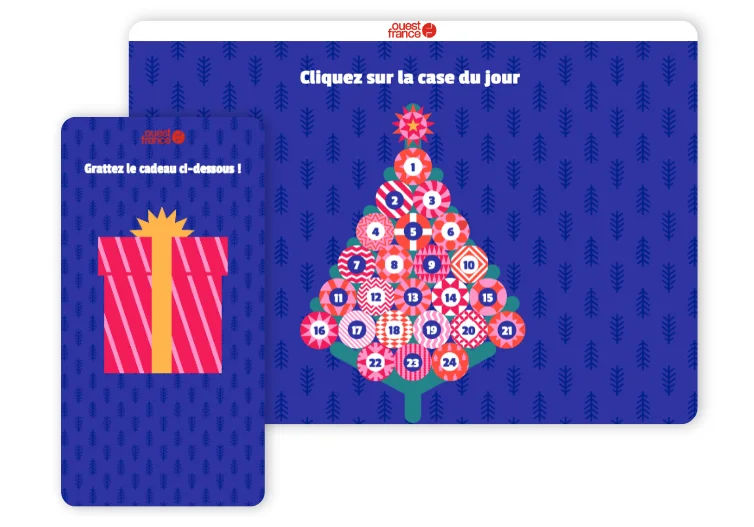
The Ouest France media chose to use gamification marketing to animate its audiences during the month of December. The aim of the campaign was to develop this audience.

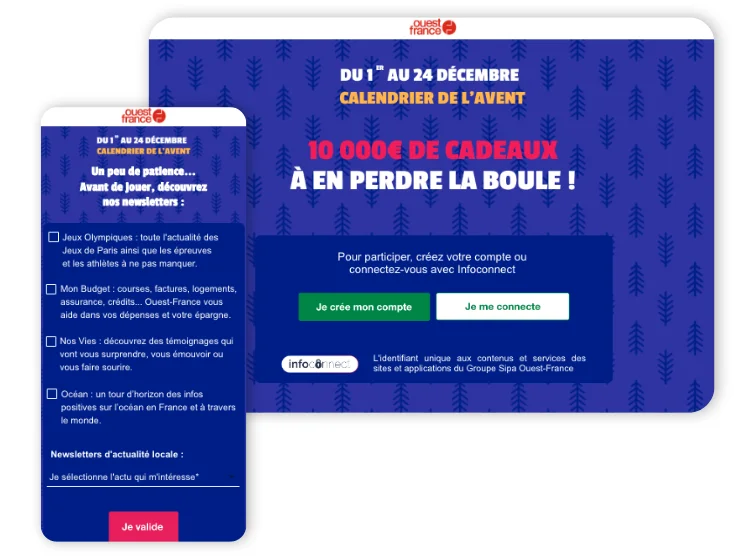
Participants in the operation had to create a Ouest France account to take part in the Advent Calendar. To reach a wide audience, the competition was broadcast on the newspaper’s website, on its app, in the press and via email campaigns.

Every day, from 1 to 24 December, Ouest France offered an animation in the form of boxes to be opened. After creating an account and filling in the collection form, participants could win attractive prizes such as a holiday, household and high-tech appliances, shopping vouchers, etc.

ouest france attract new users

The objective was more than achieved, since 25% of the participants in the operation came from the creation of a new account (i.e. 21,000 new accounts created via the operation).

Ouest France was able to capitalise on the engagement to collect enriched opt-ins on different themes (thematic preferences of future readers). The medium was then able to use this data to encourage subscriptions via targeted retargeting email campaigns.

ouest france opt-in collection

Conclusion

Gamification, particularly during a peak period in the marketing calendar, is an excellent strategy for attracting new subscribers and enriching your customer base. Discover
our marketing animation catalog and boost customer account creation!

In 30 minutes, we show you how to launch your own high-performance interactive marketing campaign