

Online surveys: 5 examples of successful interactive campaigns

Online surveys: 5 examples of successful interactive campaigns

To offer relevant products/services and an unforgettable experience, retailers need to understand what motivates their audience. This is a challenge facing marketers.

And yet, online surveys are very simple data collection tools. In this article, we present 5 scenarios in which online surveys can make all the difference to a brand’s marketing strategy.

1. Create interactive surveys to refine your customer knowledge

Surveys provide a better understanding of customer behaviour. They help companies to gather data about their audience. They are useful for collecting product preferences or analysing purchasing habits.

The aim of the survey: To create personas and/or segment your audience.

Example of a survey: ‘What criterion counts most in your purchasing decision?’ or ‘How often do you buy X type of product?

The benefits of the survey: it allows you to adapt your offer and communication to meet the needs of your target audience.

Use case: Club Med’s ‘Which destination is right for you?’ campaign attracted a large number of visitors. The online surveys generated a flow of new leads and opt-ins, thanks in particular to the targeting of the Adictiz Ads campaign. Thanks to an optimised game path, Club Med was able to qualify these leads by collecting data such as the most liked resort.
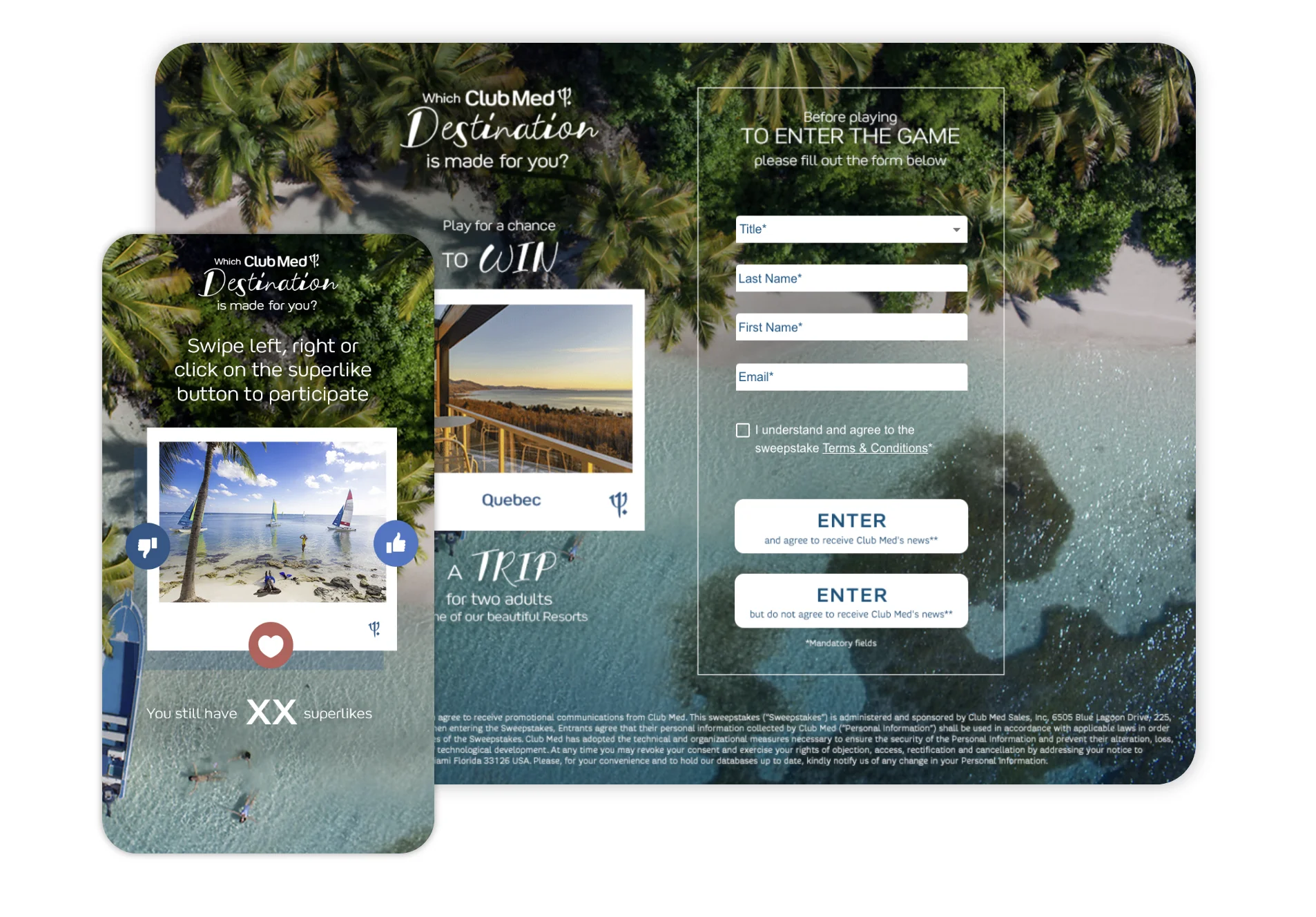
Club med - swiper interactive polls

2. Qualify prospects with online surveys

To optimise their marketing efforts, brands need to identify leads that have a high probability of converting.

Surveys enable prospects to be filtered and segmented according to their interest in an offer or their position in the buying journey. This format therefore helps companies to identify (on the basis of the responses submitted) qualified leads. They will be able to focus their efforts on users who have a chance of making a purchase or whose average basket will be the highest.

The aim of the survey: to prioritise sales actions and personalise the approach (to improve retargeting campaigns).

Example survey: ‘What budget do you allocate to this type of product?’ or ‘What are your current challenges?’

The benefits of the survey: Rate each prospect according to their potential LifeTime Value and facilitate conversion by understanding prospects’ expectations.

Use case: Leroy Merlin’s ‘Renovation’ campaign collected leads (via the creation of customer accounts) by qualifying them. The mechanism used was a Swiper, which invited users to choose between several project proposals. Each lead was segmented according to their purchasing intentions (kitchen, bathroom, decorating preferences). The brand was able to send personalised offers tailored to the needs of the participants.
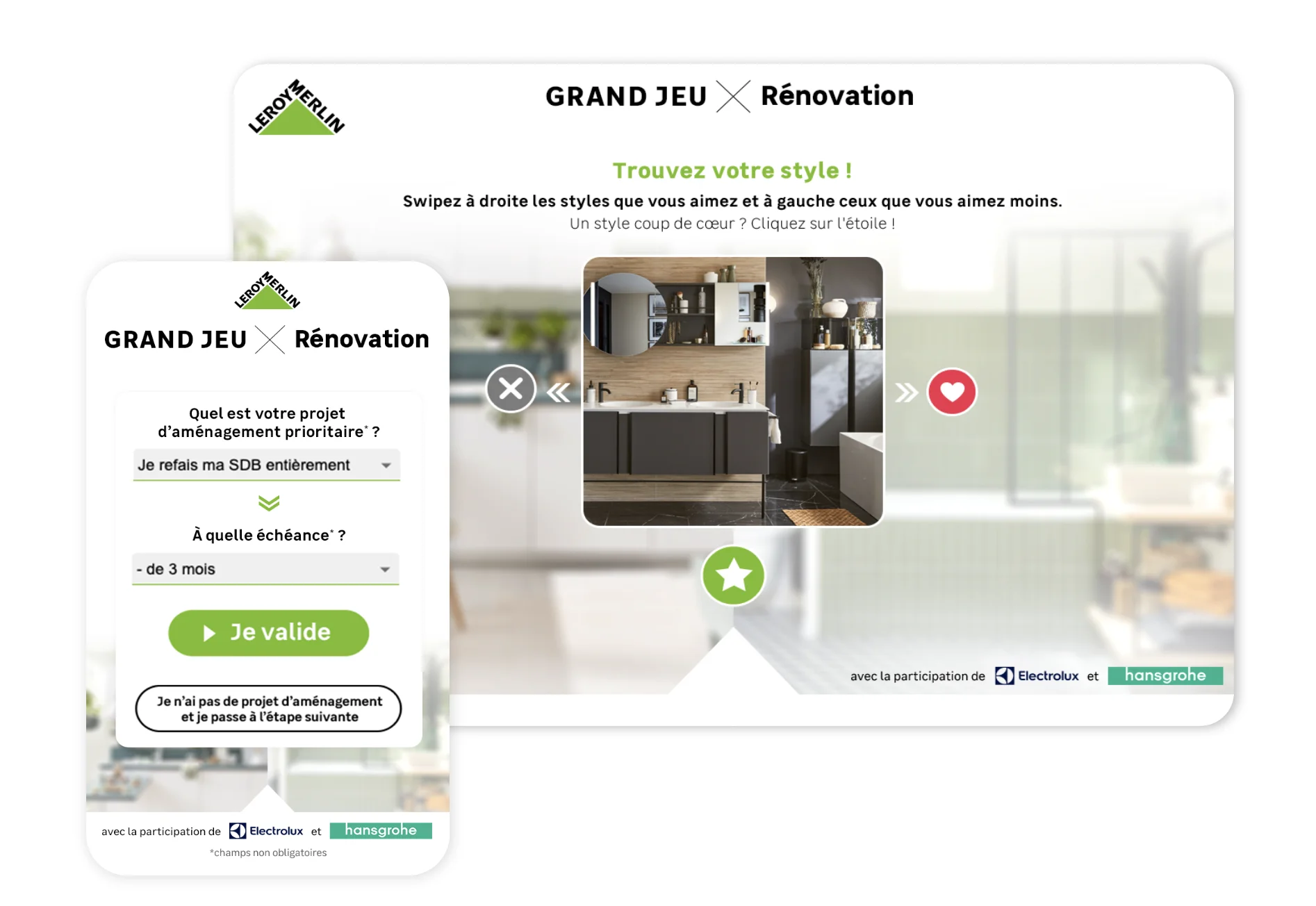
Leroy Merlin - swiper online surveys

3. Boost brand awareness via a digital survey

The survey can be used as a communication tool to increase visibility and reach a wider audience. By publishing the results of its survey, the brand positions itself as an expert and engages its community.

The aim of the survey: to create content and share useful insights.

Example of a survey: ‘70% of consumers prefer fair trade products’ (result of a study carried out by the company).

The benefits of the survey: Improve your brand image and attract the attention of the media and prospective customers by highlighting the relevance of your positioning.

Use case: The Nouvelle-Aquitaine region launched a Swiper competition to promote its landscapes to travellers from neighbouring countries. Thanks to a targeted media campaign, the operation generated a desire to discover the region. The game highlighted the diversity of its landscapes. It also helped the region to identify participants’ preferences. This made it possible to target communications at destinations that were attractive to them.
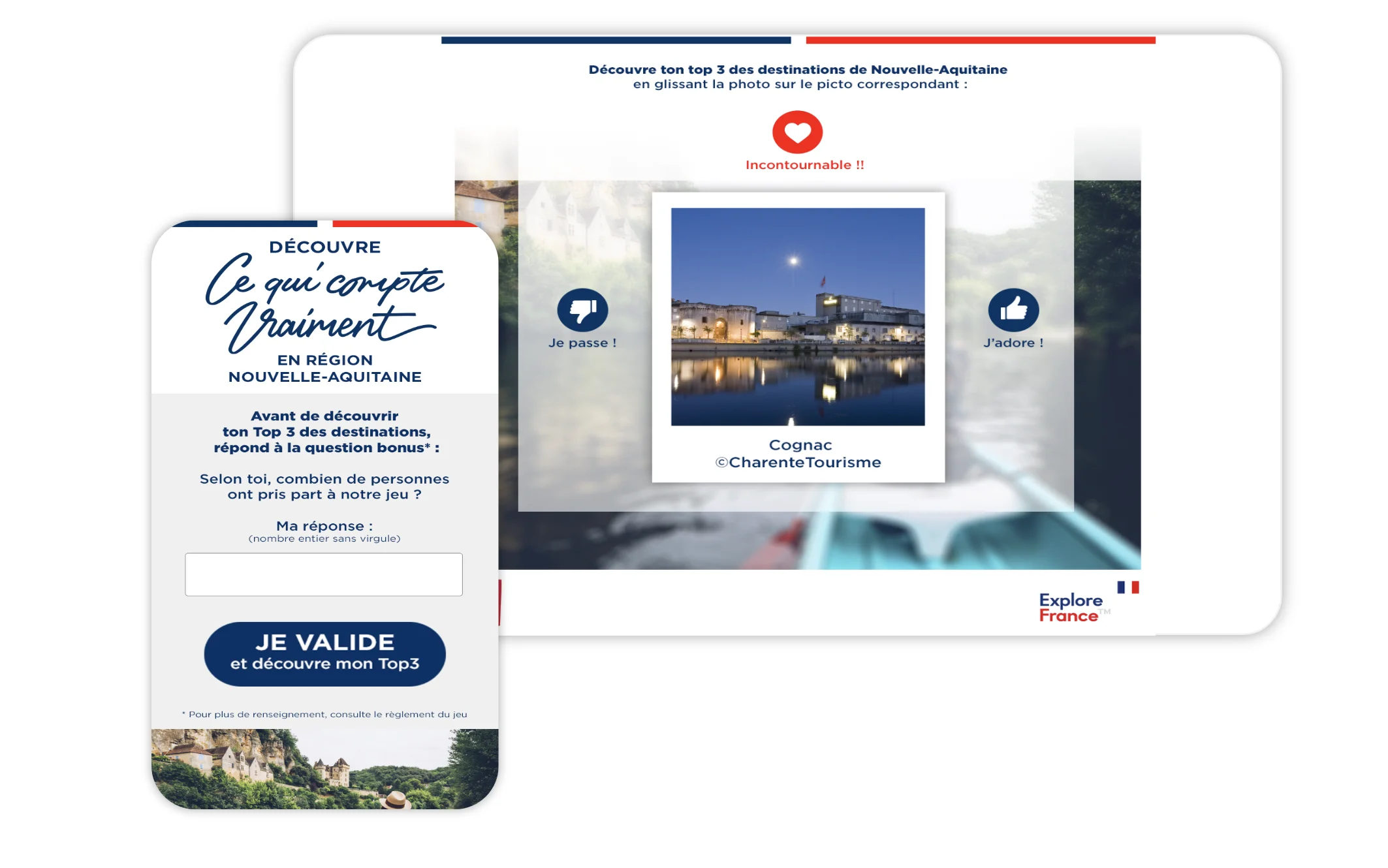
Nouvelle Aquitaine Region - swiper

4. Promote your products via online surveys

Surveys are an opportunity to promote products or services. They allow you to test concepts, functionalities or offers with the market. They can also be used to present the added value of your catalogue in a fun, interactive way.

The aim of the survey: to validate a product and promote its benefits.

Example of a survey: ‘What feature attracts you to our product?’ or ‘Would you be prepared to test this new product?’.

The benefits of surveys: Optimise product launches and encourage adoption through direct feedback.

Use case: Legrand’s Céliane campaign highlighted the products and finishes offered by the brand. The campaign was based around a Swiper game, supported by Adictiz Ads media coverage and a push opt-in stage to maximise registrations. The results reflect user interest in the brand. With more than 111,000 games played and an average of 5 games per subscriber, the campaign helped to engage the audience.
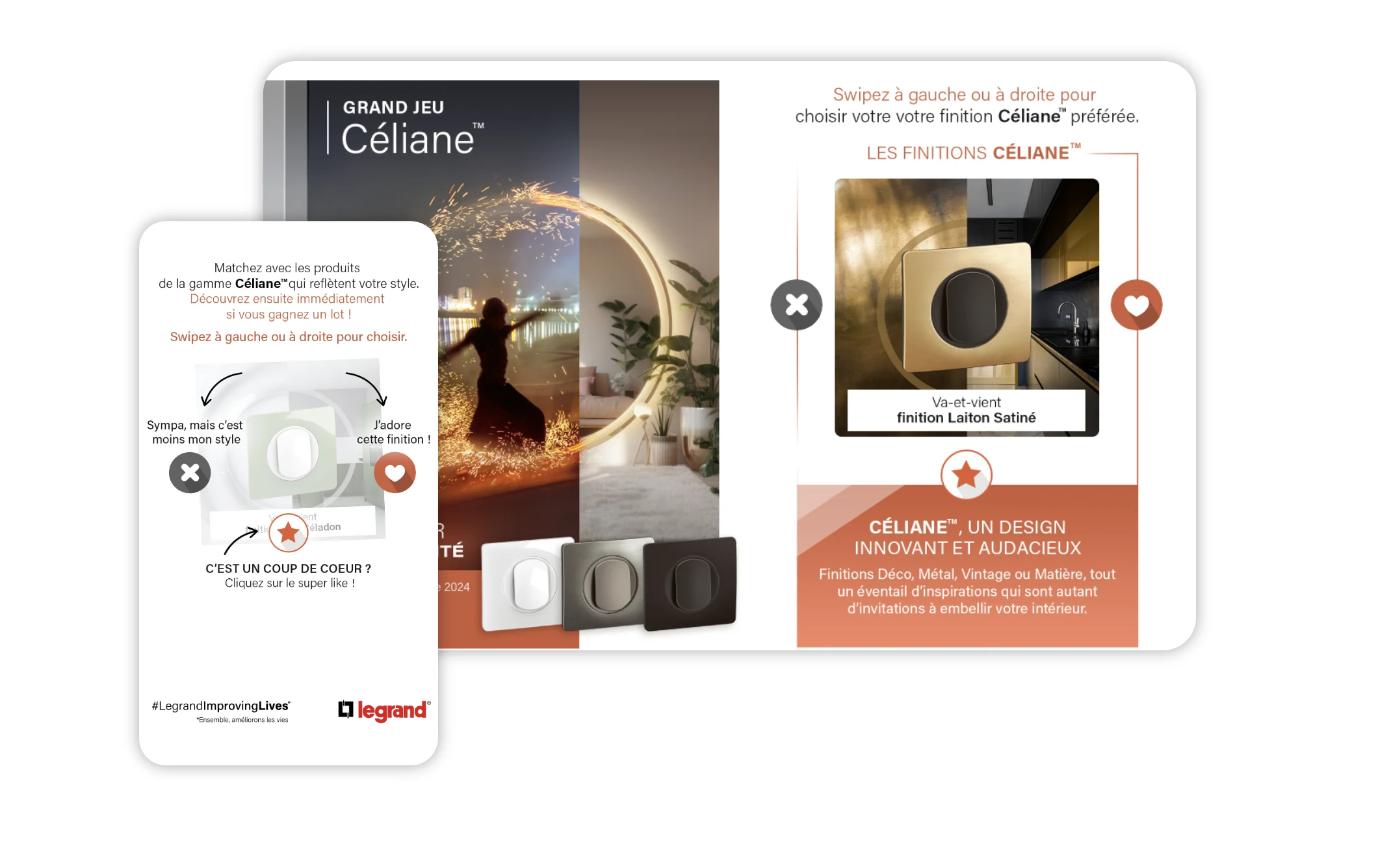
Legrand - Céliane Swiper set

5. Improve the customer experience by collecting feedback

Surveys are a way of evaluating and improving the customer experience. By soliciting feedback after an interaction or purchase, retailers can identify what is working and where improvements are needed. This could be satisfaction with a product, the quality of customer service or the efficiency of an online journey. This feedback enables data-driven decisions to be taken and an optimal customer journey to be offered.

The aim of the survey: to optimise the user experience and strengthen customer loyalty.

Example of a survey: ‘How would you rate our service? What improvements would you like to see in our product?’

The benefits of the survey : By responding to customer feedback, the company demonstrates that it is listening to them. This strengthens their commitment and loyalty by improving the quality of the offer.

Use case: McDonald’s uses surveys to improve the customer experience. Faced with a drop in sales, the chain intensified its collection of customer feedback to identify the improvements it wanted to make. The surveys revealed the relevance of offering a simplified menu and better quality ingredients. McDonald’s implemented these changes, which led to a 4.1% increase in sales.

Conclusion

Online surveys are versatile marketing tools that can be used to analyse the behaviour of your audience, qualify your prospects, enhance the appeal of your offer and boost customer loyalty. To create a truly engaging survey experience, rely on gamification. Adictiz offers you a range of fun polling techniques to suit your brand universe and strategic objectives!

In 30 minutes, we show you how to launch your own high-performance interactive marketing campaign

Home and garden marketing: 3 examples of spring competitions

Home and garden marketing: 3 examples of spring competitions

Marketing in the home and garden sector is booming since the pandemic, with the French investing in their living spaces. According to a study by the Fédération Française du Bricolage, spending on home improvements has risen by 6.2% in 2020. The gardening market is expected to grow by 16% in 2021.

This growth has been accompanied by increased competition, with :

  • The arrival of new players,
  • The rise of digital commerce
  • The ehigher expectations of consumers, more and more of whom are taking up DIY without necessarily being experts.

Faced with these challenges, it’s essential for brands to adapt to trends and offer solutions tailored to the audience’s expectations. In this article, we share advice and examples of how to capture attention and boost sales through competitions during spring.

Marketing challenges in the home and garden sector

The home and garden sector has a number of characteristics:

  • a wide range of products, from home furnishings and decorations to garden equipment;
  • its seasonality, with demand influenced by trends and the weather;
  • more complex logistics, for stock management, for product delivery and assembly/returns, etc.

Because of these particularities, the marketing challenges faced by retailers are different from those faced by other sectors.

1. Marketing based on trends and product innovation

The home and garden sector is influenced by trends, in terms of design, materials or technology (think of connected home tools). Brands must innovate to meet consumers’ changing needs. They are looking to improve their quality of life and personalise their space.

2. A seasonal sector requiring effective demand management

Demand for products related to gardening, home maintenance and decoration peaks according to the season. Garden equipment and plants are popular in spring and summer. Heating and home decoration products can experience a sales surge in winter.

The major vertical brands need to optimise their campaigns around the seasons. What’s more, they are banking on an ultra-wide catalogue in order to be attractive and profitable throughout the year.

3. The omnichannel challenge and the digitalisation of the shopping experience

The home and garden sector has undergone a digital transition, with an increasing number of consumers researching and purchasing products online. An omnichannel trend is a challenge for brands, who need to offer a consistent experience online and in-store.

Castorama has incorporated digital technology into its sales strategy, offering customers the option of reserving items online and collecting them in-store. The chain uses digital solutions to advise customers, with video tutorials and advice. As for Leroy Merlin, its application allows users looking for a product in the catalogue to consult stocks in real time in the nearest shop or to check delivery availability.

4. A personalised offering and a focus on sustainability

Consumers are sensitive to product quality, origin and environmental impact. The home and garden sector is affected by the sustainability trend, and is being called on to offer eco-responsible products and sustainable renovation solutions.

5. Customer loyalty and brand experience

The home and garden sector relies on building customer loyalty, as these products are purchased on a recurring basis (home improvement, renovation, maintenance). Building customer loyalty involves reward programs, personalised advice and high-quality after-sales service.

One example is Leroy Merlin, whose ‘Leroy Merlin Club’ loyalty program offers discounts, tailor-made advice and access to free delivery services to the brand’s best customers. Leroy Merlin also offers DIY workshops to build loyalty among shoppers and encourage them to return to the store.

Why organise a spring competition?

Spring is a strategic time for brands in the home and garden sector, as it marks the start of the gardening and landscaping season. It’s a time when consumers start to take an interest in renovation projects and home maintenance (after the winter and the famous spring cleaning).

This is important for brands that don’t communicate on other spring highlights (like Easter) and need to boost their communications at this time of year.

Home and garden retailers can capitalise on the arrival of spring by organising a competition. This strategy will enable them to achieve commercial objectives, including visibility, an increase in their conversion rate and customer retention.

1. Boost awareness with a spring competition

Spring is the time to raise the profile of your home furnishings brand, as consumers are focused on improving their environment and DIY projects.

For DIY chains, the challenge is to remain ‘top of mind’ during this time of year and to position as the essential brand for getting spring projects off the ground. The competition is the ideal format for widening the audience (using fun mechanisms and the promise of attractive rewards) while promoting their seasonal offers.

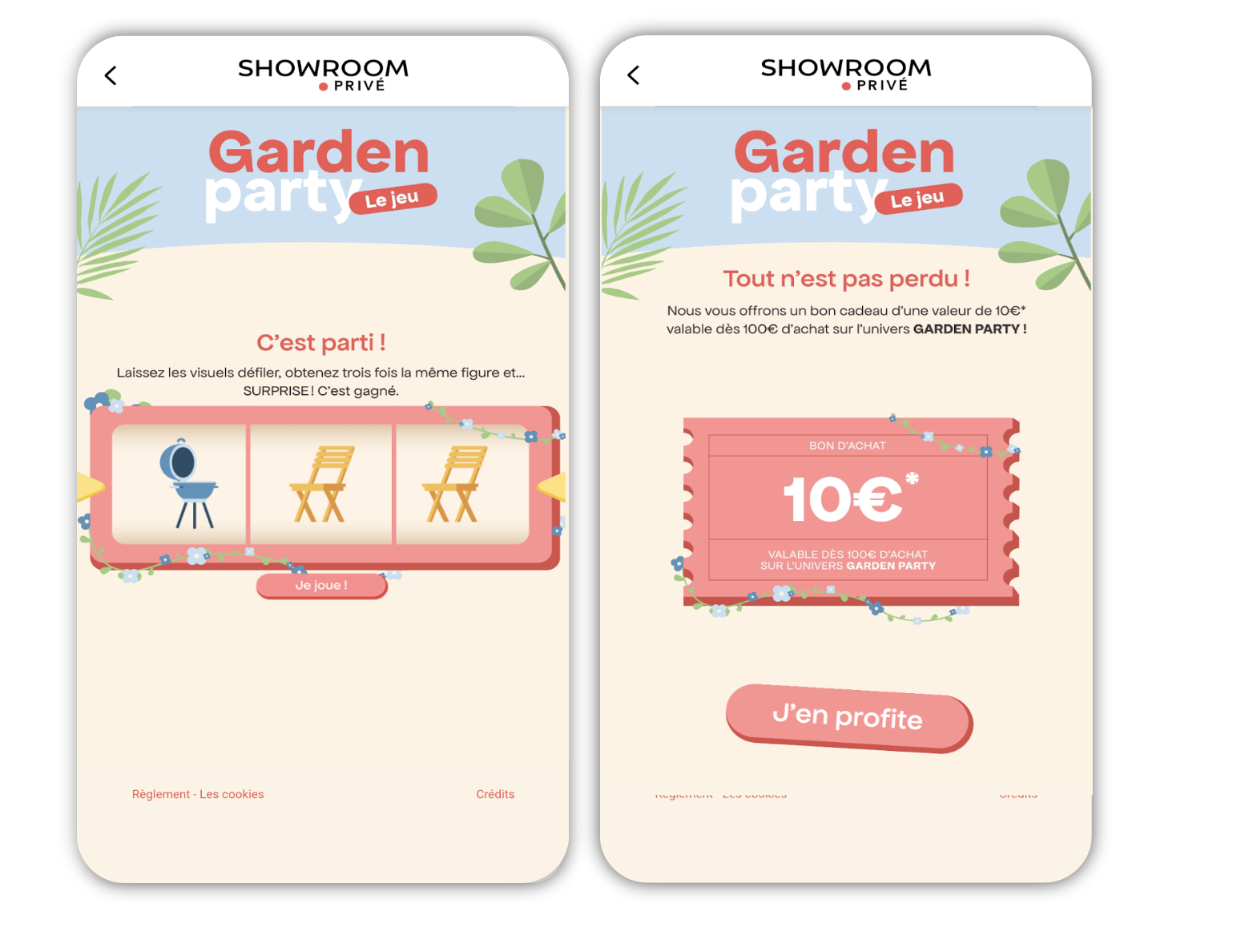
Example: Showroomprivé’s ‘Garden Party’ campaign, based on a one-armed Bandit instant win, highlighted seasonal products to celebrate the arrival of spring. This fun in-app feature gave visibility to the brand and its partner brands, and encouraged sales.

Showroomprivé - one-armed bandit garden party

2. Attract shoppers to the shop and generate more conversions

Spring is a time when consumers, motivated by the warm weather, want to take action. Spring campaigns can encourage customers to visit shops to buy gardening, DIY or outdoor decoration products.

Competitions are effective here, as they enable retailers to share incentives to buy (in the form of exclusive, time-limited discount vouchers). Gamification acts as a drive-to-store lever. By organising events directly in-store (such as DIY workshops, demonstrations, prize draws), companies attract customers to their point of sale and encourage them to make purchases.

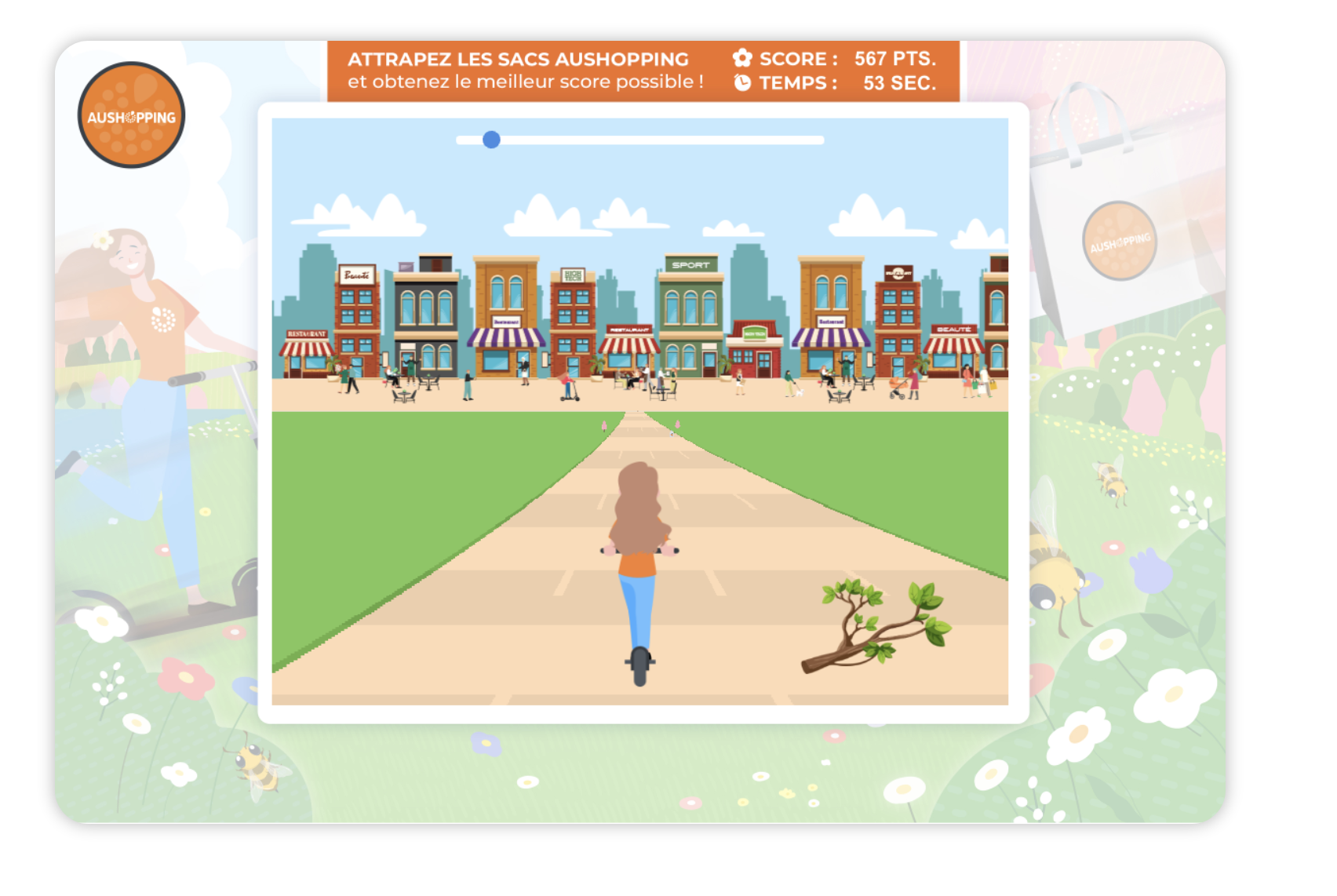
Example: Aushopping chose Outrun to raise the profile of its shopping centres. The scheme, which focused on customer engagement and recruiting new leads, encouraged web-to-store traffic at this time of year. The campaign achieved an conversion rate: all visitors to the game filled in the form and played, underlining the appeal of the operation.

Aushopping - spring competition

3. Increase your retention rate

The issue of loyalty is crucial for brands, which need to encourage their customers to return to the shop and buy from the brand. To do this, they rely on a high-quality after-sales service or offer an innovative loyalty program, giving access to attractive benefits (discounts, etc.) as well as personalised services.

The competition can be reserved for the company’s VIP customers. But it also serves as a data collection tool. By refining its customer knowledge, the brand can then share recommendations, targeted resources and advice, depending on the project.

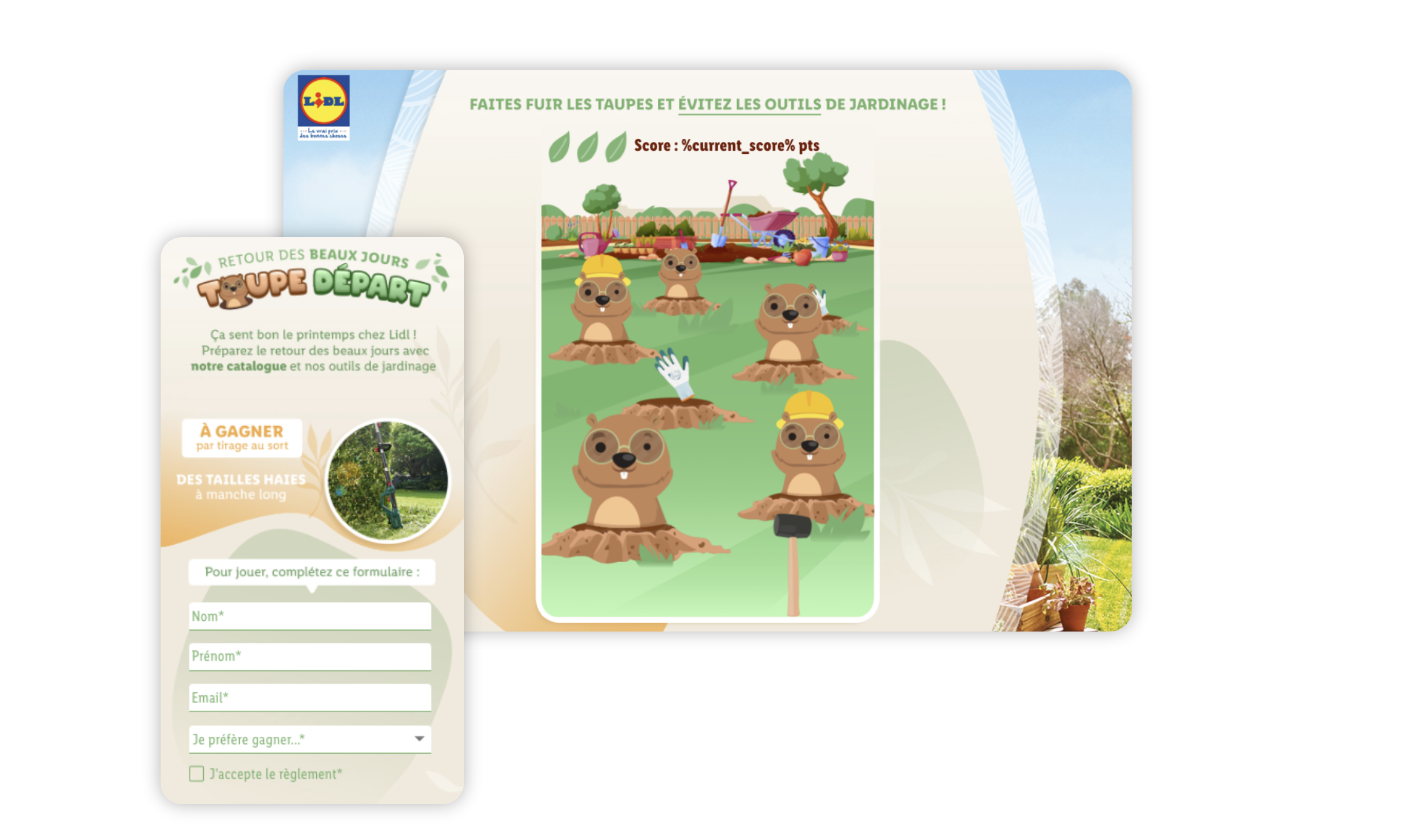
Example: The main aim of Lidl’s ‘Les rendez-vous jardin’ campaign was to increase the visibility and awareness of the chain’s garden catalogue. It aimed to generate leads and collect opt-ins so that they could be ‘fed’ via marketing campaigns throughout the year.

Lidl - tape taupe spring competition

Conclusion

Spring is a crucial time for your home improvement or DIY store. By organising a competition on this theme, you can more easily highlight your seasonal offers, attract shoppers to your shops and win their loyalty with recommendations and personalised content. Find out more about our fun ways to boost your communications during this key sales period!

In 30 minutes, we show you how to launch your own high-performance interactive marketing campaign

Gamification marketing: the complete guide to interacting with your audiences effectively

Gamification marketing: the complete guide to interacting with your audiences effectively

It has never been so difficult to capture the attention of your audience.

Today, we receive over 5,000 messages a day. Whether in real life or online, users are increasingly subject to advertising fatigue. In the digital space alone, more than 18,000 advertisers are vying for consumers’ attention. And one French person in 3 uses Adblock precisely to avoid promotional messages.

The challenges of reaching and engaging your target audience are therefore numerous. Brands need to come up with new ways of connecting with their audience and maintaining that connection in order to generate sales and build a community of loyal customers.

One of the tools that can help you stand out from the crowd is gamification marketing, also known as Playable Marketing. This strategy makes it possible to introduce game-like elements into interactions with the audience.

In this guide, we look back at the origins of the concept and its various current applications. We share with you concrete tools to make it a cornerstone of your marketing strategy and an effective lever for achieving all your strategic objectives.

What is gamification?

Gamification refers to the use of mechanisms traditionally found in the world of games. It can involve introducing rewards into the user experience, challenging the audience or even providing levels and rankings to be reached in the customer journey.

The aim of gamification is to stimulate the participation, commitment and motivation of target audiences. By making it more fun and interactive, the proposed experience becomes not only more positive, but also more impactful.

It also enables an exchange to take place between the advertiser and its target audience, enabling various objectives to be pursued (getting to know the target audience better, rewarding them, getting them to take an action such as creating an account, for example).

A brief history of the gamification concept

The concept of gamification emerged in the 1980s and 1990s. The idea of transposing game mechanics into non-game environments appeared in the first educational software and business simulations. Organisations began to integrate points and rewards systems into their training or employee management programmes. Examples include the first flight simulators used to train pilots, which adopted gamification elements (such as progression and feedback) to reinforce participants’ learning.

But the term gamification was first used in 2002. It is attributed to Nick Pelling, a British programmer, who used it to describe the introduction of playful elements into user interfaces to make them more attractive. At the time, however, the concept was largely unknown to the general public.

It didn’t really take off until the 2010s, thanks in particular to the rise of smartphones (and with them mobile applications and interactive platforms). The use of badges, points systems and rankings is becoming more widespread, particularly in fitness applications and educational websites (such as Duolingo, for example).

At the same time, the first major gamification conferences, such as the Gamification Summit, are being organised. They are attracting specialists from the marketing, training and health sectors.

Today we also talk about Playable marketing, a strategy that enables multiple strategic objectives to be met via a range of interactive advertising formats.

But what are the uses of gamification in marketing today?

The different uses of gamification today

Gamification has established itself as a lever in many fields. By exploiting the mechanisms of games, it makes it possible to stimulate commitment, motivation and retention of information that would otherwise be perceived as boring.

Thanks to games, everyday and even trivial experiences become much more fun and therefore memorable for the user. Games can be used in a wide range of fields, and that’s what we’re going to look at next.

Gamification in marketing

It can be used at every stage of the customer journey. In particular, it can be used to attract and retain customers by offering them an immersive and entertaining experience.

Gamification is used, for example, to boost its loyalty program, as with Starbucks Rewards. The brand offers points and rewards for every purchase made. It is also possible to organise promotional games (online competitions, instant wins) to generate commitment and encourage purchases. In-store, gamification can be deployed via interactive terminals or mobile devices at checkouts to collect customer data in a fun way or reward visitors with vouchers.

Gamification in education

Gamification also transforms the learning experience. This is known as edutainment. By making it more interactive and therefore engaging, it helps to increase learner motivation.

The platform Duolingo utilise par exemple des systèmes de points, de niveaux et de séries pour enourager la régularité de ses utilisateurs. La gamification est aussi à l’origine de formats comme les serious games, qui reposent sur les simulations interactives pour favoriser la compréhension de concepts complexes.

Gamification for human resources

Companies use gamification to better assess candidates’ skills and optimise their recruitment process. C’est aussi un levier efficace pour favoriser l’évolution des talents au sein de l’entreprise et donc mieux engager et fidéliser ses employés.

Platforms such as Pymetrics for example, offer mini-games to assess candidates’ cognitive and behavioural skills. Organisations are also using gamified tools to incorporate challenges into their training courses or to boost their recognition programmes (as in the case of Salesforce Trailhead).

Gamification is also an ideal tool for strengthening team cohesion.

Gamification in healthcare

Game mechanisms can enable healthcare professionals to encourage healthier behaviour or help patients adopt new habits.

Fitness applications such as Strava, for example, use rankings and challenges between friends to boost the achievement of sporting objectives. But hospital departments (particularly in rehabilitation) are also using serious games to help patients recover their motor skills without becoming discouraged.

Gamification in the banking sector

In the banking and insurance sector, gamification simplifies the learning of complex concepts and encourages the adoption of good financial behaviour. It is used in particular in savings applications (to motivate users to put money aside).

Gamification is also very useful for presenting and explaining banking offers to prospective customers, or for highlighting commitments.

Gamification for brands: a versatile tool

It has established itself as a powerful cross-functional lever in many sectors. By enabling organisations to better engage and motivate their audiences, it makes every interaction captivating and memorable. What’s more, with the evolution of communication channels and technologies (such as AI and augmented reality), its field of application is constantly expanding.

In marketing and communications, gamification enables companies to move their prospects and customers along the customer journey. At every stage of the customer experience, gamified marketing offers concrete solutions that make brand communications more impactful.

Let’s find out how gamification can help brands achieve their marketing objectives.

1. Get to know your audience better through gamification

With the announced end of third-party cookies, brands need to find new ways of collecting customer data. Data is essential if they are to better understand who they are talking to and identify the needs and expectations of their audience.

In this context, games can multiply the number of interactions, and therefore the opportunities for collecting user data (behavioural data such as product preferences, for example). Retailers can also capture email addresses or opt-in data by introducing a contact form at the beginning or end of their interactive experiences.

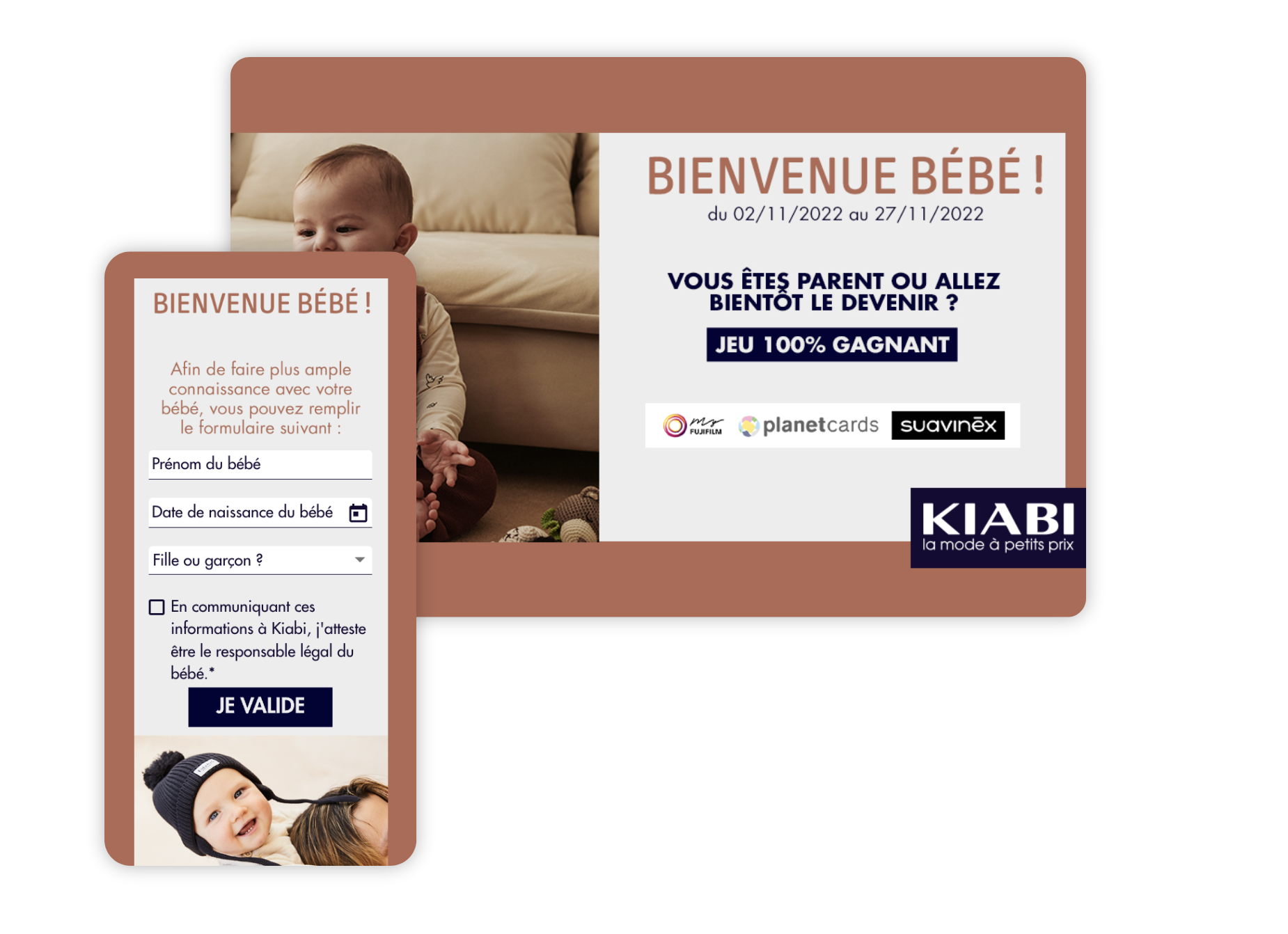
Kiabi, for example, launched a campaign combining an engaging mechanic (an instant win) and a media campaign to recruit qualified leads. Using an enriched form, the brand was able to collect key data, which it then used to segment and personalise its communications. The brand was then able to personalise its emails to strengthen its relationship with its audience.

Kiabi - Flip&Win - gamification guide

2. Engaging prospects and customers through interactive experiences

Gamification is an essential tool for capturing the attention of potential customers and encouraging them to interact with a brand. En intégrant des mécanismes inspirés des jeux dans leur campagne marketing ainsi que dans le parcours d’achat, les marques peuvent augmenter la récurrence mais aussi la durée des interactions avec leur audience.

Gamification makes interactions between the brand and its customers positive, and therefore memorable. Games naturally capture attention and motivate users to participate, thanks to rewards or challenges. Games also provide an immersive brand experience. Shoppers feel more involved and entertained, which creates a positive emotional relationship with the brand.

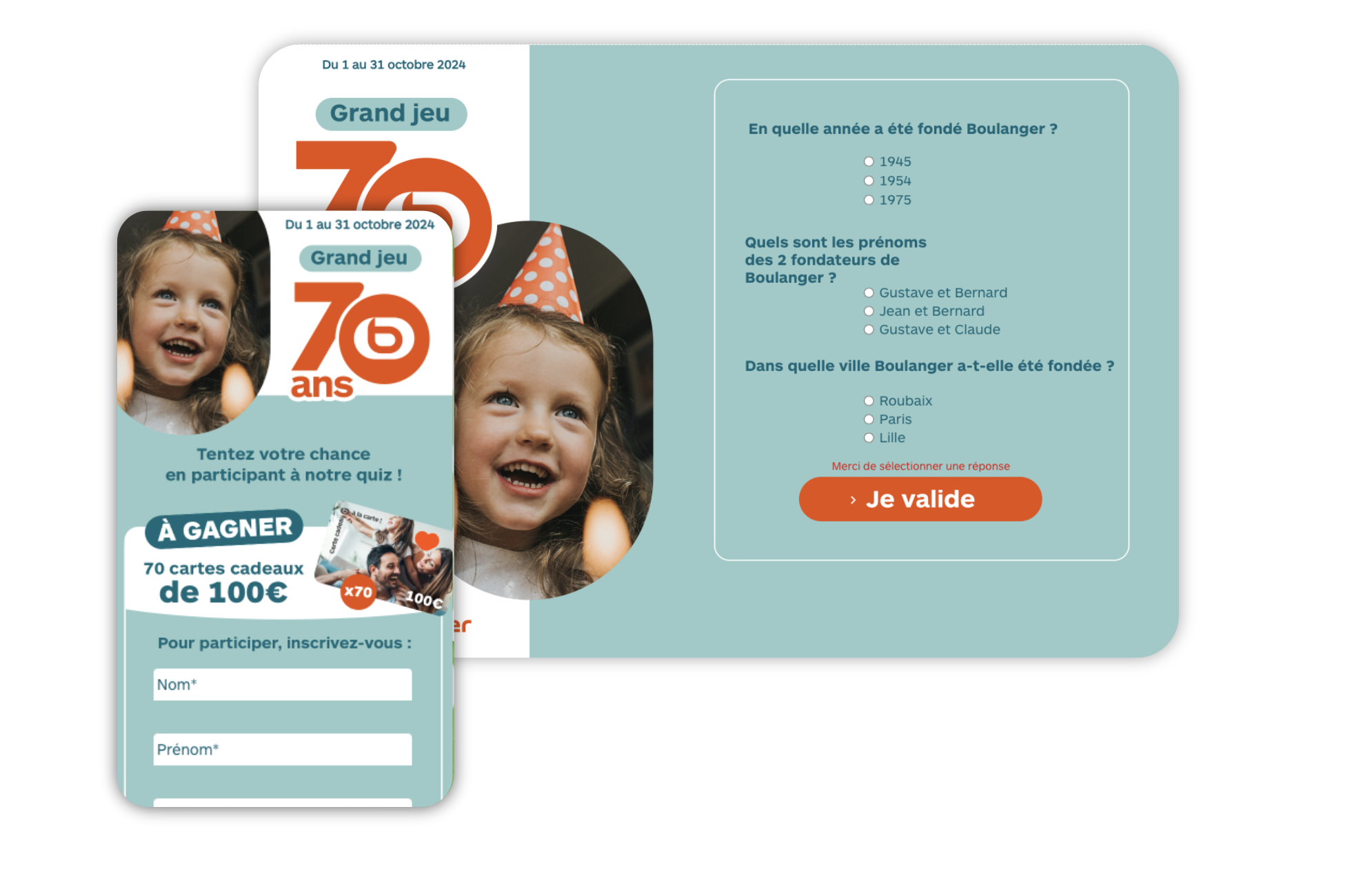
For its 70th anniversary, Boulanger launched an interactive quiz highlighting the brand’s world and history. The operation was a great success, attracting a large number of participants. With a 95% success rate in the Quiz, this initiative was able to mobilise a large audience, reflecting users’ interest in the brand and its offers, with over 18k clicks on the offers at the end of the game.

Bonlanger - 70 years quiz - gamification guide

3. Boost your conversion strategy to generate more sales

Gamification is also a powerful lever to help brands generate more sales. First and foremost, it’s an excellent way of gaining visibility and attracting buyers’ attention with an entertaining experience (like a Winning Instant or an Advent Calendar, for example).

Playable marketing or the gamification of the customer journey fits perfectly into a Drive-to-Store strategy or Drive-to-Web. For example, visitors to a website can take part in an online game and win a voucher to spend in shop.

Conversely, in-store customers can access a game via a QR code, for example, after their purchase and be redirected to the brand’s online shop or app for more information. In both cases, players are encouraged to discover their gift or take advantage of a discount coupon, generating more traffic to the brand’s various contact points.

Finally, gamification can be used to better retarget qualified leads (with product suggestions generated on the basis of data collected during the game).

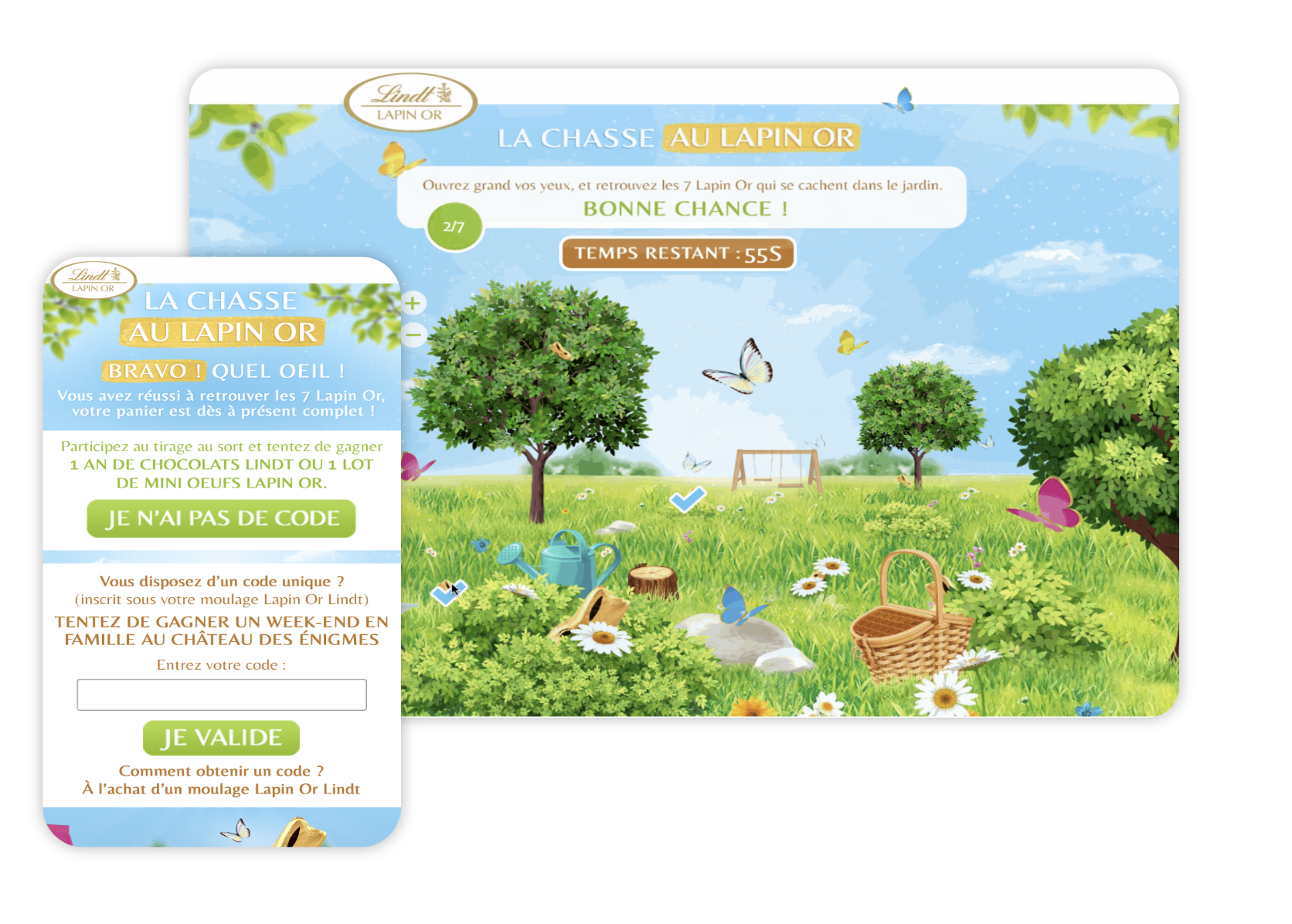
To boost your conversion strategy, Lindt has bet on playable marketing. The brand exceeded its lead generation target with 19k new opt-ins thanks to a virtual Easter egg hunt. The campaign engaged a targeted audience, with each participant spending an average of 1 min 40 on the game. A gate code (uploading proof of purchase before being able to play) linked to the purchase of Lindt bunnies offered a chance to win a family weekend, boosting sales during this crucial commercial period for the brand.

Lindt - treasure hunt - gamification guide

4. Building customer loyalty through original reward schemes

Building customer loyalty is a crucial dynamic for brands. It has a direct impact on their profitability and growth. Acquiring new customers costs between 5 and 25 times more expensive than retaining existing customers. A 5% increase in customer loyalty can generate an increase in profits of between 25% and 95%.

By increasing the number of interactions between the brand and consumers, gamification helps to consolidate the customer relationship. Elle offre aussi aux enseignes des original ways of rewarding buyers and encourage them to continue ordering from them. Gamified loyalty programmes stimulate customers to climb the ladder to pass levels and unlock new rewards.

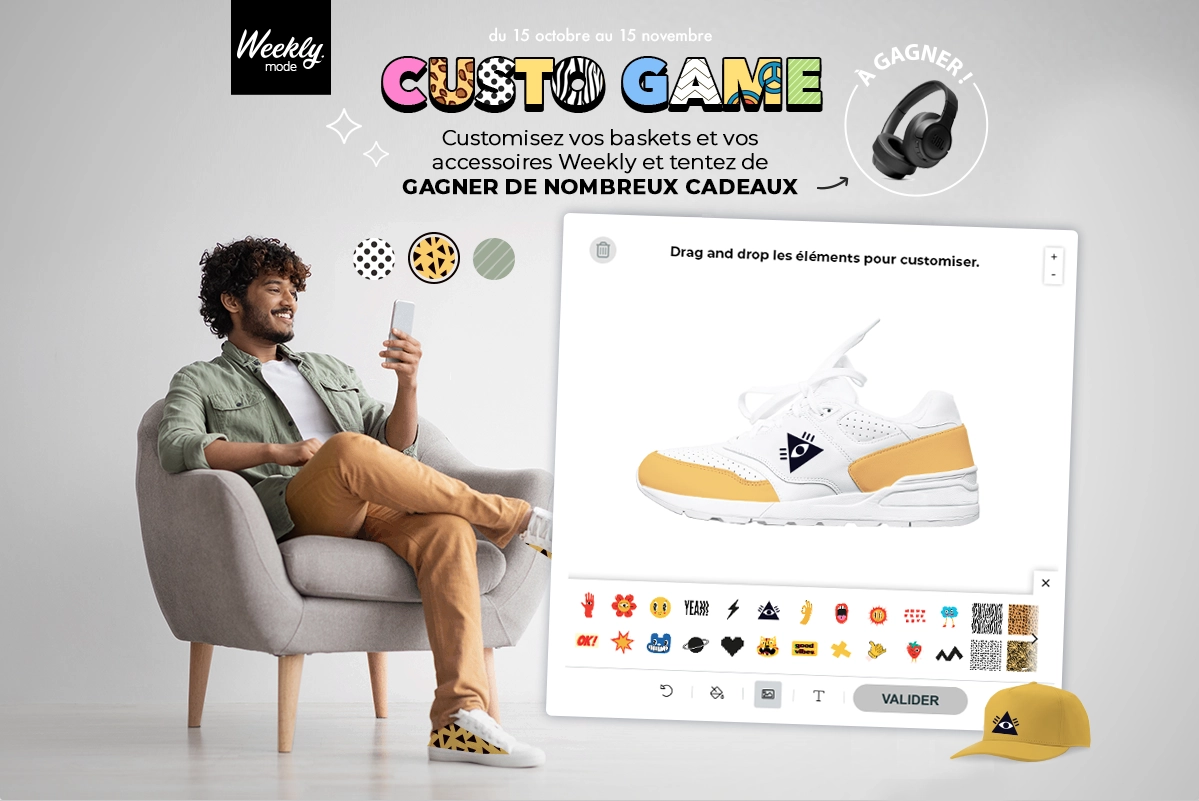
But other game formats such as Surveys and Customizers can also boost customer retention by giving them a voice and promoting their creativity. In this way, the brand collects feedback on its products (via a survey), continuously improving the experience offered. It can also offer opportunities for collaboration/co-creation (via the Customizer, for example), proposing items that are more likely to appeal to its audience.

voting mechanism

How do you gamify marketing?

Gamification therefore has the potential to transform the way companies communicate and engage their customers . To boost their marketing strategy, all they have to do is introduce playful mechanics into the strategic aspects of their brand experience. Here are the key steps for getting started with Playable Marketing.

1. Defining your objectives

First and foremost, it is crucial to clearly define your objectives. A brand that embarks on a gamification strategy will have much more impact if it targets a specific strategic outcome. The aim is to use this new lever to reduce the friction experienced by its customers or to reinforce the stage of its sales funnel that is performing least well.

In this way, brands can :

  • Target engagement: increase the time spent on your application or website;
  • Generate leads: capture customer information via a form that precedes or follows the game mechanic and collect optins (by integrating a push optin into the game path);
  • Educating customers: making products and services more understandable through interactive and educational mechanisms;
  • Improve loyalty: gamify your loyalty programme, etc.

2. Identify your target audience

The Playable marketing strategy must also be adapted to the audience the brand wants to reach. Si le marketing jouable offre à l’entreprise des outils de collecte de données, il est important, en amont, d’étudier sa cible pour comprendre :

  • Online behaviour;
  • Their preferences (particularly in terms of communication channels, types of interaction, etc.);
  • Their expectations/bain point (to offer attractive prizes, which will naturally boost the participation rate).

3. Choosing the right game mechanics and rewards

Depending on its strategic objectives and target audience, the brand can then turn to the most appropriate gamification mechanism. For example, instant-win formats (which immediately tell players whether or not they have won) are particularly useful for raising brand awareness and generating sales through the distribution of promotional codes.

The choice of endowments is also crucial. Users must feel there is real value in taking part, whether through material or symbolic rewards, as well as exclusive benefits (behind-the-scenes access to the brand, never-before-seen content or premium services).

endowment gamification guide

4. Get the right equipment and surround yourself with the right people

Gamification requires the use of a specialised platform such as Adictiz for example, which gives them access to a wide catalogue of playable formats. You then need to be able to choose the right mechanics, customise the gameplay and the graphic universe of the campaigns so that it is aligned with your objectives and consistent with the brand’s universe.

A platform like Adictiz is often more than just a platform. There are usually additional services to manage the campaigns (data segmentation solution, modules for sending automatic emails to participants, CRM connectors, custom developments, etc.). .

The design studio Adictiz provides brands with a step-by-step guide to creating their campaign. Not forgetting the Media Agency, which boosts performance through a tailor-made media strategy and real expertise in digital marketing (social ads, emailing, etc.)

5. Test and measure results

To guarantee the effectiveness of a gamified marketing strategy, it is important to adopt a continuous improvement approach. It is therefore important to :

  • Launch an initial pilot campaign to test what works before extending it;
  • Track strategic KPIs: participation rate, time spent, leads generated, conversion, etc.
  • Adapt and optimise future playable marketing campaigns by adjusting the mechanics used, the player journey or the rewards offered according to the feedback.

Conclusion

Gamification is a powerful lever for transforming your future marketing campaigns into interactive, high-performance marketing campaigns. By maximising interaction with your audience and rewarding your users, you can increase their satisfaction and loyalty and, ultimately, your marketing performance. Adictiz can help you design high-impact campaigns that are tailored to your objectives and your target audience! Discover our interactive mechanisms and services tailored to your needs!

In 30 minutes, we show you how to launch your own high-performance interactive marketing campaign