

While gamification has become a permanent fixture in digital strategies, the real impact of its various mechanics is often estimated empirically. To provide marketing professionals with factual and quantified insights, this observatory offers an analysis of 3 516 activation campaigns and nearly 60 million sessions compiled between 2022 and 2024.
Our primary objective with this study is to identify the influence of seasonality, sector typologies and the nature of game mechanics on user engagement.
Table Of Content
1. Demographics and accessibility : participant profile
The global analysis of sessions highlights a strong predominance of female profiles among participants in gamified operations. Female users represent an average of 77.4 % of the studied sample. The core target is mainly concentrated around the 18-39 age group, characterized by a primarily opportunistic and occasional participation pattern.
On a technical level, the smartphone stands out as the hegemonic access terminal. However, observation by industry vertical nuances this hegemony :
- Fashion and beauty sectors: the mobile usage rate reaches 100 %.
- Banking and insurance sectors: these verticals show a notable resistance of the desktop computer, which remains the majority medium for these specific user journeys.
2. Typology of mechanics: “Instant Win” vs “Score-based Game”
Our data allows the classification of activations into two major algorithmic families, each meeting distinct engagement objectives:
A. Instant Wins (Immediate reward logic)
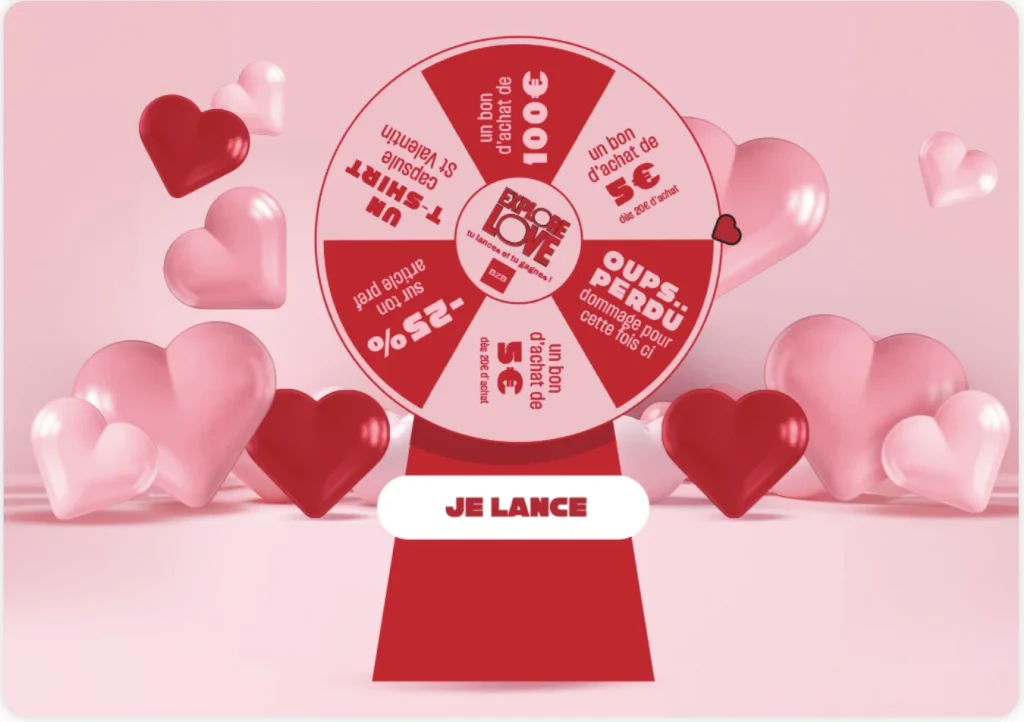
Based on pure chance, instant wins allow users to know the result of their participation immediately. Such a mechanic features a very low psychological barrier to entry, fostering mass engagement volume. Peak usage occurs during the Advent period (Christmas) when audiences look for quick gratification.
B. Score-based Games (Performance and loyalty logic)
Score-based games condition the outcome on the player’s skill, speed or sagacity. Interactive concepts require a higher cognitive investment while generating deeper engagement and stimulating the replay mechanism. Gamers participate again to improve their ranking. Outside the end-of-year period, performance formats stand out as the most effective lever for maximizing time spent per session.
3. Seasonality and calendar highlights
Campaign distribution throughout the year highlights a highly pronounced seasonality based on the business challenges of brands:
- Back-to-school period (September): a high-activity period for the retail and B2B sectors. Mobile usage systematically crosses the 60 % threshold.
- Halloween (October): this temporary highlight is characterized by a particularly young audience and an almost exclusive use of smartphones.
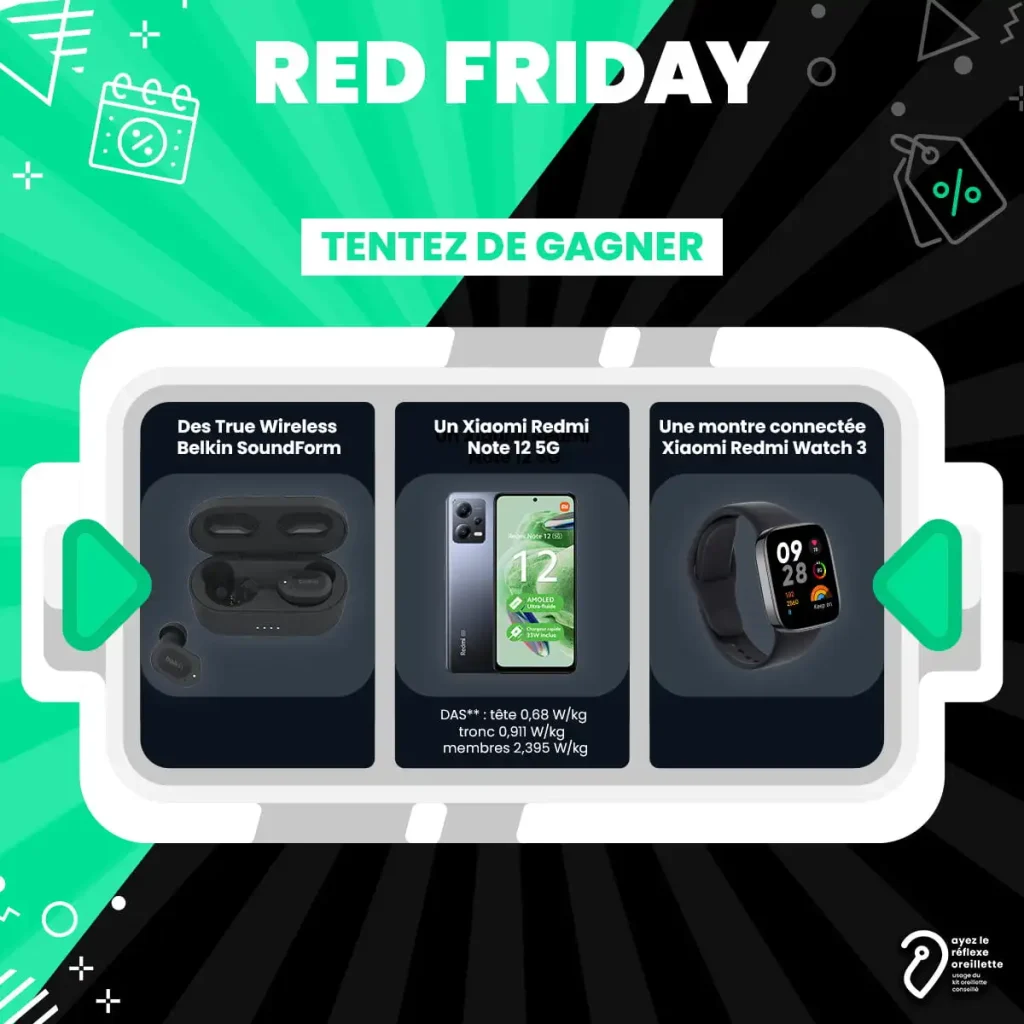
- Advent period (November – December): this is the annual peak for activation. Retail, E-commerce and fast-moving consumer goods (FMCG) concentrate their budgets here, attracting a more family-oriented audience through formats mostly focused on instant wins.
Conclusion
This macroscopic analysis demonstrates that the effectiveness of a gamification strategy does not depend on the intrinsic complexity of the game, but on the alignment between the chosen mechanic (chance or skill), cultural seasonality and the preferential distribution channel of the targeted industry sector.
Adictiz, the platform to reach
your marketing goals