
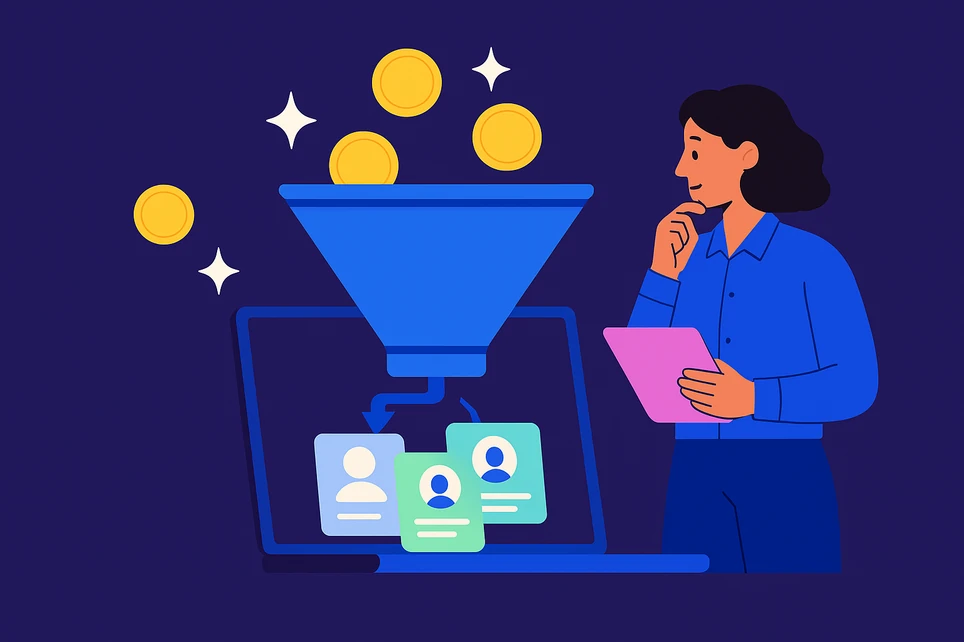
Traditional forms are losing steam. Every day, your prospects face dozens of pop ups, newsletters, and ads. As a result, they fill out fewer and fewer fields, and your conversion rates steadily decline.
Faced with this fatigue, another approach is gaining ground rapidly: interactive lead generation. Rather than demanding information, it offers an experience. A quiz, an instant win game, or a personality test captures attention, then turns that attention into qualified contacts. That is what gamification delivers, and that is what we will explore in detail.
In this guide, you will discover why gamification outperforms static forms, which mechanics to choose to generate leads through gamification, and how to maximize conversion all the way to your CRM.
Why gamification outperforms traditional forms for lead generation
The decline of static forms
A form alone tells no story. It demands effort without offering anything in return. Moreover, it often arrives too early in the user journey, before the visitor has any reason to commit. The result: high drop off rates and fields filled out hastily, or with completely inaccurate details.
The data confirms this trend. According to a Demand Metric study conducted with the Content Marketing Institute, interactive content generates twice as many conversions as static content. In other words, interactivity is not a gimmick: it is a genuine performance multiplier.
Conversion rates boosted by engagement
The game reverses form logic. First, it captures attention with a playful promise. Next, it creates progressive engagement: a few seconds of play, a score, genuine curiosity about the outcome. Finally, it presents the form at peak motivation, right when the user wants to uncover their profile or claim their reward.
This sequence changes everything. The participant no longer endures an obligation, they accept an exchange. That is why lead generation contests achieve completion rates far higher than standalone forms.
First-party and zero-party data: declared data, not guessed
eyond pure volume, gamification elevates the quality of data collected. The participant directly shares preferences, specific needs, or purchase intent as they answer questions. This represents zero-party data: declared, consented, and exceptionally reliable.
Combined with first-party data from registration, this input feeds straight into your CRM segments. You no longer have to guess what your prospect wants: they told you directly.
Qualify in real time through scenario based design
A final advantage, often underestimated: qualification happens during gameplay. For instance, a branching quiz tailors its questions based on previous answers.
A personality test assigns a specific profile. In this way, every lead enters your database already segmented, ready to receive the right message at the right moment.
The best game mechanics to capture qualified leads
Not all mechanics are created equal when it comes to lead capture. Here are the three categories that deliver the best results, along with their ideal use cases, followed by two real world examples with data.
The qualifying quiz and personality test
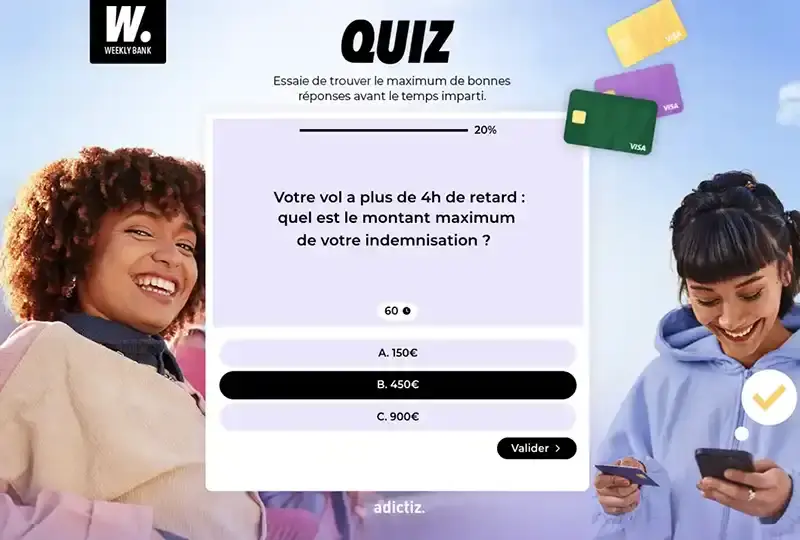
This is the ultimate mechanic for segmentation. Five to eight questions are all it takes to uncover a need, a maturity level, or a product preference. For example, a beauty brand can identify a skin type, and a bank can reveal a life project. The form then appears to send the detailed results. As a result, the lead is qualified even before entering the CRM.
Instant win: wheel of fortune and scratch card
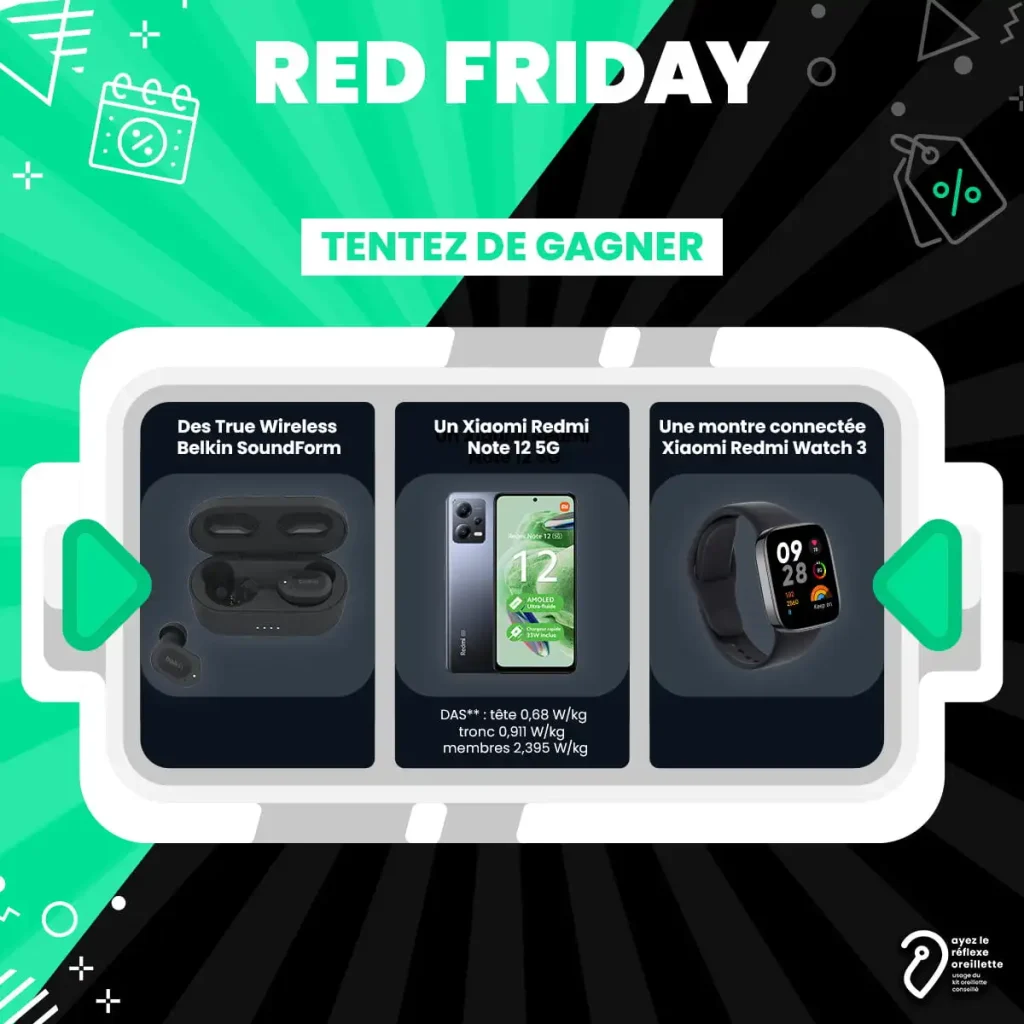
Here, the reward is immediate. The participant spins the wheel or scratches the card, then discovers their prize. This instant gratification explains the exceptionally high conversion rates of this mechanic. Furthermore, it adapts to every context: ecommerce site, point of sale, event, social media. A well chosen prize pool then turns traffic into an opt in database.

The gift finder: between gamification and e-commerce recommendation
The gift finder guides the visitor toward the ideal product through a few engaging questions. It therefore combines data collection with commercial recommendation. In other words, it generates a qualified lead and purchase intent at the same time. This mechanic is especially effective ahead of key commercial peaks: Christmas, Valentine’s Day, Mother’s Day.
What this looks like in practice: Kiabi and SNCF
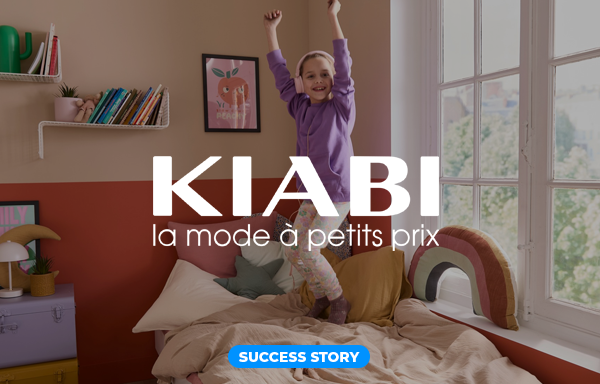
The results are measurable. Every year, Kiabi partners with Adictiz to launch a photo contest across five countries.
2025 results: over one million registered users and 645,000 new actionable opt ins.
Discover how Kiabi builds its lead generation strategy around gamification.
SNCF, in partnership with ZooParc de Beauval, launched an interactive memory game requiring registration for the Club Place de la Gare.
The result: 68% of new Club members originated from the game.
Watch the webinar replay to find out more.

In both cases, the mechanic converted passing visitors into qualified CRM profiles.
Best practices and ROI: from game mechanics to CRM
good mechanic is not enough. The form, consent, and integration make the difference between a nice campaign and a profitable lead gen strategy.
Positioning the form at the right moment
Before or after the game? Both options have their logic. Placing the form upfront secures data collection, but it can slow down participation. Placing it at the end maximizes engagement, as the desire to claim a prize or see a result drives conversion. In practice, the second option often wins for acquisition. However, run tests: the right choice depends on your audience and prize pool.
Fewer fields, more leads: progressive profiling
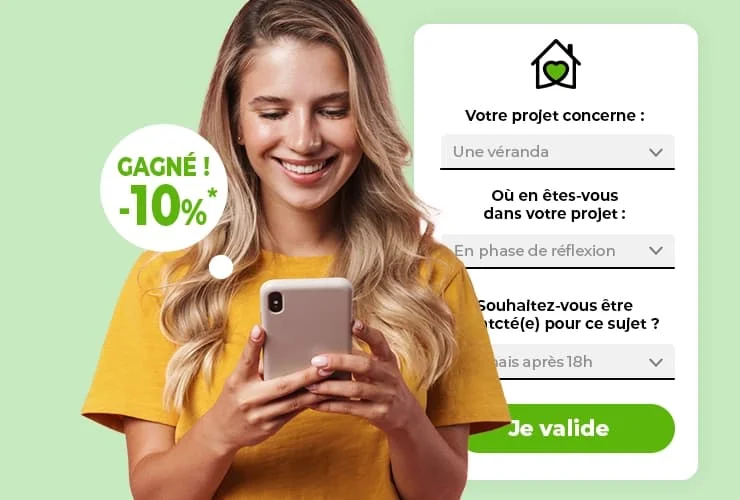
Each additional field causes completion rates to drop. Keep it to the essentials during the first interaction: email, first name, and consent. Then, enrich the profile gradually across subsequent campaigns. This is the premise behind interactive forms and progressive profiling: ask for little, ask often, and ask at the right time.
Consent and GDPR compliance without friction
Performance never comes at the expense of compliance. Consent must be explicit, distinct for each purpose, and easy to withdraw. In addition, transparency builds trust, which in turn boosts conversion. A participant who understands why you collect their data shares it far more willingly.
Measuring your campaign ROI
Track four key metrics: form completion rate, opt in rate, cost per lead, and most importantly, the CRM activation rate. The latter reveals the true quality of your leads. Then, compare it with that of your traditional forms: this is often where gamification widens the gap.
Integrating leads into your CRM with Adictiz
This is the stage that turns a campaign into ROI. With the Adictiz marketing gamification platform, every collected lead can flow directly into your CRM or CDP through native integrations. Upstream, data quality features filter out bots, detect cheaters, and score contacts, ensuring only actionable data reaches your tools.
Finally, you choose your production method. Adictiz Box lets you build campaigns with no code in just a few hours, leveraging AI for creative assets. For more ambitious setups, the Studio designs bespoke experiences. Explore the full Adictiz solution to start building your next lead generation campaign.
Generating leads through gamification means replacing friction with value exchange: an engaging experience in return for declared, qualified, and compliant data. Quizzes, instant wins, and gift finders fuel your CRM with actionable profiles. Discover our lead collection mechanics and request an Adictiz demo to launch your first campaign.