
Publishing is no longer enough. On Instagram, TikTok, Facebook, or LinkedIn, organic reach erodes year after year, and quality content can easily go unnoticed. For social media managers, the frustration is real: more effort, fewer results.
Yet algorithms haven’t changed their logic. They reward what drives interaction: comments, shares, saves, dwell time. And nothing sparks a reaction quite like a game. That is precisely where social media contests become relevant again.
In this article, we review the top performing mechanics, how to turn social engagement into CRM opt ins, and the levers to maximize your campaign virality.
Why organic reach is collapsing, and what algorithms reward
The continuous decline in reach
The numbers are clear. According to Social Insider 2025 benchmarks, the average engagement rate on Instagram has fallen to 0.45%, down 30% year on year, while TikTok sits around 2.5%. In other words, the vast majority of followers no longer see a brand posts. Visibility is now earned interaction by interaction.
Interactive formats, the algorithms favorites
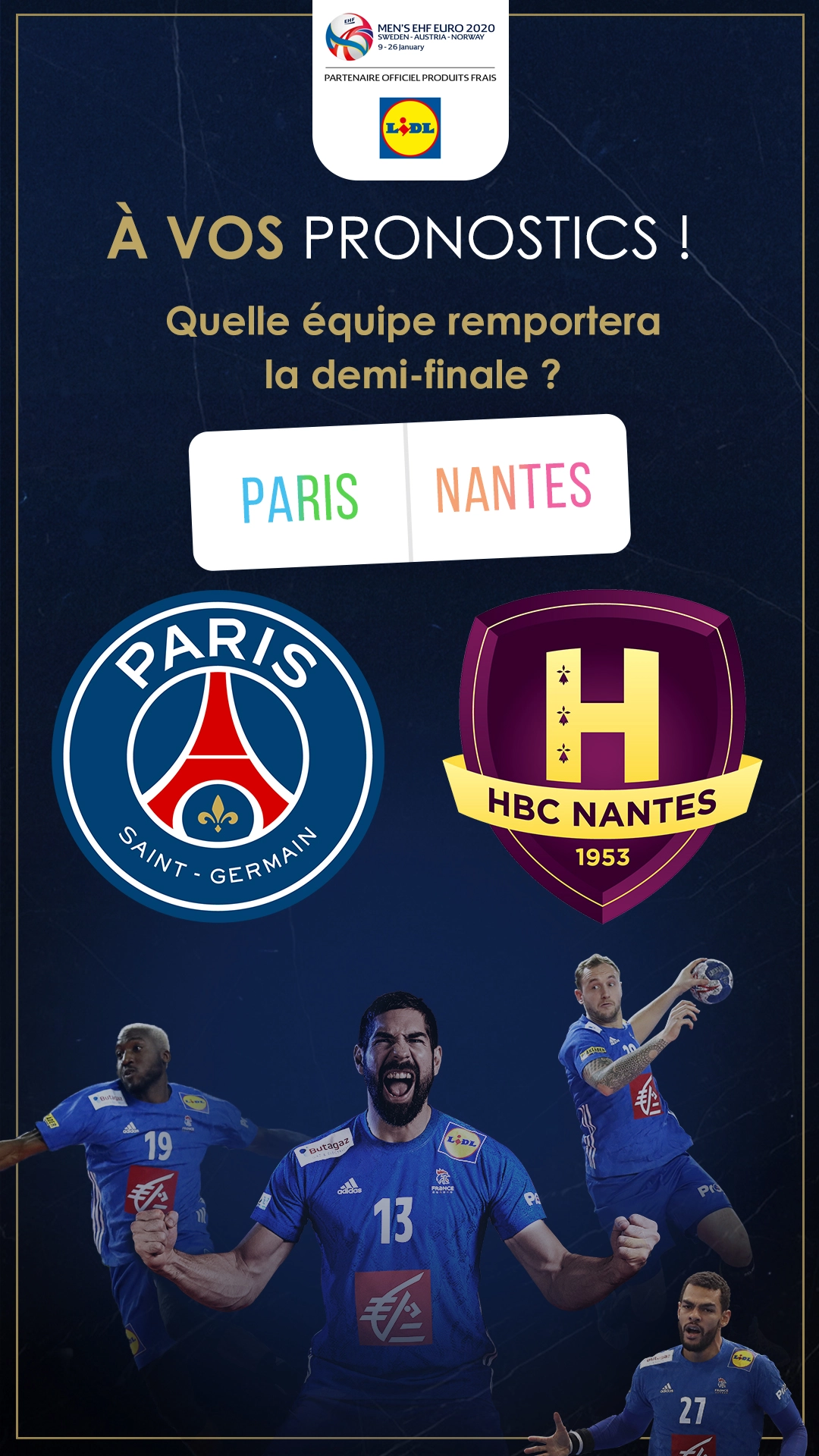
Platforms track clear signals: comments, shares, saves, clicks, and watch time. An interactive format naturally triggers these actions. For instance, a quiz prompts users to reply in the comments, a photo contest generates posts, and a prediction game in stories stops the scroll. Gamifying engagement on social media does not cheat the algorithm: it gives it exactly what it wants.
What changes across each platform
Each network has its own codes. On Instagram, stories and reels favor quick, visual games with a direct link to the experience. On TikTok, challenges and user generated content lead the way: a video contest naturally fits right in. On Facebook, communities and groups drive voting and referral mechanics. Finally, on LinkedIn, an expertise quiz or a prediction game engages a B2B audience without feeling out of place. Therefore, adapt your mechanics and tone before adapting the format.
The most effective game mechanics on social media
Not all mechanics perform equally in a social feed. Three categories stand out for their ability to generate strong interactions.
To compare them, track four metrics. The engagement rate on posts linked to the game. The number of shares and mentions, which measures real virality. Outbound traffic to the game experience. Finally, the number of opt-ins collected, the only metric that turns social engagement into CRM value. A game that sparks a lot of reactions but drives no clicks needs to be reworked.
UGC photo and video contests: turning your followers into brand ambassadors
User generated content contests are the most viral format. Participants share a photo or video, mobilize friends and family to vote, and the brand collects authentic content. Kiabi is a great example: its photo contest, rolled out across five countries, gathered over one million entries in 2025. To understand how this driver works, read our article on UGC, user generated content.

Instant win and swiper games: ultra-fast formats built for stories and reels
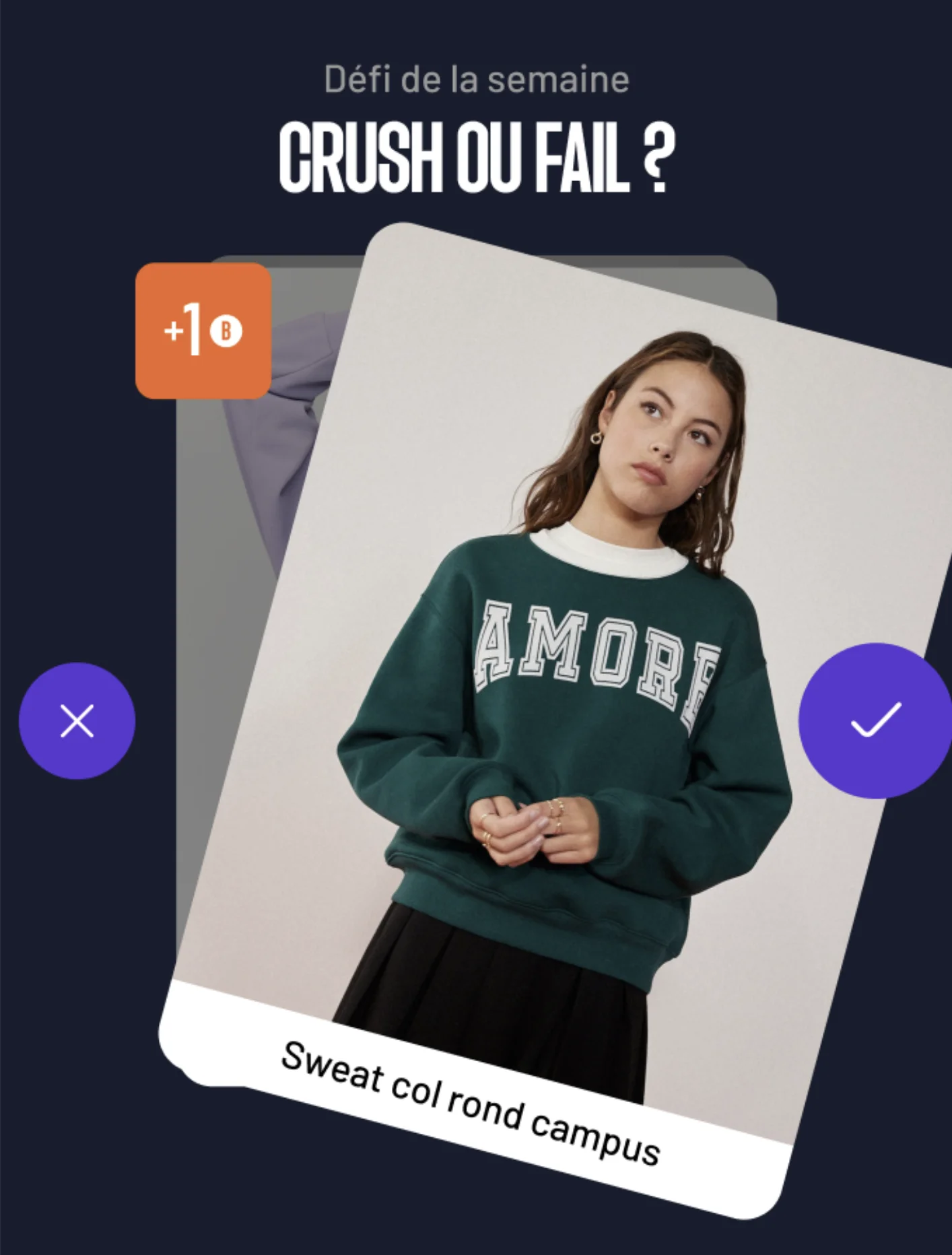
On mobile, content consumption moves fast. An instant win or swiper game takes just seconds to play with a thumb gesture and delivers results immediately. These formats integrate seamlessly into stories and reels while driving shares. In addition, the swiper captures audience preferences along the way: feedback on each product with a single motion.
Quizzes and interactive polls: sparking conversation
A quiz captures attention instantly and sparks conversation. Blind tests, rebuses, brand trivia: every correct answer is a chance to comment and compare scores. In addition, polls drive debate, and debate fuels the algorithm. It is the ideal format to engage your community every day, between major marketing moments.
Pacing the year with a gaming calendar
Consistency matters as much as the mechanic. An editorial gaming calendar alternates between major commercial highlights, such as sales or Christmas, and lighter recurring touchpoints: Friday quizzes or polls of the month. Then, each campaign unfolds in three acts: teasing that builds anticipation, the game itself, and the winner reveal, which drives engagement one last time. This way, your community knows when to come back, and so does the algorithm.
Turning community into CRM opt-ins and maximizing virality
Moving beyond basic likes and comments
A like is not a customer. Followers belong to the platform, not to the brand. That is why an interactive social media strategy needs to direct traffic toward a hosted gaming experience on a dedicated brand page. There, participants sign up, give consent under GDPR compliant terms, and become actionable first-party contacts.
In concrete terms, the post or story announces the game, the link leads to the experience, and the form captures the opt-in. The social community is thus transformed into a qualified CRM database, independent of algorithms.
Referral mechanics: doubling your chances by inviting friends
Virality is engineered. A referral mechanism built into the game invites participants to bring in friends to boost their chances of winning. Each invitation brings in a new contact, often very close to the original target audience. In this way, contest virality turns into a measurable acquisition driver rather than just a hope for word of mouth.
Targeted sponsorship to amplify your campaign
Finally, a modest social ads budget multiplies your reach. By targeting lookalike audiences based on your best participants, you scale the game toward high affinity profiles. Playable content performs exceptionally well in advertising, as it drives time spent and interactions right from the first second.
To align these campaigns within a consistent approach, check out our guide on building a social media strategy.
With Adictiz, you can create these mechanics via no code, or fully custom made with our Studio, and connect collected opt-ins directly to your CRM.
Rules to follow on social media
A contest on Instagram or any other platform follows clear rules. First, clear official rules: dates, entry terms, prizes, and winner selection methods. Next, a statement clarifying that the promotion is neither organized nor sponsored by the platform, which most networks require.
In addition, data collection must remain compliant with the GDPR, with explicit consent for any future use. For a UGC photo contest, plan for content moderation and an image rights transfer clause in the official rules. Finally, respect the terms of service of each network, which change regularly. These precautions protect the brand and reassure participants.
Gamification brings back to social media what algorithms took away: authentic interactions, an engaged community, and, most importantly, contacts you truly own. Explore our social media mechanics and launch your first campaign with Adictiz.