How to collect opt-in and what to do when it expires?

How to collect opt-in and what to do when it expires?

Consent has become a central element in the interaction between consumers and brands. In fact, more and more users are concerned about the privacy of their personal data. respect for their privacy. Mais aussi à s’agacer de recevoir des messages (emails, SMS) d’entreprises à qui ils n’ont pas donné l’autorisation de les contacter.

To protect individuals, but also to ensure that brands communicate with potential customers who are interested in what they have to offer, there is a simple tool: opt-in. Definition: this technique involves obtaining the prior consent of a person before using their data (such as their email address) to send them commercial messages.

Although it is more restrictive for companies, the opt-in principle makes it possible to guarantee the quality of your emailing base. Here are some tips on how to collect opt-ins effectively. We also explain how to renew your expired opt-ins, in particular through gamification and marketing competitions.

What is opt-in: definition

A company wishing to collect data from prospects or customers for use in its marketing campaigns or sales processes must first ask for their consent.

They can choose between several forms of authorisation (or opt-in):

  • Passive opt-in. LVisitors agrees to share his information but does not actively do so. They are automatically added to the company’s database, after making a purchase for example. Be careful, because this opt-in does not comply with the RGPD.
  • Active opt-in (officially recommended by the CNIL). In this case, the person explicitly ticks a box indicating that they wish to subscribe to a mailing list (such as a newsletter). As with passive opt-in, this box is not ticked automatically. The request therefore comes expressly from the prospect.

Opt-in is the opposite of opt-out. It is a process by which the company acquires the contact information of potential customers by purchasing an email database. The recipients have therefore not given their consent.

The opt-in process can go even further: this is known as double opt-in. In this specific case, a confirmation request is sent by email to the prospect before they are definitively added to a mailing list. For the company, this is a way of asserting its respect for the user’s consent. It also ensures that the email address provided is the correct one.

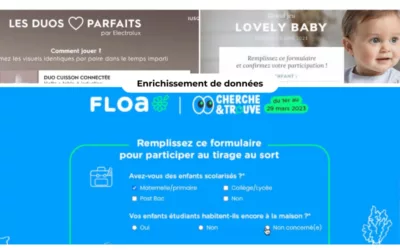
Double opt-in also allows you to get to know your incoming lead better. La marque peut en profiter pour lui proposer de sélectionner ses centres d’intérêt parmi une liste ou via une animation interactive (comme a swiperfor example). It can then send them more targeted content.

What does the RGPD say about opt-in?

The aim of the RGPD is to protect the personal data of EU citizens, the regulation logically addresses the case of opt-in.. Il insiste notamment sur the importance of transparency in the way companies collect information from consumers. This is particularly true of their personal data, which obviously includes email addresses and telephone numbers (for SMS marketing).

Therefore, to comply with the RGPD, brands must ensure that each form or collection tool is :

  • Clear. UAn explicit sentence should inform the person that their personal data will be collected by the company. The brand must also specify how the contact information will be used;
  • Transparent. The method for processing and using the data must also be specified;
  • Unambiguous. The opinion-gathering form must not be confusing (with a sentence containing a double negative, for example).

The company must then retain the permissions it has been given to protect themselves in the event of a complaint or inspection. Consumers also have the right to inspect and modify their data. It is therefore compulsory to include a description link in each email. This will allow users to tell the brand that they no longer wish to receive communications from them. As a reminder, it is valid for 13 months.

3 marketing ideas to encourage opt-in collection

Collecting opt-ins is therefore not only an obligation, but also an opportunity for brands to create a relationship of trust with their audience. They can take advantage of this to engage users and get to know them better. They can then share more relevant content with them.

Here are 3 marketing strategies to simplify the collection of email addresses.

1. Reward opt-in

A very simple way of encouraging your targets to share their email address and consent to the sending of commercial communications is to offer them a reward in return.

In e-commerce, for example, it is common for brands to offer a 10% discount on the next order of each user who subscribes to their mailing list. This lever can also be used to boost in-store traffic by making the discount valid only at physical points of sale.

2. Asylum parcels and QR codes to collect post-purchase opt-ins

Another effective way of increasing the opt-in rate is to target people who are already familiar with the brand.and appreciate its offer. Asylum-packaging is a strategy that consists of slipping a communication medium, with an opt-in collection tool, into the parcel sent to a customer.

As they have already made a purchase from the brand, they are more likely to agree to receive communications/content from the brand. To facilitate the collection of information and opt-ins, the brand can simply slide in a QR code linking directly to the online registration form.

Depending on the content of the order, the brand will be able to segment its customers more easily. And send them relevant content and offers (by email or SMS).

Opt-in form

3. Re-engage your opt-in base before it expires thanks to gamification

As an opt-in is valid for 13 months, it is important to re-engage your customer database before their consent expires. Participants in a previous year’s campaign can therefore be reactivated via a new operation to renew their opt-in.

Gamification is a particularly interesting lever in this case. It makes it possible to collect opt-ins using a fun, interactive format. This marketing strategy naturally encourages the user to interact with the collection form by incorporating game mechanics (such as a pinata or puzzle).

Gamified marketing also boosts the opt-in rate by offering users a reward in return. These may include :

  • exclusive offers reserved for newsletter subscribers,
  • personalised content ;
  • loyalty points to be reused online or in shop.

Playable marketing solutions, such as Adictiz, make it possible not only to collect opt-ins, but also to segment the database according to the dates on which they were collected. The company can then offer new campaigns to participants whose opt-in needs to be renewed.

Conclusion

Opting in is not just a constraint that companies must comply with if they want to respect the RGPD. It’s also an opportunity to build a bond of trust with your audience, to get to know your prospects, and to segment and better engage consumers. Discover our catalogue of interactive animations to make your fundraising more engaging and effective!

In just 30 minutes, we’ll show you how to launch your own high-performance interactive marketing campaign.

Gamification: definition, guide and marketing solutions

Gamification: definition, guide and marketing solutions

Quel est le but de la gamification en marketing ? La gamification est un moyen d’engager une audience. Le fait de proposer un contenu interactif booste les performances des campagnes marketing. De fait, 93 % des spécialistes du marketing déclarent utiliser et obtenir d’excellents résultats grâce à cette stratégie marketing. 

Dans ce guide, nous allons vous présenter ce qu’est la gamification et comment cet outil peut vous aider à relever vos défis marketing.

What is marketing gamification?

La gamification est une technique qui emprunte des éléments de conception aux jeux pour attirer et fidéliser les clients. Dans le marketing gamifié, les consommateurs effectuent une action (remplir un formulaire, réaliser un achat, s’inscrire au programme de fidélité). Celle-ci permet de décrocher une récompense. 

Les campagnes marketing de gamification peuvent prendre la forme d’un programme de fidélité gamifié, d’un quiz pour découvrir des offres ou d’une roue de la chance. Parmi les éléments jouables que les marques peuvent intégrer dans leur contenu ou leurs publicités, on retrouve : 

  • Le système de points (à collecter après chaque action, comme un achat par exemple) ; 
  • Les niveaux et barres de progression. LinkedIn a intégré une barre de progression pour encourager ses utilisateurs à remplir leur profil. Le programme de fidélité de Starbucks comporte plusieurs niveaux, chacun permettant de débloquer de nouveaux avantages. 
  • Le compte à rebours pour encourager ses utilisateurs à accomplir une action dans un certain délai. 

Les mécaniques de jeu incluent des scores qui permettent de maximiser le temps passé avec la marque. Ou encore les jeux de connaissance et les animations comme le Bonto

Gamification-Example

History of gamification

Le concept de gamification s’est développé au cours des années 2010, mais il est plus ancien. Dès la fin du 19e siècle, les détaillants distribuent des timbres pour récompenser leurs clients. 100 ans plus tard, les jeux ont fait leur entrée dans le monde de l’entreprise pour booster la satisfaction et l’engagement. 

Mais c’est American Airlines qui nous offre le premier cas d’usage du marketing gamifié en 1981. Son programme de fidélité, AAdvantage proposait des récompenses en fonction de la fréquence d’achat. 

Le terme de gamification a été inventé par Nick Peeling en 2002, encourageant les recherches quant à ses effets sur le cerveau humain. En 2005, la première plateforme de gamification moderne est créée. Bunchball permet aux marques d’ajouter une couche d’interactivité à leur site web pour booster l’engagement des visiteurs. 

En 2016, l’apport de la gamification en marketing est reconnu par les entreprises et le secteur représente plus de 2,8 milliards de dollars. Cette part de marché augmente et les spécialistes prévoient qu’elle atteindra 27,7 milliards d’ici 2026.

The 3 main benefits of gamification in marketing

En invitant son audience à interagir via un jeu ou une mécanique ludique, l’entreprise peut booster l’impact et les performances de ses campagnes marketing. 

Pour mieux comprendre comment la gamification s’est imposée comme un outil marketing, quel que soit le secteur d’activité, voici ses 3 avantages :

1. Increase user engagement

Nous sommes attirés par la perspective d’une récompense, mais aussi celle de nous mesurer à d’autres personnes. En introduisant un élément de compétition, le jeu augmente l’engagement des utilisateurs jusqu’à 48 %. En raison de leur nature interactive, les taux d’engagement des campagnes gamifiées sont plus élevés. Introduire des jeux dans son parcours d’achat en ligne permet d’augmenter le taux de navigation denviron 30 %.

2. Collecting data

Recruit new leads and obtain relevant information about your audience is crucial for any company. Contact data not only enables the company to reactivate leads via email or SMS. But the data collected via game marketing campaigns is also very useful for segmenting customers, personalizing offers and building buyer loyalty.

But gamification makes it possible to share lead generation or preference gathering forms in a more organic way. The playful element and the possibility of winning a reward/benefit also boosts participation rates and encourages users to answer honestly.

3. Increase your conversion rate and boost sales.

Gamification also offers powerful purchase incentives. The simple act of sharing discount coupons with participants in a marketing naturally encourages them to buy from the brand. The VIP points system is another gamification mechanism that increases repeat purchases by rewarding consumers for their loyalty. As is the post-purchases game (via a QR code received after the order), which encourages customers to buy from the brand.

How to use gamification in your marketing strategy?

Gamification is a marketing tool that can be perfectly integrated into all stages of the customer journey and across all communication and sales channels. Whether at the moment of discovery, to encourage conversion or build loyalty, on social networks, in your online store or in-store… Interactive marketing can be used in many different ways.

Many brands have opted for gamification to boost their visibility on social networks. Celio, for example, has partnered with a popular influencer to attract consumer’s attention for Father’s Day.

  • Attract visitors to your website with an instant win.

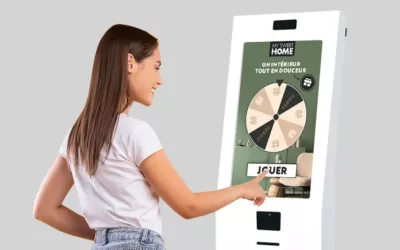
Mechanisms of Instant-win such as the Wheel of Fortune are used to distribute discount vouchers to participants. This type of event, which offers the chance to win prizes instantly, is a great way to drive traffic to your online store and boost sales.

  • Increase online purchases with a marketing game.

Brands can also integrate gamified formats, such as a pinata for example, directly on their website or app. This helps to keep visitors engaged for longer, effectively promote certain products or encourage purchase via targeted incentives.

Gamification-Pinata

Whether in-store or e-commerce, an interactive quiz will enable the brand to better understand its customers’ needs. It can then offer them more relevant products or informative content with greater added value. Interactive quizzes are also widely used to raise awareness of a brand’s offering.

The challenges of gamification

There’s no doubt that gamification marketing can help brands achieve their marketing objectives. However, there are a few points to bear in mind before you start designing an interactive campaign.

First, develop a marketing game requires creativity. Even a simple quiz requires the development of relevant questions that will keep the user’s attention right to the end. Gamified formats also require a certain amount of technical expertise, and may force the company to call on specialized tools.

Conclusion

SaaS solutions such as SaaS gamification platforms enable you to design, personalize, distribute and publicize your gamification marketing campaigns. Adictiz, for example, lets you choose from an exhaustive catalog the mechanics of your choice, according to your objectives. You can then adapt it to your brand universe and easily track the performance of your campaigns. The platform also enables you to activate the data collected directly from the tool, thanks to emailing and segmentation modules.

In just 30 minutes, we’ll show you how to launch your own high-performance interactive marketing campaign.

How to boost in-app purchases for your e-commerce brand

How to boost in-app purchases for your e-commerce brand

In-app purchases, i.e. directly from a mobile application, has become a major trend among consumers. They are 74% say they use mobile applications with the main intention of making a purchase. Mobile purchases also accounted for 44% of e-commerce revenues by 2023.

Creating your own mobile application is therefore an excellent way of differentiating yourself from your competitors and attracting an audience that buys mainly or even exclusively via a smartphone. But this new acquisition and loyalty channel means that you need to adapt the shopping journey and offer a unique experience, different from the web and retail.

In this article, we present some practical advice and inspiring examples of how to boost your in-app sales.

What is in-app purchasing (definition)

As the name suggests, in-app purchases are simply transactions carried out via an e-commerce application In the early days of mobile technology, the vast majority of these transactions were purchases of :

  • features (such as new filters for a photo editing application);
  • or consumables in a mobile video game (such as extra lives or accessories to boost your avatar’s powers).

But with the ever-increasing use of mobile shopping (smartphones and tablets), brands have started to develop their own shopping applications. In-app purchasing offers many advantages for e-commerce companies.

By encouraging consumers to download a dedicated application, they create a much closer relationship with their audience. L’application leur permet en effet d’envoyer à ses clients des SMS, des notifications push, etc.

But above all, it’s an excellent way of creating a much more immersive bubble. With a web browser, it’s much easier for customers to leave the shop, for example to compare the brand’s offer with that of competitors.

How in-app competitions can influence users’ purchasing behaviour

Whether in retail, on the web or in mobile marketing, gamification offers brands a wide range of tools for capturing the attention, engaging and retaining the loyalty of consumers. Brands that want to boost in-app purchases can use the mechanics specific to the world of games at every stage of the customer journey.

To boost app downloads and drive buyers to the app

The first challenge for brands looking to boost their in-app sales is quite simply to increase the number of downloads. This can be achieved through a number of different strategies. App-Store Optimization (or ASO), for example, involves optimizing content so that the application is promoted on the dedicated shops (Play Store, App Store, etc.).

Brands can also offer attractive benefits to their prospects or customers to encourage them to buy in app. For example, downloading the app will entitle them to a discount voucher on their first purchase, a selection of exclusive products or lower delivery charges than on the e-commerce shop.

Marketing competitions are also an excellent way of raising awareness of your application and encourage its audience to download it. A winning instant (such as a Wheel of fortune for example) can enable the brand to encourage its customers to make their first in-app purchase. The prize will take the form of a voucher that can only be used on the app.

in-app marketing game

Building customer loyalty in app

Once the application has been downloaded, the next step is to encourage users to make their first in-app order. As we’ve seen, offering a discount after each new download, which can only be used on the first mobile purchase, is already a good conversion driver.

But the brand can also target other relevant triggers to convince users when they are about to buy. These might include the first product selected or a shopping basket abandonment (the customer leaves the application without purchasing the items they have selected).

For each of these pre-determined actions, the company can automatically send an in-app message or SMS that redirects to a marketing game encouraging the customer to validate their order in exchange for benefits (discount, access to the VIP club, etc.)

Playable marketing is also proving highly effective in retaining new in-app buyers. It allows a game to be shared directly in the application’s purchase path, without any redirection. This is a crucial factor in boosting brand sales. In fact, a study shows that mobile users make 37% more purchases than other customers (e-commerce and retail).

Competitions with a purchase obligation or reserved for loyalty programme members are a good way of encouraging repeat orders. By activating the reward circuit, gamification mechanisms make shoppers want to continue consuming in order to reap new and ever more attractive benefits.

Tips and examples for boosting in-app purchases through gamification

We have just seen that playable marketing is an effective strategy for increasing sales. To achieve its commercial objectives, the brand can draw on the best practices of companies that have succeeded in optimise their mobile marketing.

Using transactional data to personalise the in-app shopping experience

As with any sales channel, personalisation is now a key driver of conversion and loyalty for brands. They need to adapt their purchasing path from the behavioural and transactional data they have on their customers. With this information, they can make more targeted recommendations, present more relevant content, and so on.

Supermarket giant Lidl has understood this perfectly well, and has integrated it into its in-app purchase strategy. The Lidl Plus application enables the company to centralise customer purchasing data. Users can find their till receipts, making it easier to monitor their budget. The brand, for its part, is boosting its in-app purchases by offering discount coupons based on the consumption habits of each customer.

Lidl is going a step further by using this customer data to personalise the gaming experience. Based on in-store purchases, users can access tailored games and rewards. As a result, the application has over 5 million active users and records millions of games played every week.

Example-purchase-in-app

Offer games with an obligation to buy or accessible based on a volume of points

As we saw a moment ago, Playable marketing is a good way of building customer loyalty, whatever the channel used. Within an application and with the aim of increasing its re-purchase rate, the brand can simply make its interactive experiences accessible only to customers who have have already made an in-app purchase or have accumulated a certain number of loyalty points.

This is the strategy adopted by Coca Cola for its mobile application. To be eligible for attractive prizes (such as tickets to a football match), mobile customers must have accumulated 100 loyalty points.

The same goes for Fuzz Tea, which launched a competition with an obligation to buy. To take part, the brand’s customers had to enter the code shown on their receipt.

Conclusion

Gamification is an effective way of influencing consumer behaviour in a fun and subtle way. Your brand can use this lever to boost the number of downloads of its application and its volume of in-app sales. Find out how Adictiz can help you gamify your in-app journey.

In just 30 minutes, we’ll show you how to launch your own high-performance interactive marketing campaign.