


Marketing consent is no longer just a checkbox. It has become a strategic issue, closely monitored by the authorities and which can be very costly for companies. In France, the largest fine reached 50 millions euros.
This context is driving brands to rethink how they collect user consent without compromising their commercial performance.
The solution: turning this step into a positive experience.
To do this, you can:
- Optimize data collection forms,
- Promote the value of opt-in sharing,
- Reassure users
- Gamify consent
In this article, we share best practices and an inspiring campaign example to combine GDPR compliance with results.
SUMMARY
- What is marketing consent: a legal definition
- 5 common mistakes that invalidate consent
- How to optimize marketing consent without compromising conversion?
- Gamification as a driver for obtaining marketing consent
- Marketing consent FAQs
What is marketing consent: a legal definition
Marketing consent is the explicit agreement given by a user to receive marketing communications. It is an essential requirement for collecting, processing and using their personal data.
According to the GDPR, consent must be:
- freely given,
- specific,
- informed
- and unambiguous.
In practice, it must be a clear positive action, such as ticking a box or clicking a button, rather than presumed consent.
In digital marketing, consent often takes the form of collecting opt-ins for emailing or notifications. The double opt-in is a recommended practice: after an initial click, the user confirms their agreement by clicking a link shared with them via a validation email.
This method strengthens GDPR compliance and improves the quality of mailing lists. Adhering to these principles thus enables brands to collect data legally while building a relationship of trust with their audiences.
5 common mistakes that invalidate consent
Certain practices, which are still all too common, can render consent unusable and jeopardize the marketing performance of brands. Here are the most frequent ones:
- Making an offer or entry into a marketing game conditional on opting in: consent must remain freely given.
- Using pre-ticked boxes in marketing forms: agreement must result from a clear action by the user.
- Drafting vague or overly technical notices: the message must be immediately understandable and avoid confusion.
- Grouping multiple purposes into a single request: each data use requires separate consent.
- Omitting a clear withdrawal option: the user must be able to unsubscribe easily at any time.
These errors can lead to the loss of the entire collected database (which would indeed be considered non-compliant with the GDPR), damage customer trust, and expose the brand to heavy sanctions (up to 20M€ or 4% of global turnover). They can also trigger restrictions on advertising platforms like Meta or Google: limitation of the campaign reach or suspension of advertiser accounts.
How to optimize marketing consent without compromising conversion?
Obtaining marketing consent does not imply sacrificing the smoothness of the customer journey. A well-thought-out approach allows you to collect opt-ins while preserving, or even improving, the user experience.
1. Designing a clear and progressive opt-in collection form
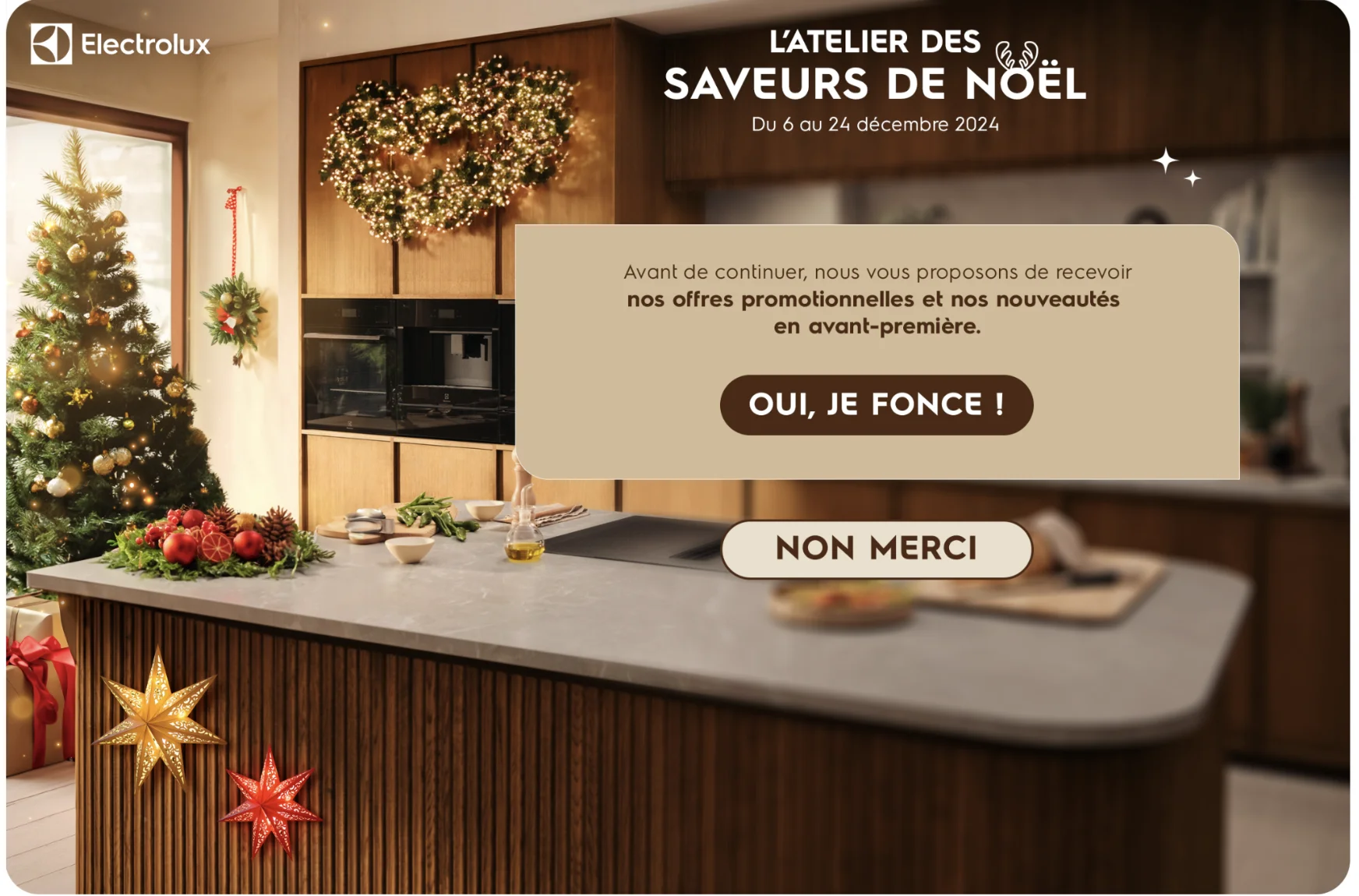
The idea here is to limit mandatory fields and integrate the consent request at a moment that is relevant for the user. In a gamified campaign, the opt-in request can be integrated into a specific screen, called push opt-in, which appears right after the participant has finished playing. This timing is strategic: the user is still emotionally engaged by the game and more receptive to a clear message. This screen, which is visually distinct, explains the benefits of signing up (receiving offers, participating in other games, accessing perks) and provides a checkbox to give consent. Placed at this specific moment, it captures attention more effectively and improves consent rates.
2. Providing value for the opt-in sharing
Offering a prize or an exclusive benefit can encourage users to click. To remain GDPR compliant, the prize must be accessible even without marketing consent, to prevent the collection of marketing consent from being considered forced.
3. Reassuring the user who has just given their consent
Brands can use visual reassurance elements (such as security logos or pictograms). Once the opt-in is collected, they can specify how the data will be used and clearly explain to the user how they can unsubscribe if they wish. This effort towards transparency strengthens audience engagement and effectively limits the opt-out rate.
Gamification as a lever for obtaining marketing consent
Gamified marketing improves both the user experience and the consent collection rate. By creating a playful and immersive moment, the game captures attention from the very first seconds and extends the interaction with the brand. The user receives value (an entertaining experience, a clear and attractive reward, and even a sense of achievement in the case of a challenge) before being asked for their opt-in.
In this positive context, which establishes a win-win relationship between the user and the company, agreement is perceived as a natural continuation of the experience rather than an administrative constraint.
To maximize the campaign’s effectiveness, the marketing game must:
- Ensure the traceability of consent (timestamp, proof of agreement)
- Automatically synchronize the collected data (including marketing consent) with a CRM to facilitate the tracking of each lead;
- Offer attractive benefits in exchange for the opt-in while remaining GDPR compliant.
With LeadSense, brands can automatically synchronize the consent collected through interactive games with their CRM. This allows them to secure their opt-ins and adapt their marketing campaigns in real time.
Example of an effective consent strategy
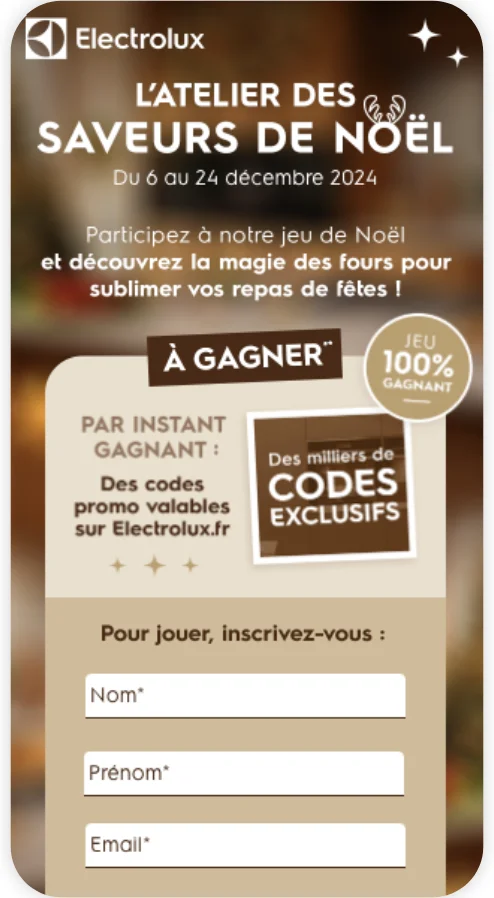
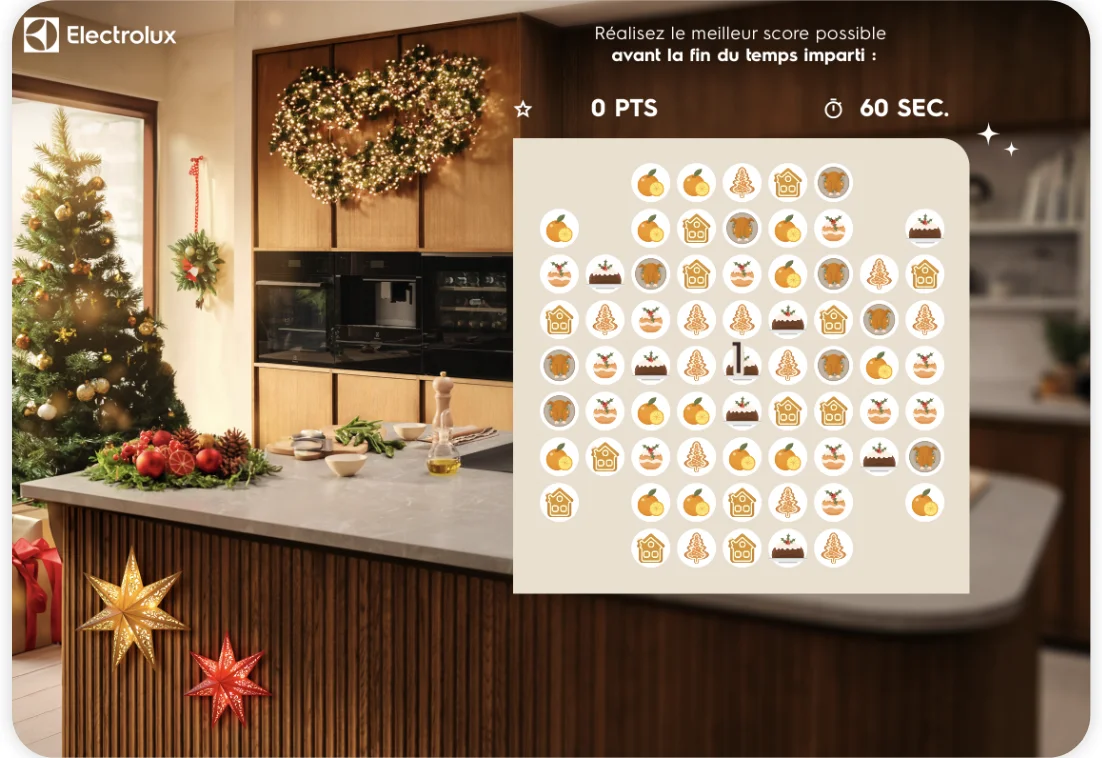
For its Christmas campaign, Electrolux opted for a Match 3 game immersive, designed to generate both engagement and qualified leads. On average, participants played more than two games, thereby extending their interaction time with the brand.
A dedicated push opt-in screen appeared right after the gameplay phase, at a moment of maximum satisfaction and attention. Attractive prizes (appliances, promo codes) also helped strengthen the appeal of the setup and facilitate the collection of their marketing consent.
Results: a 54% opt-in rate and 17,300 new subscribers to the brand’s mailing list.
Marketing consent FAQs
Can you do marketing without consent?
In marketing, sending commercial communications without explicit consent is prohibited by the GDPR, except in a few exceptions (pre-existing customer relationship and similar offers, for example). Without valid marketing consent, campaigns expose the company to financial penalties and a risk to its image.
How to collect compliant marketing consent?
Compliant marketing consent must be free, specific, informed, and given through a clear positive act. The form must state the purpose of the collection and allow the user to choose whether or not to accept, without any pre-ticked boxes. Timestamping and maintaining proof of consent are essential to comply with the GDPR.
How to formulate an effective consent request?
The marketing consent request must be short, precise, and easy to understand. Clearly mentioning what the user will receive (the type of content and the frequency of sending) increases the opt-in rate. A transparent and reassuring tone combined with a clear visual encourages engagement.
What is the difference between opt-in, double opt-in, and freely given consent?
Opt-in refers to the agreement given by the user to receive marketing communications. Double opt-in adds a confirmation step (via email), ensuring more secure and traceable marketing consent. Freely given consent implies the absence of any coercion or condition linked to a benefit to obtain the agreement.
Which tools to manage marketing consent?
A marketing consent management tool (CMP) centralizes, tracks, and updates user choices. It must allow for CRM synchronization and give users the ability to modify or withdraw their consent at any time. Some tools also include segmentation features to optimize campaigns while remaining GDPR-compliant.
Marketing consent, while it may seem restrictive for brands, is also a real strategic opportunity. By optimizing your opt-in collection strategy, you not only boost your marketing performance while ensuring GDPR compliance, but you also strengthen the relationship of trust with your audiences. Thanks to our gamified mechanics, you can effectively boost your opt-in rate, collect additional first-party data, and thus better activate your leads!