
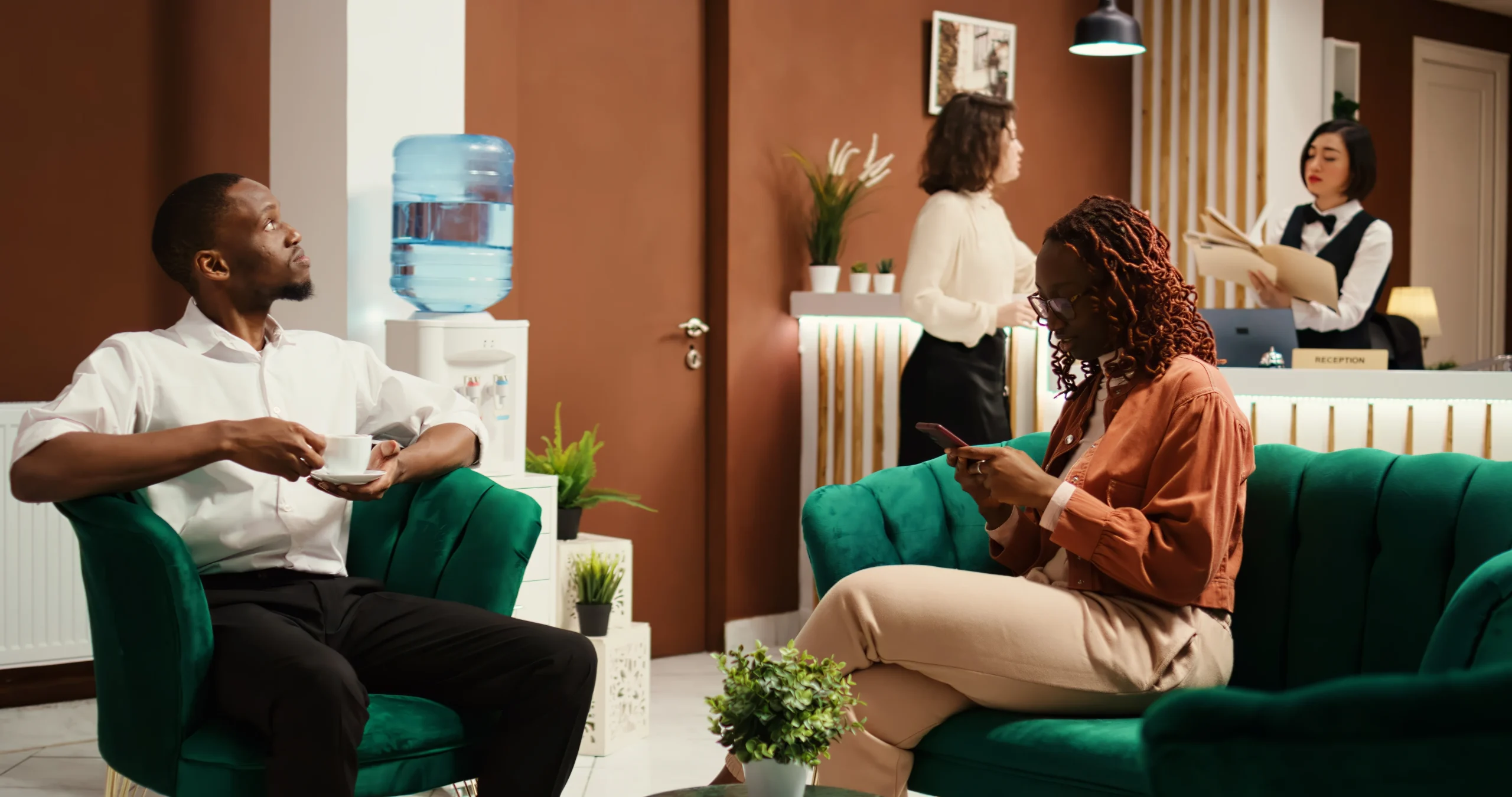
The hotel industry has been transformed. Travelers no longer settle for just a comfortable room: they want immersion, local culture, and unique memories. This shift, accelerated post-pandemic, is forcing establishments to rethink how they attract and retain guests. Gamification addresses this challenge by turning every interaction into an engaging experience.
Why it works:
- Gaming captures attention and encourages brand interaction
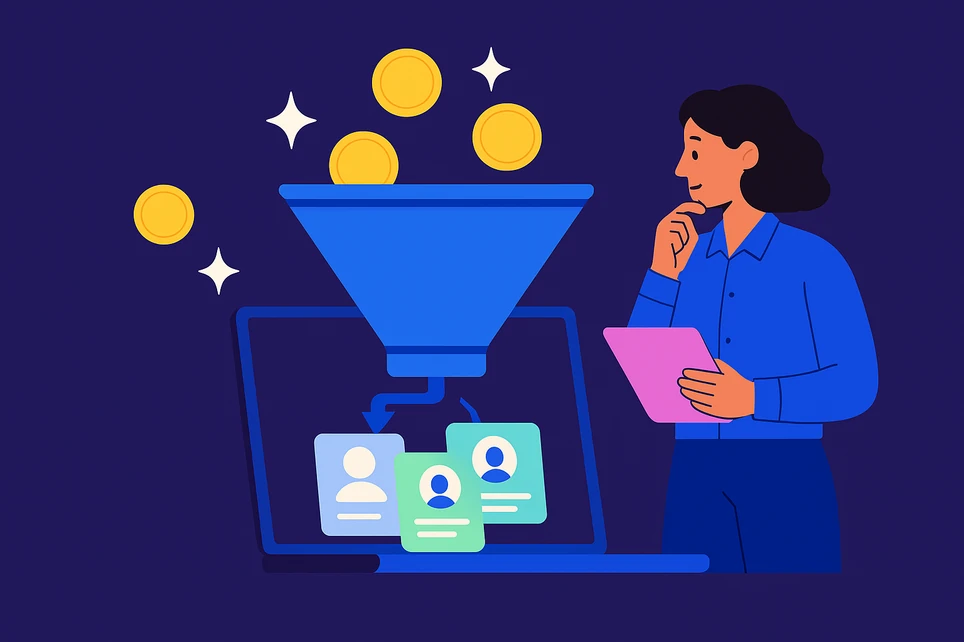
- It also facilitates data collection to personalize offers.
- Interactivity and rewards strengthen the emotional bond with the brand.
In this article, we present best practices and concrete examples to turn gamification into a driver for conversion and loyalty in the hotel industry.
SUMMARY
- Hotel marketing challenges: balancing conversion and loyalty
- Gamification to boost hotel marketing: best practices and campaign examples
- Optimizing gamified campaigns to boost performance
- Frequently asked questions about hotel marketing
Hotel marketing challenges: balancing conversion and loyalty
Competition in the hotel industry is more intense than ever. Every establishment must find its unique edge to stand out in a saturated market. Hotel marketing highlights distinctive assets to attract new guests and drive repeat bookings.
According to Grand View Research, the global hotels, resorts, and cruise lines market was valued at USD 803.4 billion last year. This trend is expected to grow at an annual rate of 18.8% through 2030. Growth that intensifies competition and demands new, more immersive and tech-driven approaches.
Online reviews and user-generated content (UGC) heavily influence traveler decisions. 82% of vacationers report consulting reviews before booking. Leveraging authentic testimonials and guest-taken visuals inspires travel while avoiding overpromising.
Loyalty remains a key challenge in tourism marketing. To encourage repeat stays, hotels can highlight specific benefits, such as seasonal offers, varied experiences depending on the time of year, or the promotion of other destinations within their network.
Gamification to boost hotel marketing: best practices and campaign examples
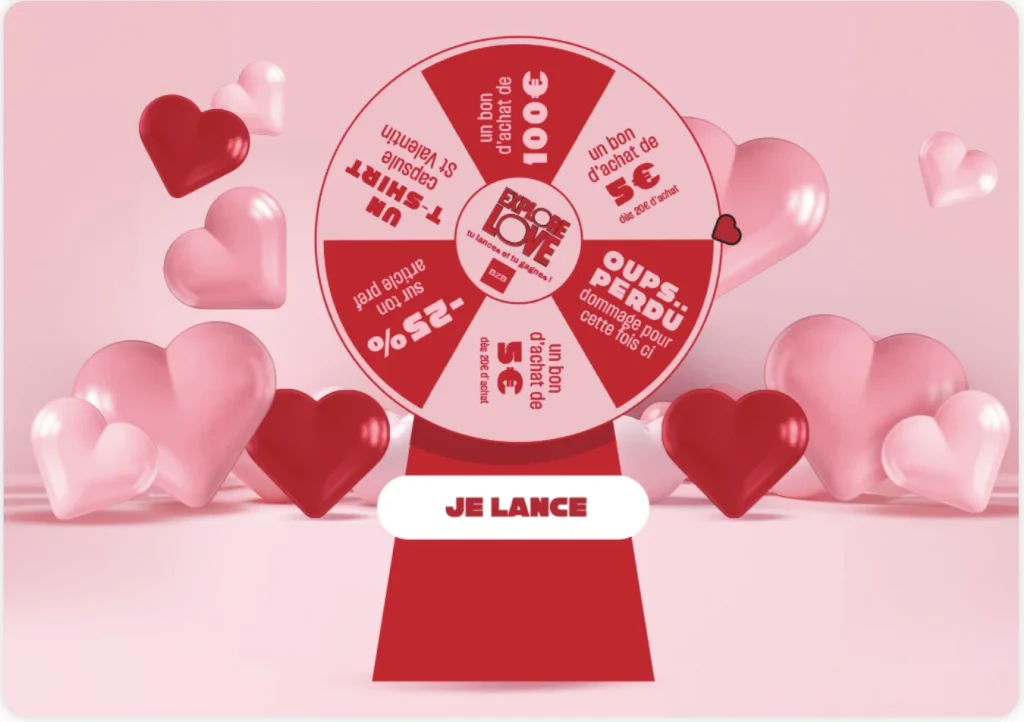
Gamification transforms hotel communication into a living experience. By integrating game mechanics (challenges, Quizzes, Votes, etc.) it encourages users to actively interact with the offer rather than remaining passive spectators.
This engagement creates immersion. Players project themselves into the vacation setting, exploring offers playfully while more easily remembering brand assets. Rewards and leaderboards fuel curiosity, driving users to return to play again or share.
By maintaining this connection before, during, and after the stay, the hotel stays top-of-mind for the traveler, prolongs the travel experience, and fosters long-term loyalty.
1. Marketing games to promote and engage around hotel offers
A marketing game does more than present a destination or offer: it brings it to life. By inviting active participation, it allows users to immerse themselves in the hotel’s world and envision their stay. This interaction builds an emotional connection, extends attention span, and improves recall of offers, which boosts conversion rates.
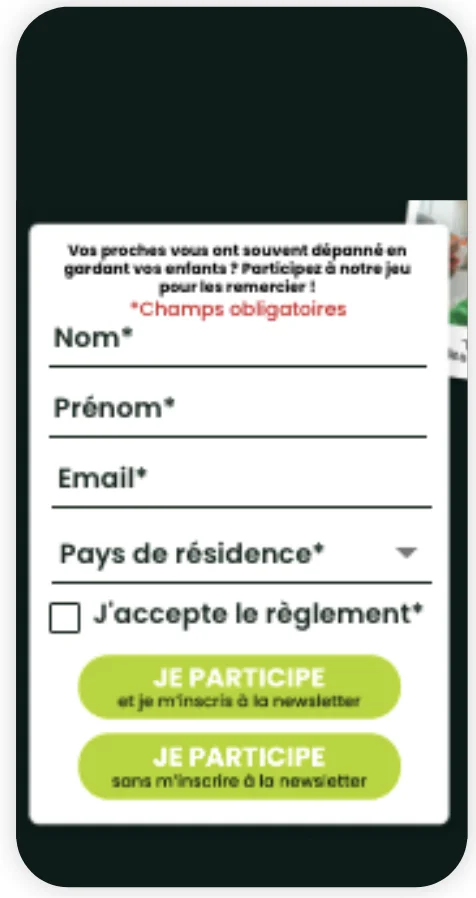
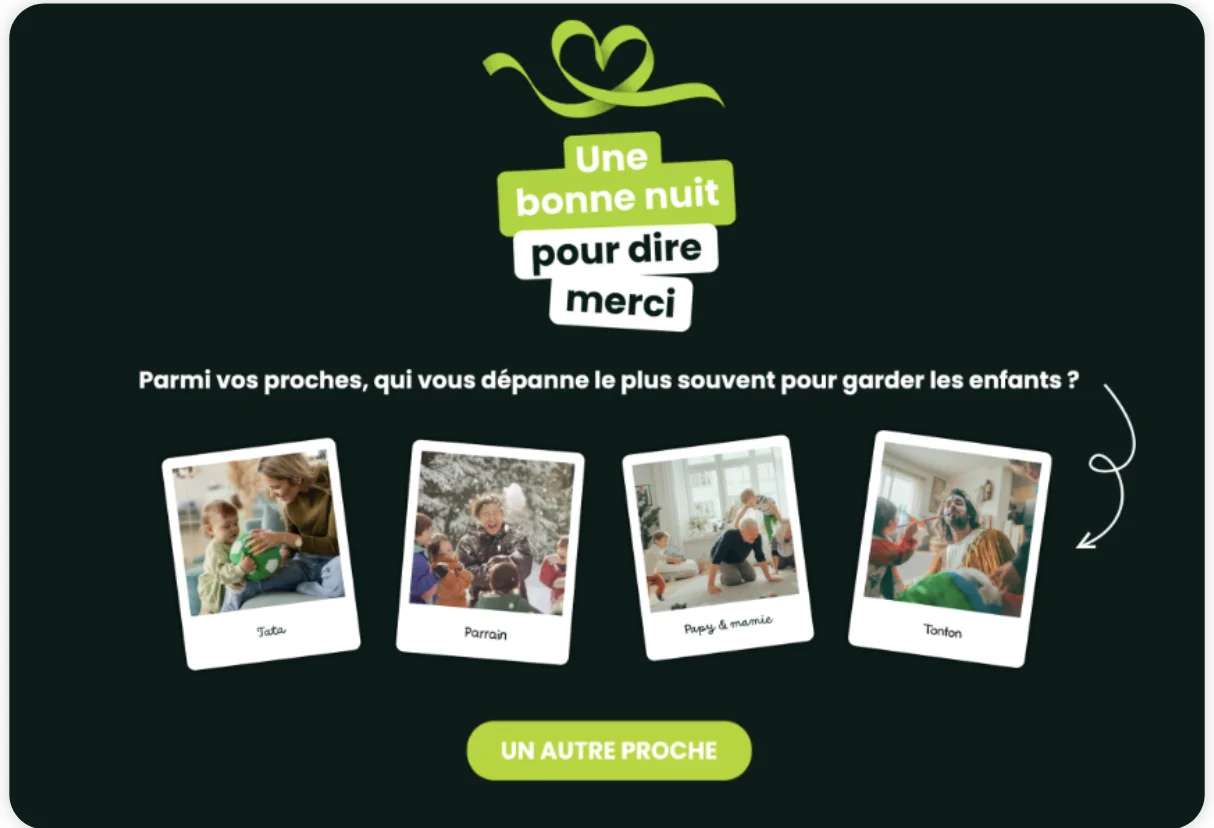
Gamified hotel marketing example: B&B Hotels created a Trivia game centered on emotion and sharing. Users were invited to vote for the person in their circle who most often babysat their children. The prizes included stays to be won, encouraging both participation and word-of-mouth for the brand. The campaign attracted 21,400 participants, with 9,000 opting into the database. It generated nearly 20,000 votes and 1,500 direct clicks to the B&B Hotels website.
2. Gamification marketing to drive loyalty programs and boost retention in the hotel industry
In the hotel industry, loyalty goes beyond sharing a satisfaction survey upon guest departure. Gamification allows for extending the relationship after the stay. It also revitalizes loyalty programs and ensures the brand remains top-of-mind when planning the next trip. By fostering regular interaction, it strengthens long-term engagement, encourages referrals, and increases conversion opportunities.
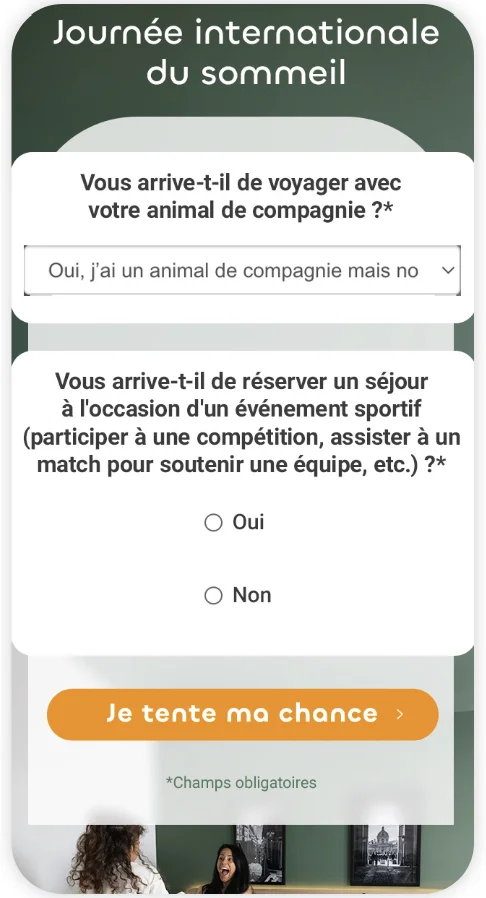
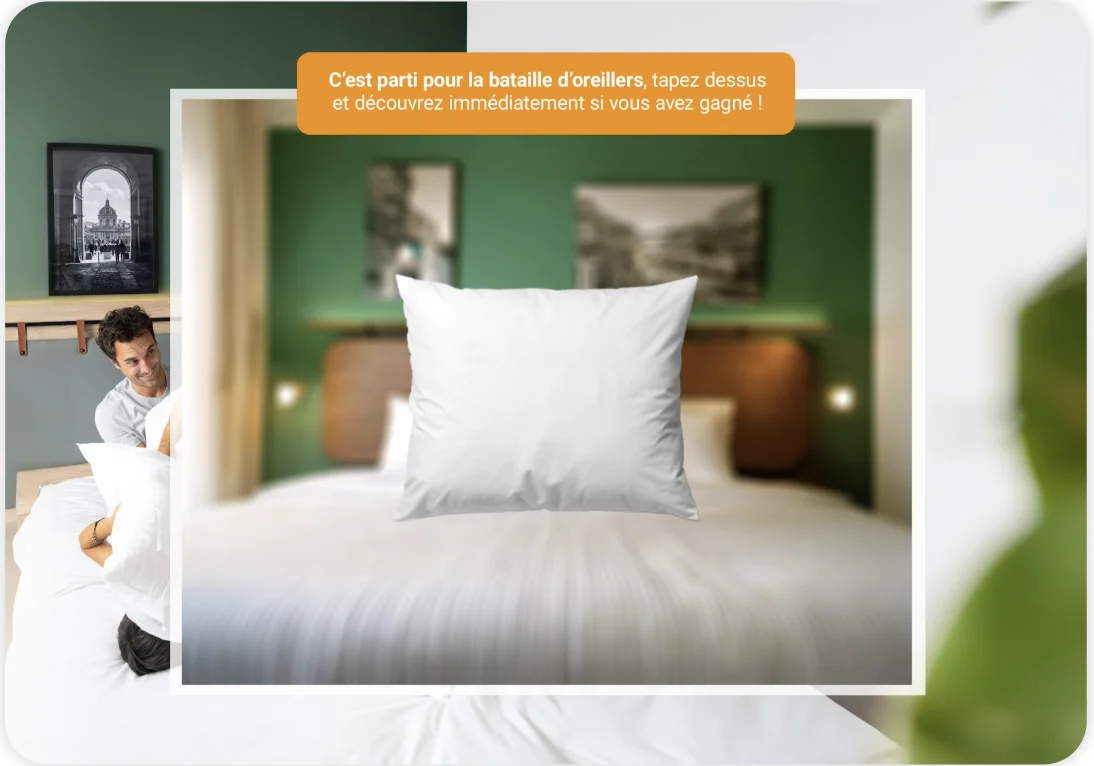
Gamified hotel marketing example: for International Sleep Day, the Louvre Hotels Group designed a campaign combining a Quiz and a Pinata interactive. The quiz provided insights into the audience’s sleep habits. Then, the player moved on to an Instant Win game to win a mattress. At the end of the experience, participants discovered the loyalty programs for the Première Classe, Kyriad, and Campanile brands, with a clear call to action to sign up. The campaign gathered 10,500 registrants, who played an average of three times each, and generated 600 clicks to the dedicated program pages.
Optimizing gamified campaigns to boost performance
A successful gamified campaign relies on meticulous design and well-planned distribution. The messaging must be clear, the mechanics fluid, and the rewards tailored to the audience’s expectations. Promotion should combine multiple channels to reach as many participants as possible: email, social media, the website, and on-site signage.
Several KPIs allow for measuring the effectiveness of a gamified campaign:
- participation rate,
- opt-in rate,
- average time spent on the game,
- clicks to offers,
- post-game conversion rate.
If any of these indicators are low, quick (and real-time) adjustments are possible. A low opt-in rate can be corrected by clarifying the added value of signing up. An insufficient click-through rate suggests integrating a more visible call-to-action.
Post-campaign analysis is just as important. It makes it possible to identify the most effective mechanics and capitalize on these insights to improve future operations. The data collected through the game will enrich the CRM, allow for better audience segmentation, and help personalize future communications.
Frequently asked questions about hotel marketing
How to promote a hotel?
To promote a hotel, it is essential to combine online visibility with local partnerships. Digital hotel marketing (social media campaigns, local SEO, and influencer marketing) allows for reaching a targeted audience. Hosting events, participating in travel trade shows, and sharing exclusive offers strengthen brand awareness and attract new guests.
How to build hotel guest loyalty?
Guest loyalty in the hotel industry relies on an attractive loyalty program, personalized rewards, and post-stay follow-up. Gamified campaigns can revitalize the program and encourage repeat visits by keeping the brand top-of-mind for guests.
How to collect guest emails in a hotel?
A hotel can collect emails via online bookings, newsletter sign-ups, and on-site digital activities. Online, gamification, such as contests or interactive quizzes, also facilitates the collection of opt-ins.
How to improve the guest experience in a hotel through digital technology?
Digital technology makes it possible to streamline and enrich the hotel guest experience at every stage of their stay. Vacation planning via mobile apps, online check-in/check-out, and personalized recommendations improve comfort and, therefore, traveler satisfaction.
What are the levers for filling a hotel during the off-season?
Filling a hotel during the off-season requires targeting new customer segments and creating specific reasons to stay. Hotel marketing can rely on segmented offers (long-term remote work, wellness getaways, gastronomic stays) and on partnerships with local players to provide exclusive experiences.
How to integrate gamification without damaging a high-end brand image?
In high-end hospitality, gamification must remain subtle and aligned with the brand’s universe. Prioritizing simple mechanics, polished visuals, and premium rewards helps preserve the brand’s positioning. The goal is to provide interactivity while reinforcing the exclusivity of the guest experience.
Hotel marketing is reinventing itself with gamification! Games allow you to better capture and engage your audiences, while also building loyalty among travelers after their stay and encouraging them to return! To create high-performing campaigns, the challenge is to offer immersive experiences that are aligned with your objectives and your target audience’s expectations. Discover our gaming mechanics and boost your conversion and retention rates!